


Discover the four villages that made it onto the acclaimed Most Beautiful Villages in Spain list for 2026.
Every year the Association of the Most Beautiful Villages in Spain chooses several places to add to its prestigious list. For 2026, only four villages made the cut.
Francisco Mestre, president of the association, explained: “Of all the applications submitted this year, only four municipalities successfully passed the rigorous auditing process. This demonstrates that in our network, quality takes precedence over quantity, because each new member must fully comply with the values and standards that define us.”
The villages that were chosen stand out for their rich heritage, their authenticity and commitment to the preservation of their historical legacy.
The association was created to showcase villages unique for their beauty, heritage, and cultural identity. The Spanish initiative is part of an international movement which can also be found in France, Italy, Switzerland, Belgium, and Japan, among other countries.
Oseira, Galicia
Oseira is a small village located in central Galicia, around 40km north of Ourense. It’s mostly known for being home to the Monastery of Santa María, one of the most important Cistercian sites in Spain. Built between the 12th and 16th centuries, this monumental complex was one of the main reasons the village was included in the list. Romanesque and Baroque in style, it’s famed for its impressive architecture.
The small village that surrounds the monastery sits in a tranquil mountain landscape and the association liked the fact that it combined both spirituality and natural beauty.
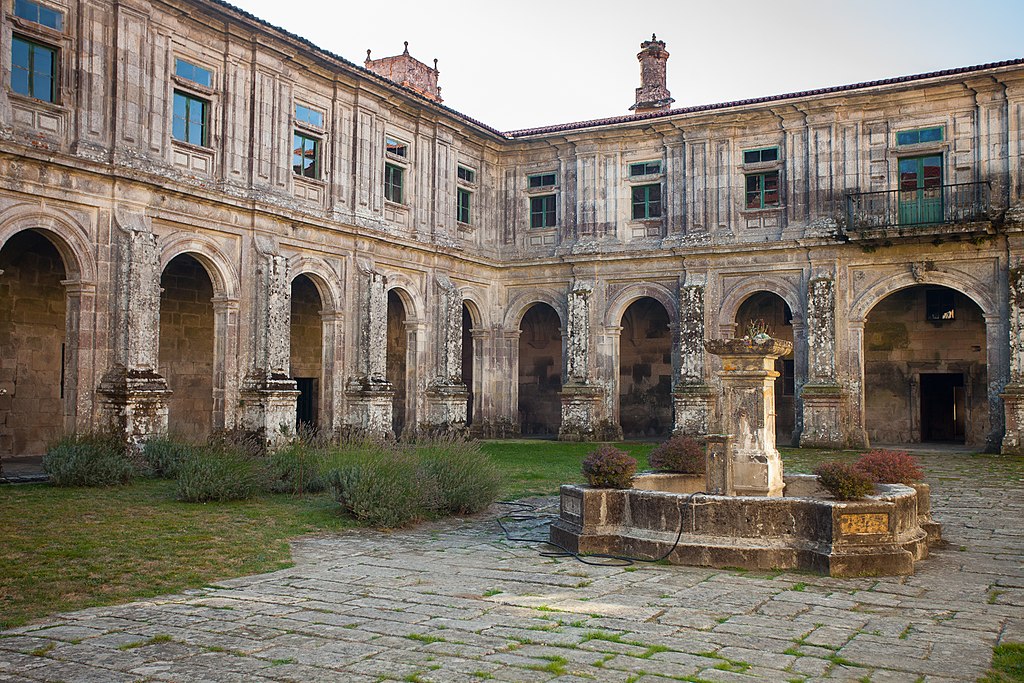
The Monasterio de Oseira in Galicia is one of the reasons it was named on the list of Most Beautiful Villages in Spain. Photo: Luis Miguel Bugallo Sánchez (Lmbuga) / Wikimedia Commons
Alpuente, Valencia
Located in the mountainous areas of inland Valencia, Alpuente lies around 98km northwest of Valencia city. It’s the first Valencian place to join the network of beautiful villages and was chosen for its extraordinary historical legacy, which include its old walled Moorish castle, located atop a hill overlooking the deep ravine of the Reguero River, 958 metres above sea level. It’s tangle of streets form a cute medieval layout and it also has an impressive 17th century aqueduct, spanning 265 metres long, which was essential for bringing water to the area.
Advertisement
Add in some ancient dinosaur footprints found in the surrounding area, and a paleontological museum, it’s not hard to see why this place is worth a visit. “Alpuente offers a unique balance between nature, heritage, and rural identity,” the association explain.
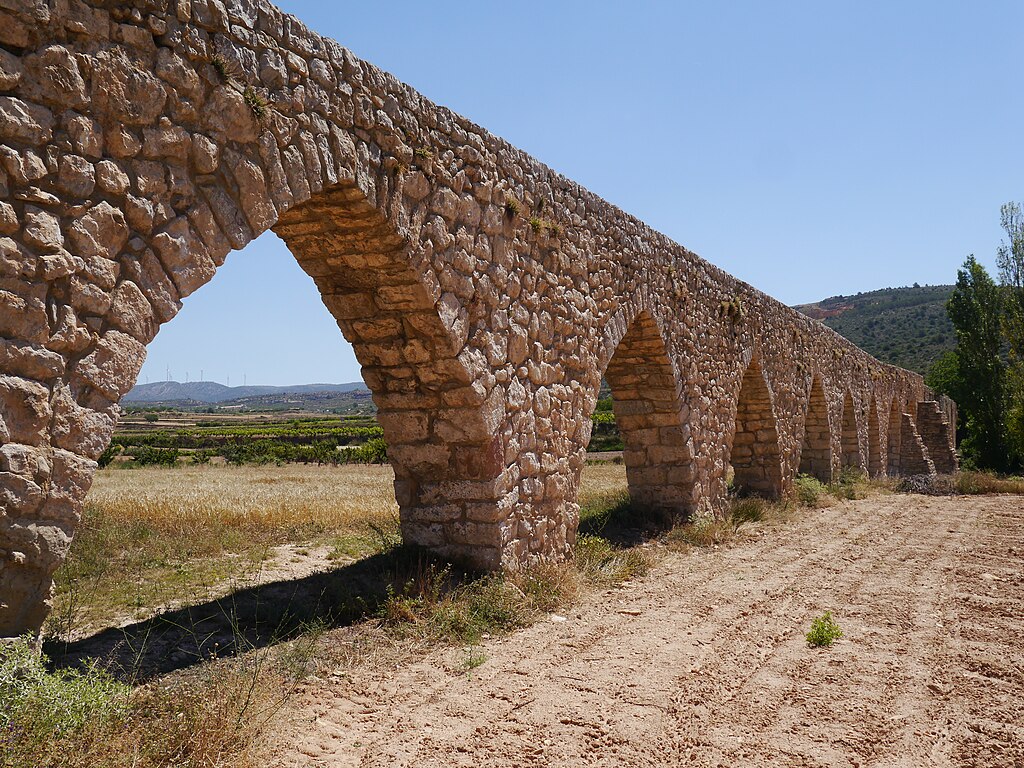
Alpuente is home to an impressive aqueduct. Photo: José María Villagrasa Sebastián / Wikimedia Commons
Santa Gadea del Cid, Castilla y León
Santa Gadea del Cid is located within the province of Burgos, right next to the border with the Basque Country. In fact it’s located closer to Vitoria-Gasteiz, than it is to Burgos, making it a unique place with a mix of cultures. The village was chosen this year for its remarkably well-preserved medieval centre.
One of its main sites is its imposing 14th-century fortified church of Santa María, which overlooks the village. “Old walls and houses adorned with coats of arms, make this a place of significant heritage value,” the association stated.
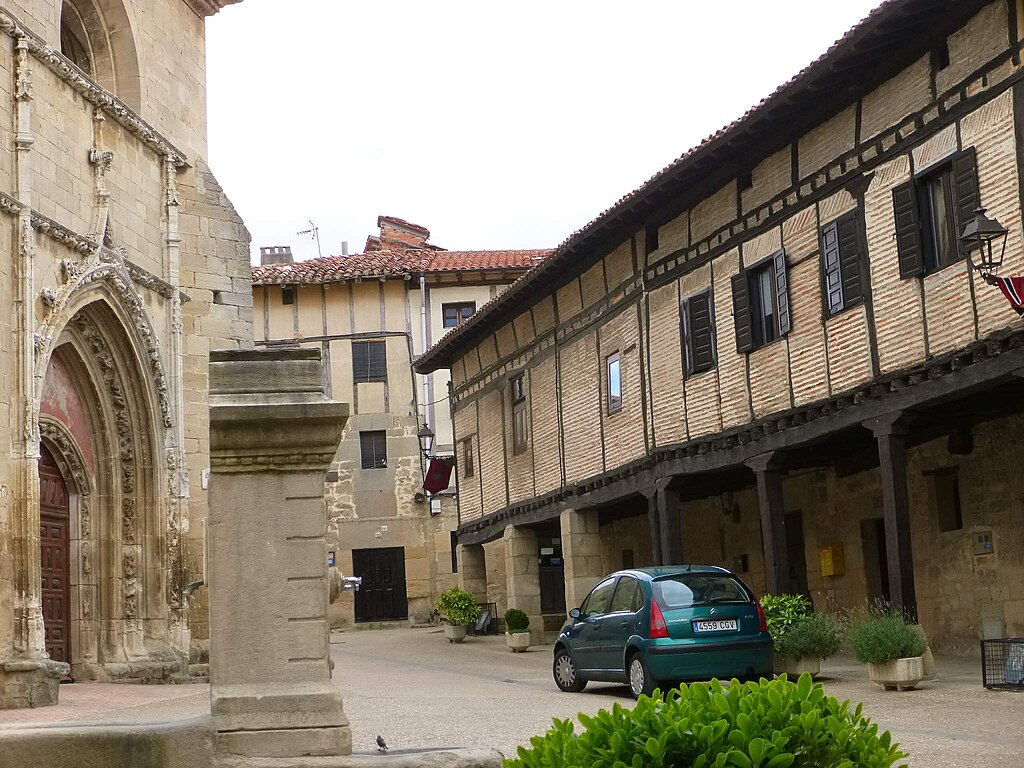
Santa Gadea del Cid is home to a 14th-century fortified church. Photo: Zarateman / Wikimedia Commons
Vilanova dos Infantes, Galicia
The second Galician village on the list this year, Vilanova dos Infantes lies just south of the city of Ourense and just under an hour drive from the Portuguese border. It’s one of the smallest places on the list this year, but more than makes up for it in terms of its historic heritage. It retains its distinctly medieval feel with cobbled streets, stone houses, pretty plazas and traditional festivals.
One of its stand out features is the Torre da Homenaxe, the keep of an old 12th century fortresses that once stood there. Another important building is the Romanesque Church of San Salvador, built on the foundation of a Mozarabic chapel. It also features several hórreos or ancient Galicia granaries.
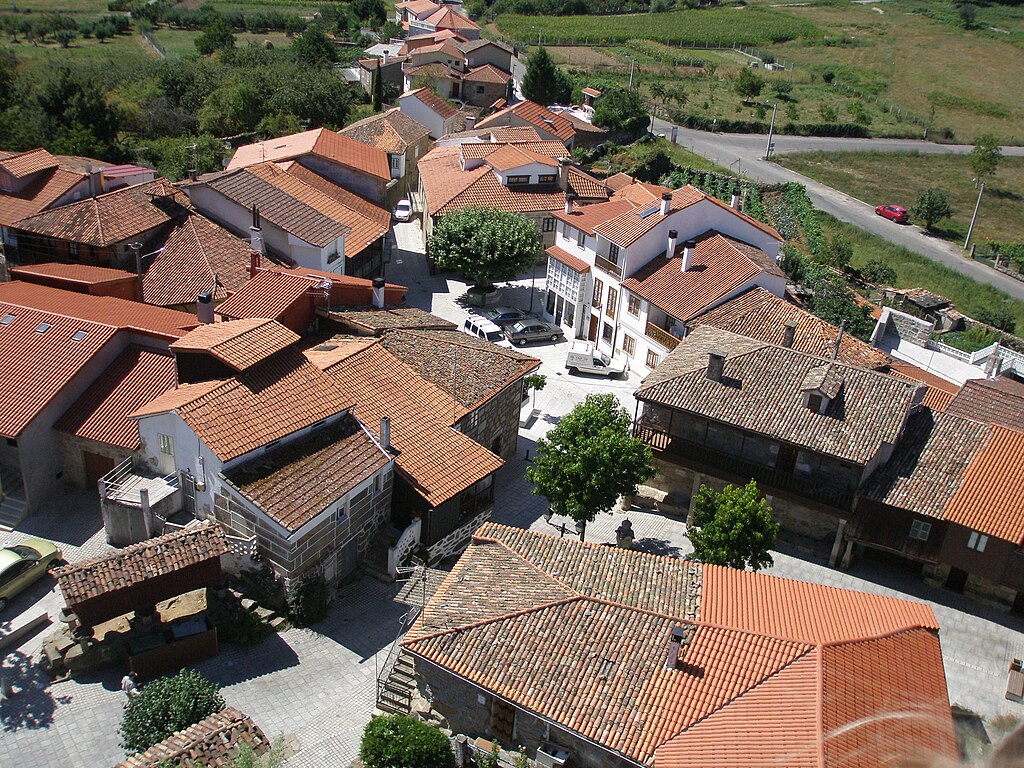
Vilanova dos Infantes features is the remains of an old 12th century fortress. Photo: Javier Habladorcito / Wikimedia Commons

