


Even people who don’t speak Spanish know that ‘loco’ means crazy, but there are plenty of other amusing ways to describe madness in Spain.
Loco/a is the Spanish adjective for mad or crazy, in the sense of someone who is insane or mentally unstable.
It can also be used as a noun to name a mad person, un loco or una loca.
Advertisement
If you want to say that someone has gone mad, you say se ha vuelto loco/a.
English has a wide array of expressions and words to describe craziness, and as we’re about to see, Spanish is no different.
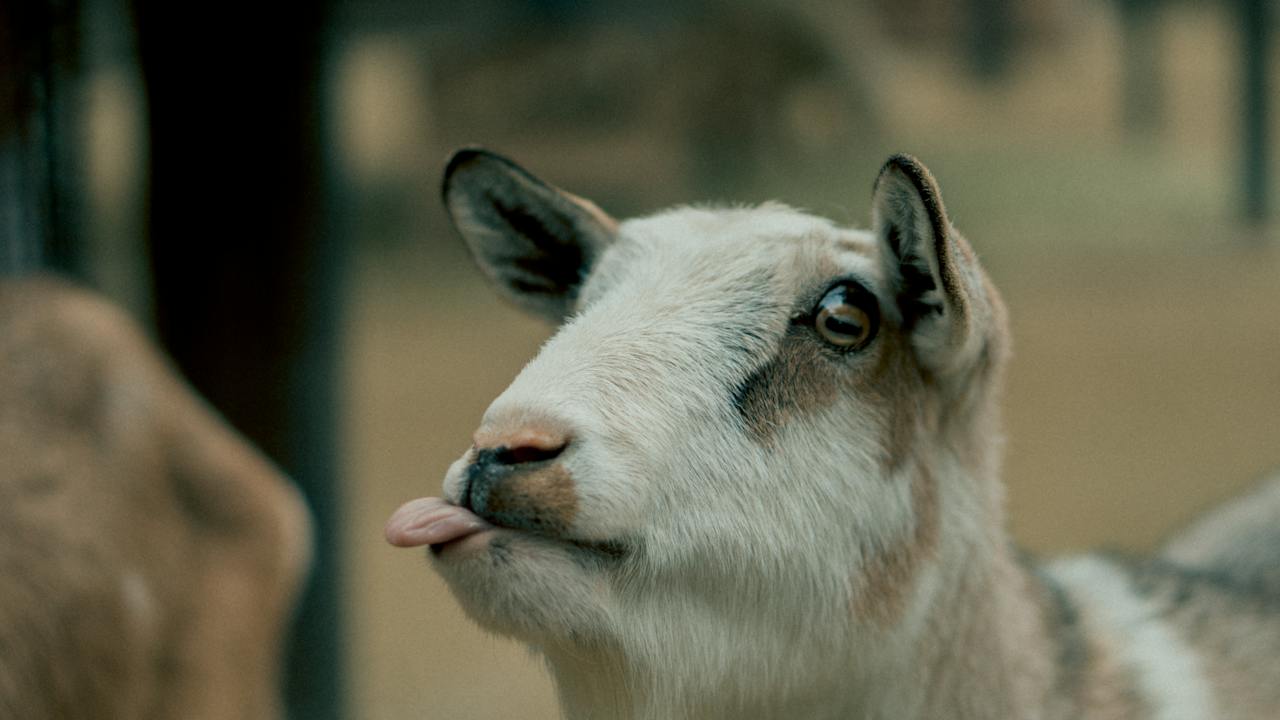
Estar como una cabra – ‘To be like a goat’
Example:
Este tío está como una cabra.
This guy is barking mad.
Estar como una regadera – ‘To be like a watering can’
Example:
¡Madre mía! ¡Estás como una regadera!
Oh my! You’re bananas!
Estar mal de la olla – ‘To not be well of the pot’
Example:
¿Pero qué te pasa? ¿Estás mal de la olla?
¿What’s wrong with you? Have you gone mad?
Faltarle un tornillo – ‘To lack a screw’
Example:
Le falta un tornillo, por eso vive en un árbol.
He’s got a screw loose, that’s why he lives in a tree.
Estar mal de la cabeza – ‘To not be right in the head’
Example:
Marcos está mal de la cabeza, yo que tú lo evitaría.
Marcos isn’t right in the head, if I were you I’d avoid him.
Faltarle un agua/hervor – ‘To be lacking some water/boiling’
Example:
A mi abuela le falta un hervor, es muy mayor ya.
My gran’s lost her marbles, she’s very old now.
Estar colgado/a – ‘To be hanging’
Está colgado, va por la calle desnudo.
He’s batshit crazy, he walks around naked outdoors.
Irse a alguien la pinza/la olla – ‘To lose one’s clothes peg/pot’
Example:
¡Se te ha ido la pinza! ¿Por qué has hecho eso?
You’ve gone mad! Why did you do that?
Estar chiflado/chalado
Example:
Es el típico profesor chiflado.
He’s the typical mad professor.
Estar majareta/majara
Example:
Cuidado con la chica esa, está majara.
Careful with that girl, she’s not all there.


