


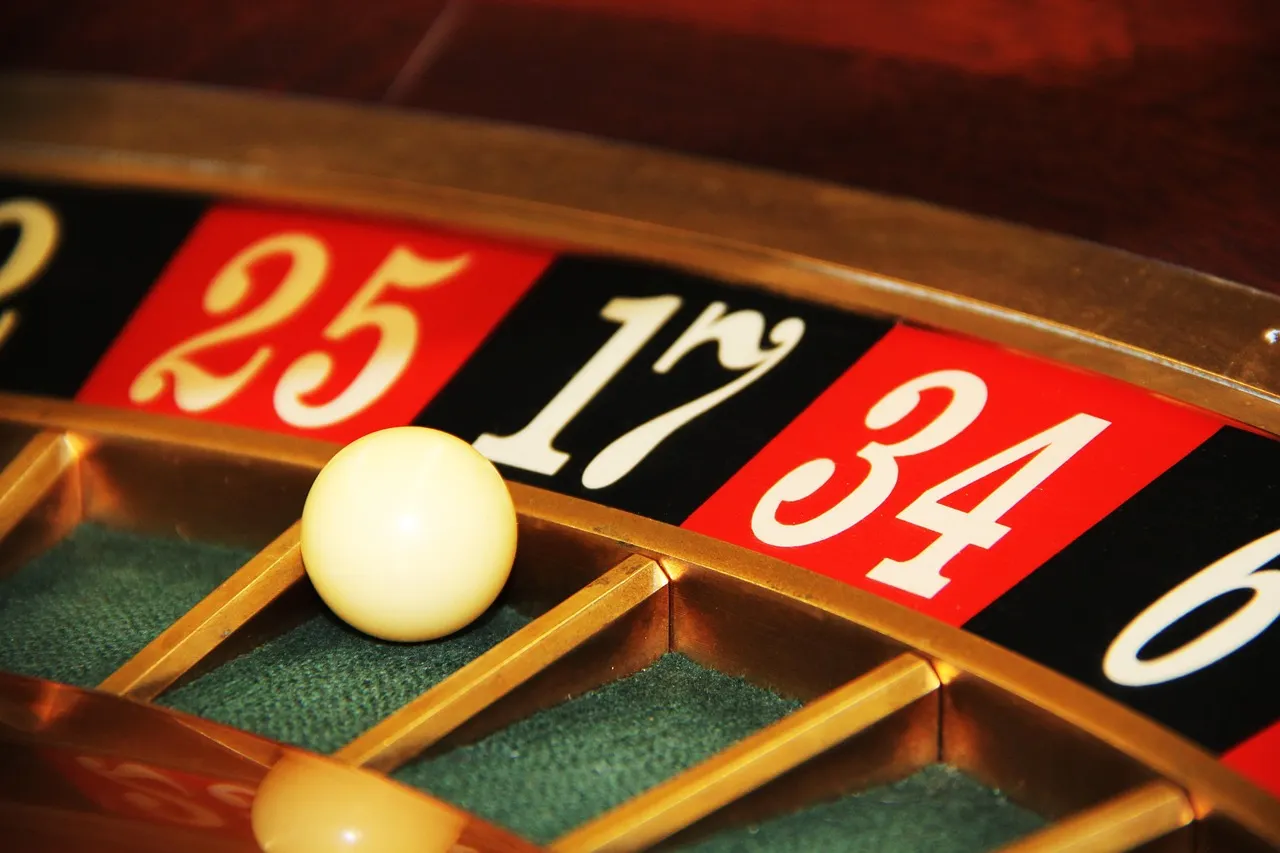
Gambling in Switzerland is not outlawed — but like everything else in the country, it is heavily regulated.
Now, you may argue that everyone gambles — not necessarily through games, but by taking risky actions in the hope of a positive outcome.
After all, life itself is a gamble.
But philosophy aside, the games of chance where money is involved are an entirely different matter.
This is where Switzerland’s legendary pragmatism steps in — especially since proceeds from officially sanctioned gambling is used for public projects of all kinds (more about this below).
What kind of gambling is allowed?
Games of chance — such as small-scale poker tournaments and sports bettings — are permitted, though they are regulated and licensed by the Swiss Gambling Supervisory Authority (GESPA), which oversees all gambling activities and their operators in Switzerland.
Its mandate is to ensure that large-scale gambling operators pay proper attention to the risks involved, such as fraud, money laundering, and addiction.
“A particular focus is on youth protection and prevention of excessive gambling,” the organisation says.
Therefore, “before granting a licence, GESPA assesses the risk potentials of the game to be licensed, using tried-and-tested methods. Depending on such assessment, appropriate protective measures may be demanded.”
This task is not always straightforward because “skill-based games are permissible as such only if winning depends entirely or largely on the player’s skill. Assessing skill-based games is much more complex and demanding than in the case of lotteries and sports betting; correct assessments at the boundary of chance and skill are essential.”
Advertisement
Are any types of gambling exempted from GESPA’s scope?
Yes, games with sales-promotion purposes such as prize competitions are not regulated by GESPA.
Neither is, at least on the surface, gambling among friends and family in a private setting.
However, as soon as a game is run ‘commercially’, that is, by an operator who aims to gain a profit, it is no longer deemed as ‘private’.
“This means that no fee whatsoever must be charged of the players over and above the actual stakes wagered,” according to GESPO.
“In addition, all stakes must go back to the players as winnings. A game is also no longer private when it is “publicly announced”, for example on flyers or the internet. Furthermore, the number of players as well as the winnings must be small.”
Advertisement
What about gambling in casinos?
This too, is … a safe bet.
The Gambling Act, which was passed in 2017 and came into effect in 2019, authorises online gambling.
It is also allowed in 21 physical casinos throughout Switzerland — including in major cities like Zurich, Basel, and Bern —11 of which offer online gambling as well.
A casino must have a licence for both types of gambling.
The Federal Gaming Board (FGB) monitors these establishments and it also levies a tax on the gross gambling revenue of each casino.
Part of these proceeds are typically donated to cantons where the casinos are located, and are also used to help finance the state pension fund.
Advertisement
Swiss-based only
In 2018, 72.9 percent of voters backed a measure by their government to block foreign betting sites, allowing only Swiss-certified casinos and gaming firms to operate in the country.
The government — and, as it turned out, Switzerland’s population as well — saw this as a necessary move to block unregulated foreign betting sites.
Also, the foreign sites couldn’t be monetised the same way as official Swiss ones can.
Then, there is possibly the most popular game — the Swiss Lotto.
There are two major lotteries: Swisslos, which operates in Swiss-German cantons as well as in Ticino.
In the French-speaking cantons, there is the Loterie Romande.
They offer various games, such as Euro Millions, Euro Dreams, Swiss Loto, Magic 3, Magic 4, Loto Express, Banco, and others.
Both also operate on the same principle — that the money they collect from players is donated to charities and public causes, including in the areas of the arts, sports, the environment, education, and and social welfare.
You can read more about it here:
READ ALSO: What you should know about the Swiss Lotto


