If you’re travelling to one of these Spanish cities or regions this year, your trip is likely to get slightly more expensive with the addition of new tourist taxes.
Tourism taxes are typically applied to overnight stays in tourist accommodation in order help offset the impact of tourism and fund public services and infrastructure.
Catalonia was the first region to introduce it in Spain in 2012 and the Balearic Islands followed in 2016 with their “eco tax”, which is essentially the same. Generally, the higher category of accommodation you stay in, the more you pay.
With more problems due to overtourism, crowding and environmental issues in Spain, more and more cities and regions are deciding to implement them. Here’s a list of which ones are doing so before the end of the year.
A Coruña
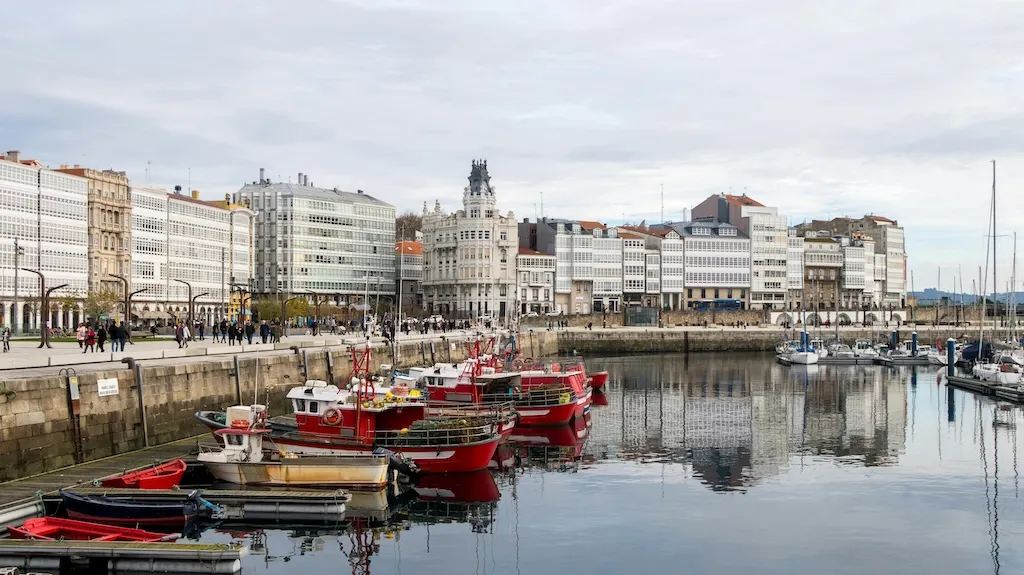
A Coruña will be the first Galician city to introduce tourist tax this year. The municipal council approved its implementation on July 31st. Rates will range from €1 to €2.25 per night per person, depending on the type of accommodation. Cruise ship passengers will be exempt from paying it until January 1st, 2026.
Santiago de Compostela
In Santiago de Compostela, accommodation establishments will begin charging tourist taxes from October 1st, with rates similar to those seen in A Coruña.
Vigo
Another Galician city to start introducing tourist taxes is Vigo, however it is still pending approval. Mayor, Abel Caballero has confirmed that Vigo will implement a tourist tax that will affect both hotel guests and those staying in tourist apartments or arriving by cruise ship. According to the regulations, the tax will be between €1 and €2.50 per person per night, with a maximum of five days.
Advertisement
Toledo
The Castilla-La Mancha city of Toledo is also preparing to introduce a tax for visitors arriving on organised bus tours only without an overnight stay. The cost will be between €1 and €1.50 per person. Like Vigo, Toledo still has to get final approval before it goes ahead, but it is thought to be at some point in 2025.
The Basque Country
The Basque Country also has plans to implement a new tourist tax, however it is expected to be fully rolled out in 2026. The proposal includes a common regional law to regulate the tax and allow for a uniform application across the region. The amount will range between €1 and €6 per night, depending on the type of accommodation.
Both Valencia and the Canary Islands were also studying the idea of tourist taxes, but have scrapped their plans for now.
Advertisement
The main purpose of these taxes to help finance conservation and cultural projects and also promote sustainable tourism practices and help combat overtourism. For this reason, they are sometimes also referred to as eco-taxes.
In 2024, there was a lot of backlash against these added fees in the foreign and national press, while tourism associations and critics are worried they will add an extra financial burden for holidaymakers and perhaps deter them from coming here.
The reality is, however, that most of the fees on the higher end of the scale affect those travelling on cruise ships or those who can already afford five-star hotels, so it’s not likely to affect these travellers that much. For those staying in accommodation on the lower end of the scale, in practice it means an extra €1 per person per night.
The general consensus from experts is that these taxes do go a long way in helping improve the local environment, tourist facilities and make trips more sustainable.
READ ALSO: Why Spain’s tourist taxes are not such a big deal
Last May, Catalan authorities decided to delay a further increase of tourist tax which would effectively double the fee for tourists in Barcelona.