

In 2026, the Swiss government will focus on some specific issues that will, in one way or another, impact its population – including foreign residents.
As in years past, Swiss political scene will continue – contrary to many other countries – to be relatively calm and civilised.
However, some hot-button issues will be particularly in focus, with their outcomes potentially re-shaping the direction that Switzerland’s economy as well as domestic and foreign policies will take in the future:
Relations with the European Union
This year’s political agenda will be marked by further discussions between Bern and Brussels about the new – and as yet unratified – package of new agreements, known as Bilateral III, which will be decisive for the future of relations between Switzerland and its European neighbours.
Before Swiss voters have their say on the package in a referendum in 2027, the Swiss and European parliaments have to vote on these agreements as well.
Though the exact date for the vote has not, so far, been set by either side, this issue will continue to dominate Switzerland’s political scene this year.
A consultation phase ended in October 2025, enabling Switzerland’s political parties, various associations, and cantons to state their positions. tThe government is fine-tuning certain points and is expected to submit a proposal to the Parliament during the spring session in March.
Given the fierce opposition to the agreements rom the populist Swiss People’s Party (SVP), which has been trying to persuade the voting public to reject further ties with the European Union, this issue will continue to be highly divisive.
READ MORE: How will Switzerland benefit from new pact with the European Union?
Advertisement
Immigration
Another controversial topic, which will remain high on Switzerland’s political agenda, is the SVP’s ’10 million’ initiative, to be voted on in a referendum on June 14th.
It seeks to drastically reduce the influx of foreigners to Switzerland, so that the country’s population doesn’t exceed the 10-million mark, which the SVP says will overburden key infrastructure, such as housing, public transport, the health system, and schools.
READ ALSO: What exactly does the Swiss ‘no to 10 million’ anti-immigration proposal aim to do?
It is certain that this issue will fuel heated debates until June 14th and gradually peter out if it is refused.
However, it could continue to be a major issue for quite some time if it is approved at the ballot box, as polls conducted to date suggest a strong voter support.
Advertisement
Digital sovereignty
A far less controversial issue on the agenda for this year is the government’s enhancement of Switzerland’s digital sovereignty and resilience, so that the country remains able of resisting and taking action in the event of a crisis.
A part of that is Switzerland’s commitment to strengthening Geneva’s international organisations in the areas of cyber resilience, data centre security. and cloud infrastructure.
Last but not least, the initial rollout of the electronic identity card (e-ID) is scheduled for the end of 2026, with further expansion of the system to continue in 2027.
READ MORE: What is Switzerland’s new ‘electronic ID’ and will you need it?
Advertisement
Protecting export-oriented economy
This goal mostly concerns finding ways of getting along with the United States, and more specifically, with its president.
The hefty, 39-percent tariffs Donald Trump initially imposed on Switzerland in April 2025 have affected many Swiss companies, with Swiss GDP falling to 0.1 percent in the second quarter of 2025, down from 0.7 percent in the same period the previous year.
The situation improved at the end of last year, when Trump lowered Swiss customs duties to 15 percent, in line with the EU tariffs.
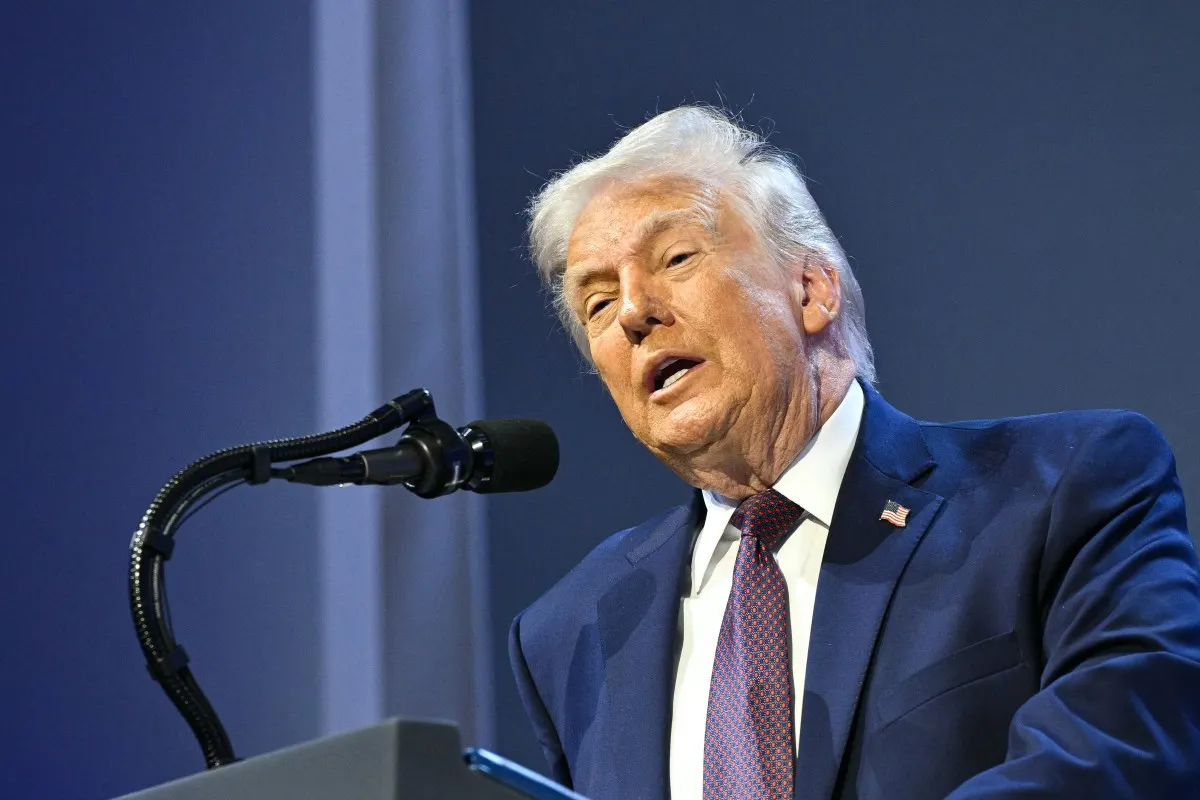
However, Trump’s recent admission that he had slapped 39-percent tariffs on Switzerland because he didn’t like the then Swiss president Karin Keller-Sutter, raised concerns about what actions he could decide to take in the future.
This is even more concerning as he conceded in a recent TV interview that “Switzerland is ripping off the United States.”
So one of the main challenges for Switzerland in 2026 is to stay – through lucrative trade deals and its famous diplomatic skills – on Trump’s good side.


