


From July 1st, 2025, foods sold in Swiss stores or served in restaurants will have to be labeled accordingly if animals suffered in the production process.
When purchasing animal-based foods such as meat, milk, or eggs, consumers will have additional information on the production methods, the Federal Council announced.
“This will allow them to know whether these foods were produced using painful practices” — that is, without the animals being anaesthetised — the government said.
The law will apply to imported products.
“While this production method has been banned for over 40 years in Switzerland, it remains permitted abroad,” the government pointed out.
“By imposing these mandatory declarations, the Federal Council is increasing transparency for consumers, allowing them to make informed purchases.”
Which practices will fall under the new law?
The following foods will have to be labeled from July 1st:
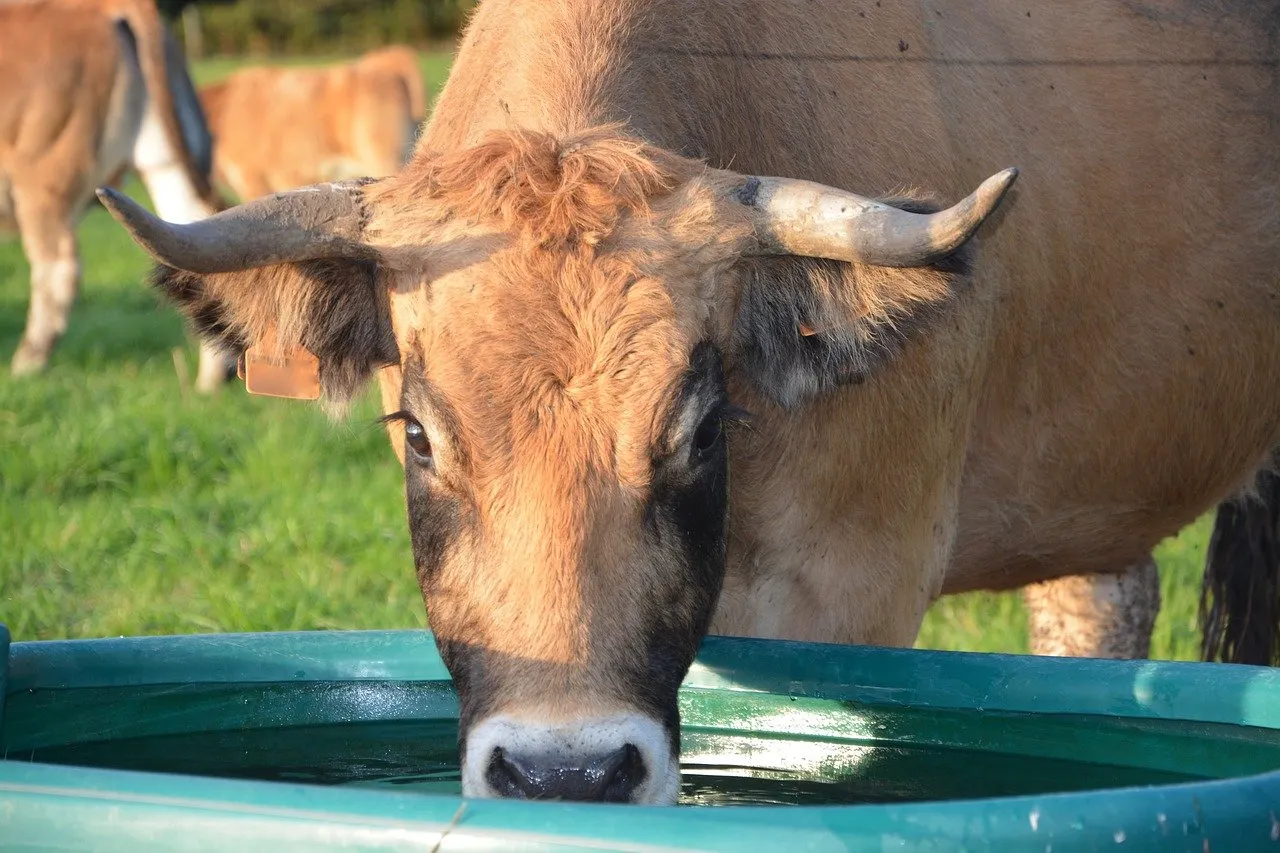
- Beef from animals castrated or dehorned without anaesthesia
- Pork from animals castrated, tail docked, or teeth clipped without anaesthesia
- Chicken eggs and poultry meat from animals beaked without anaesthesia
- Cow’s milk from animals dehorned without anaesthesia
- Frog legs severed without anaesthesia
- Liver and meat from force-fed ducks and geese
Additionally, the importation of furs and fur products obtained through cruel practices towards animals will also be banned.
This rule will go into effect on July 1st as well, but with a transitional period of two years — in other words, it won’t be implemented until July 1st, 2027.
Advertisement
Lobsters paved the way
Those laws are not exactly unprecedented in Switzerland.
In 2018, for instance, during an overhaul of Swiss animal protection laws, the government banned restaurants from plunging live lobsters into boiling water without knocking them out first.
This legislation is based on some scientific evidence indicating that lobsters and other crustaceans have sophisticated nervous systems and are therefore likely to feel significant pain when boiled alive.
In fact, animal protection in general is taken very seriously in Switzerland; the country has legislation that sets conditions of care for practically all types for pets and farm animals alike.
These laws include rules on humane methods of catching fish; providing cats with proper in-home infrastructure and socialisation; and not flushing gold fish down the toilet, among many others.
You can find out more about these rules here:
READ ALSO: How Swiss law forces you to pamper your pets


