Trained on the “Alps” supercomputer at the Swiss National Supercomputing Centre (CSCS) in Lugano, the new LLM marks a milestone in open-source AI and multilingual excellence, according to its developers.
Keystone / Gaetan Bally
Generated with artificial intelligence.
This summer researchers at Swiss universities will make available a large language model (LLM), an AI programme trained on vast amounts of data, developed on public infrastructure. A defining feature of the model is its multilingual fluency in over 1,500 languages.
Trained on the “Alps” supercomputer at the Swiss National Supercomputing Centre (CSCS) in Lugano, the new LLM marks a milestone in open-source AI and multilingual excellence, its developers said on Wednesday.
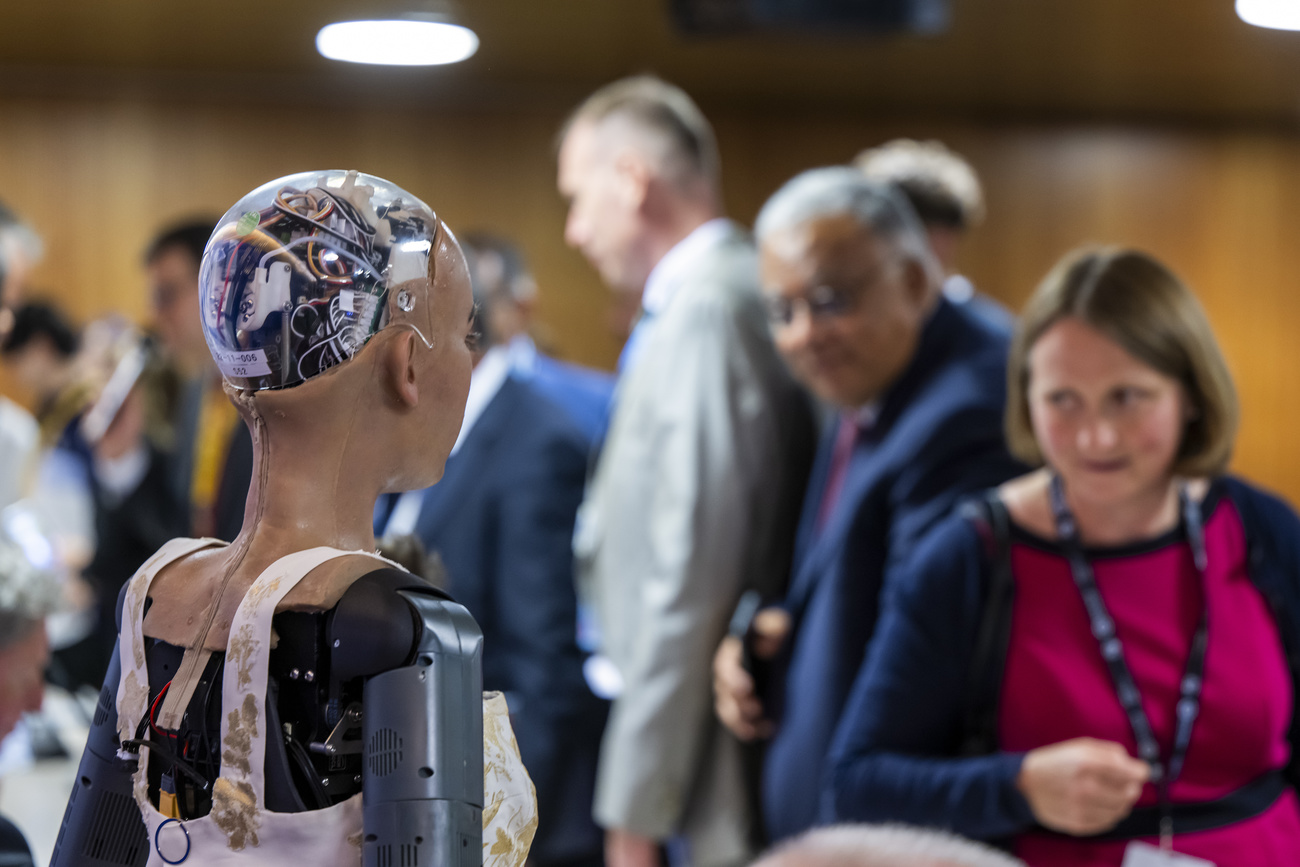
This week in Geneva, around fifty international organisations working for open source LLMs and trustworthy AI came together at the first International Open-Source LLM Builders Summit.
Organised by the AI centres at Switzerland’s federal institutes of technology in Lausanne (EFPL) and Zurich (ETH Zurich), the two institutions see the event as an important milestone in the construction of a collaborative international ecosystem around open and transparent models. These are increasingly seen as credible alternatives to commercial systems, which are mostly developed behind closed doors in the United States and China.
Participants were given a sneak preview of the imminent publication of a fully open and publicly developed LLM, co-created by scientists from EPFL and ETH Zurich and other Swiss universities, in collaboration with engineers from CSCS.
More
More
Swiss Alps supercomputer to leverage AI for science
This content was published on
Switzerland’s new supercomputer, Alps, will provide science projects with the muscle to harness the potential of AI.
Currently in the final testing phase, the model will be available for download under an open licence later this summer. It focuses on transparency, multilingual performance and broad accessibility.
The source code and training data will be transparent and reproducible, to encourage adoption in the scientific, governmental, educational and private sectors. This approach aims to promote both innovation and accountability.
“Fully open models enable high-trust applications and are essential for advancing research into the risks and opportunities of AI. Transparent processes also facilitate regulatory compliance,” explains Imanol Schlag, a researcher at ETH Zurich’s AI centre, who is piloting the project alongside Antoine Bosselut and Martin Jaggi at EPFL.
Massive multilingualism
A distinctive feature of the model is its mastery of more than 1,500 languages. “We emphasised massive multilingualism from the outset,” explains Bosselut in a press release on Wednesday.
More
More
Can Switzerland steer a safe course to AI innovation?
This content was published on
Switzerland announces AI strategy as global sentiment shifts from guardrails to a scramble for competitive advantage.
Unlike American models, which focus on English, the basic model was trained on a vast corpus of texts in more than 1,500 languages – around 60% in English and 40% in other languages – as well as code and mathematical data. Thanks to this linguistic and cultural representation, the model can be applied anywhere in the world.
Full documentation will accompany the publication, detailing the model’s architecture, training methods and usage recommendations to enable transparent re-use and ongoing development.
Launched in December 2023 by the two federal institutes of technology, the Swiss AI initiative is supported by more than ten academic institutions across the country.
Translated from French by DeepL/sb
We select the most relevant news for an international audience and use automatic translation tools to translate them into English. A journalist then reviews the translation for clarity and accuracy before publication.
Providing you with automatically translated news gives us the time to write more in-depth articles. The news stories we select have been written and carefully fact-checked by an external editorial team from news agencies such as Bloomberg or Keystone.
If you have any questions about how we work, write to us at english@swissinfo.ch
More
Porrentruy mayor comments on Swiss pool ban controversy
This content was published on
The mayor of the Swiss town of Porrentruy, which has been in the headlines in neighbouring France after restricting access to a pool to locals after a spate of anti-social behaviour, says he has received much support in recent days.
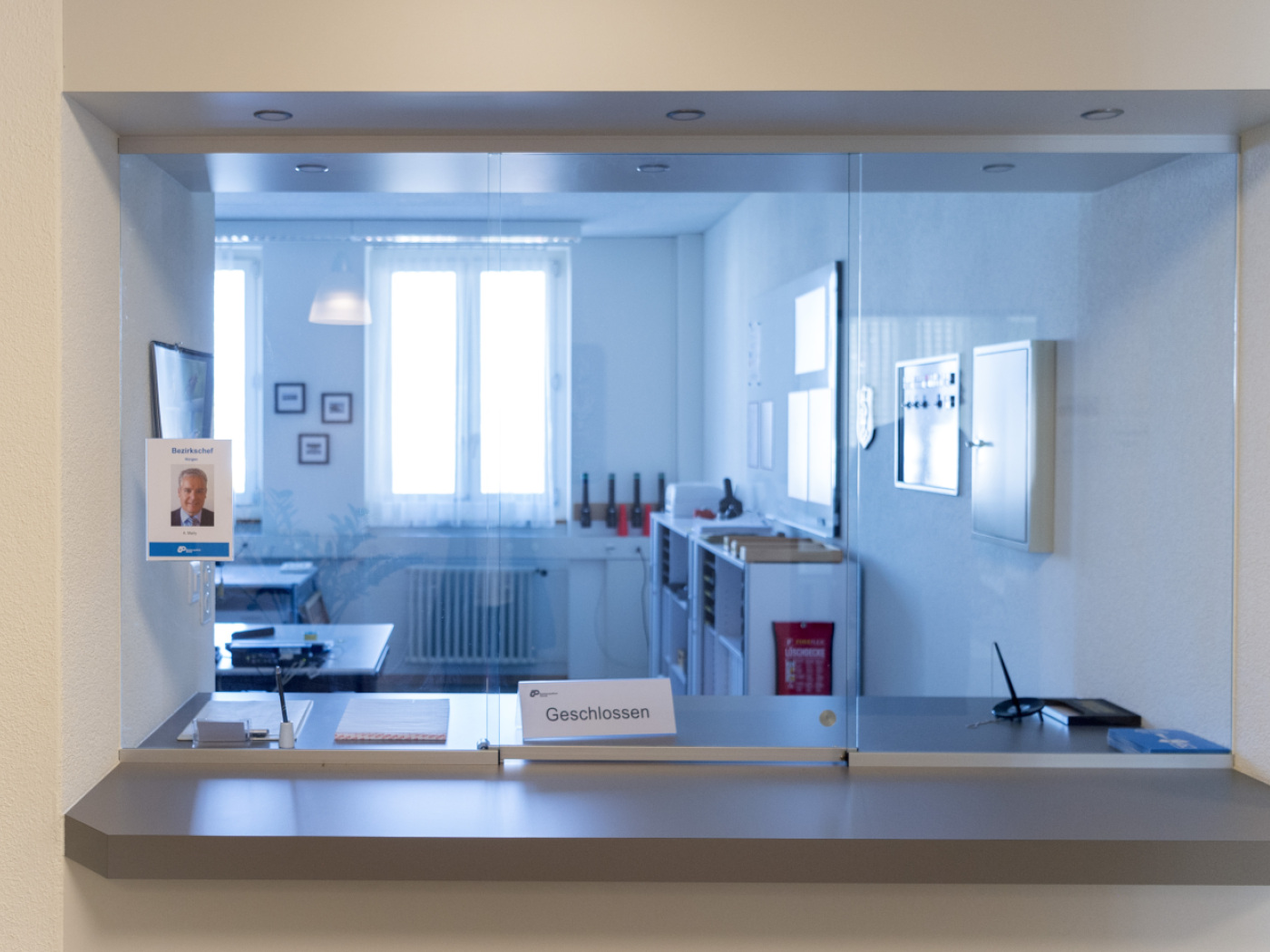
After a one-year test phase, Zurich’s cantonal police are introducing an online police station. Demand is high and the response from the public has been positive.
The chic resort of St Moritz in southeastern Switzerland has registered “summer” as a trademark under the name “St Summer”. The resort in canton Graubünden is launching a campaign to strengthen its summer business.
Swiss authorities detail progress on station access for people with reduced mobility
This content was published on
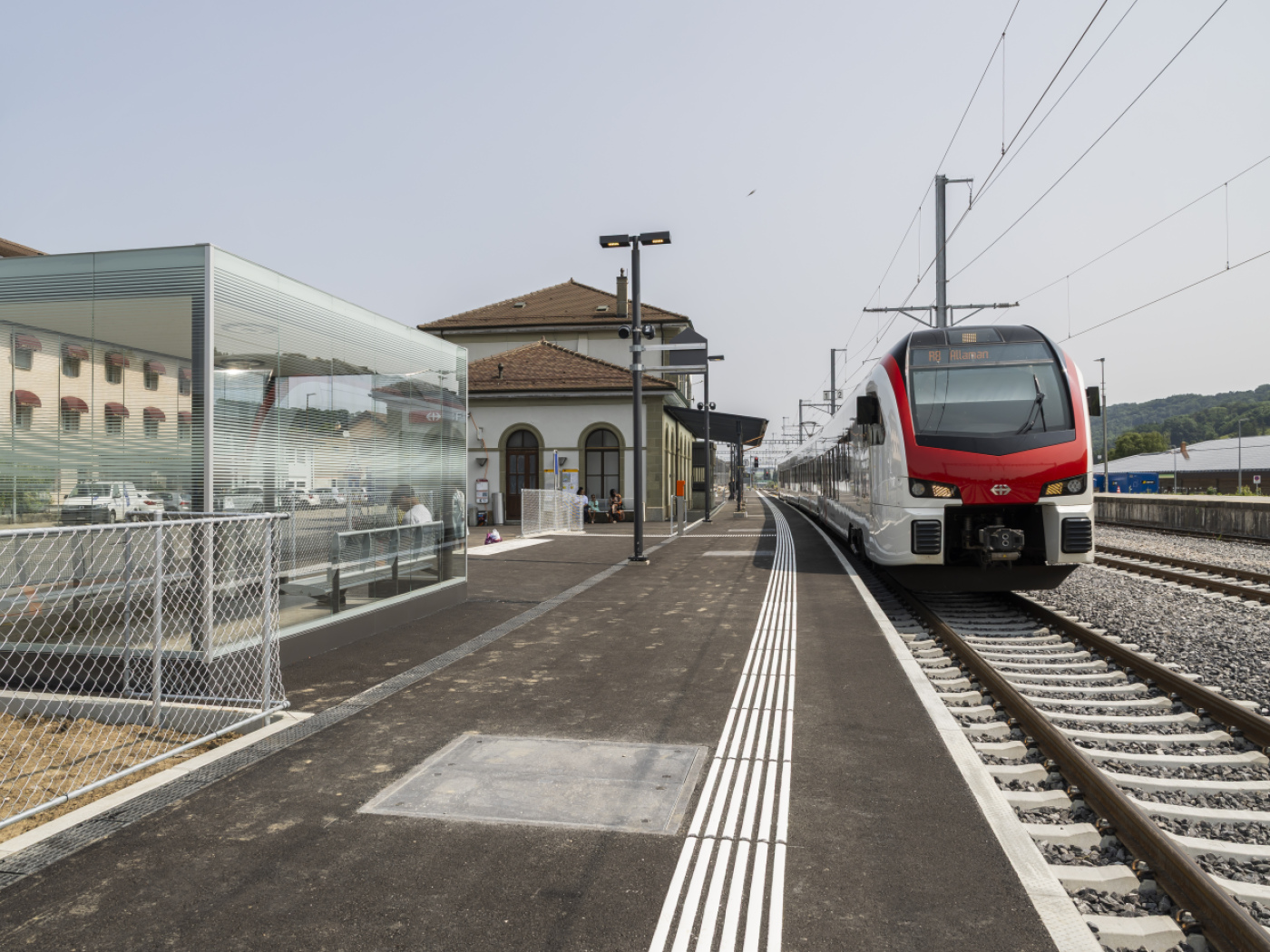
The Federal Office of Transport (FOT) said on Wednesday that 43 stations had been adapted for people with reduced mobility last year. The vast majority of rail travellers (82%) now benefit from easier access to stations, it says.
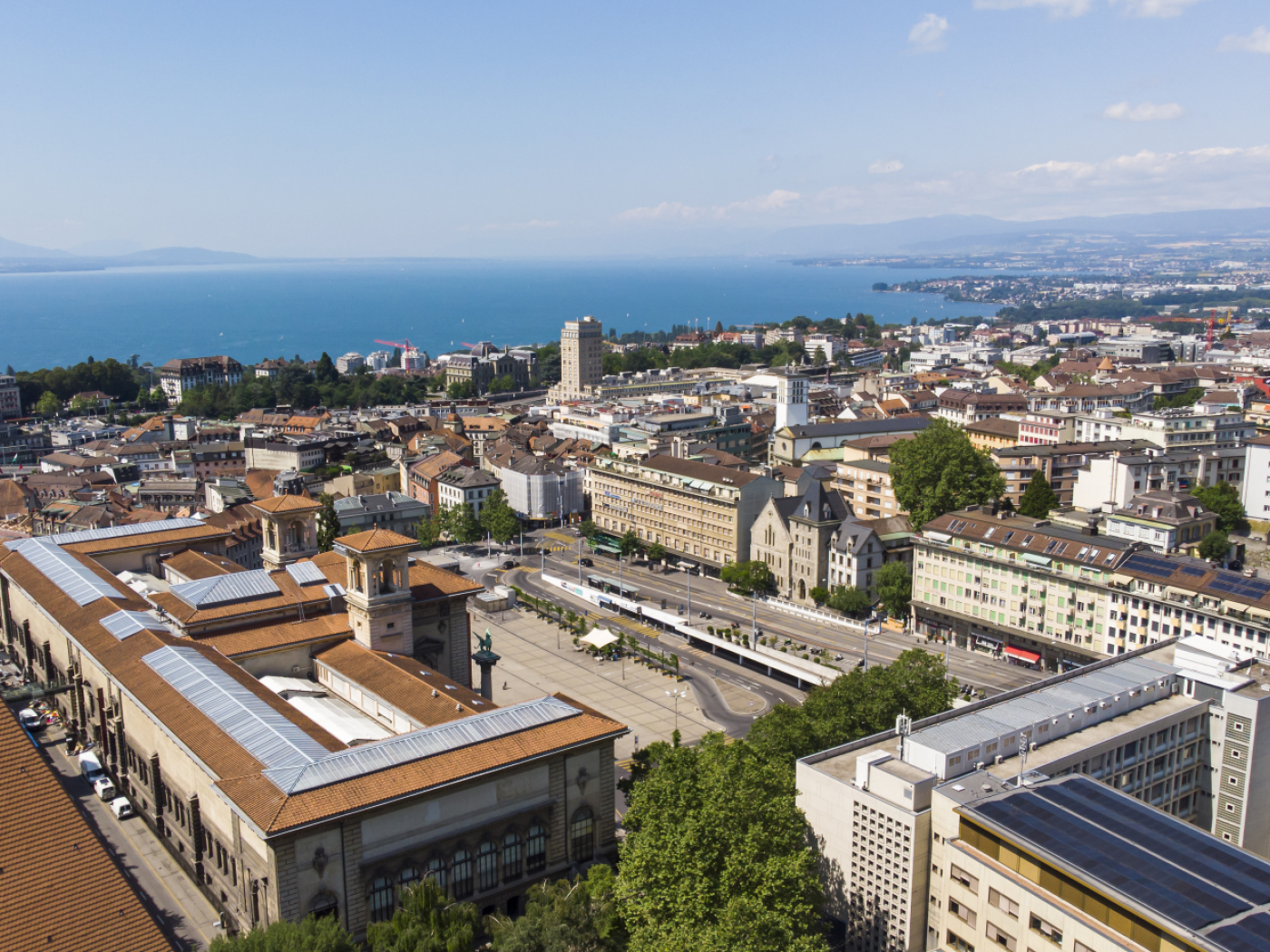
The prices of homes and apartments in Switzerland rose again in June. In the Lake Geneva region, prices of detached houses rose sharply. Meanwhile, in Zurich and its surrounding region the opposite trend was observed.
Crowded airports expected in Switzerland this summer
This content was published on
Switzerland’s main airports are preparing for a busy summer holiday period. A number of changes have been introduced to improve passenger flows that are expected to be well above average in July and August.
Zurich police arrest 38 football and hockey fans after violent incidents
This content was published on
Zurich police have investigated 48 cases of fan violence at stadiums in the Swiss city since last autumn and arrested a total of 38 people, Swiss public television, SRF, reports.
Cashflow problems affect UN Human Rights Council activities
This content was published on
Certain activities of the Geneva-based United Nations Human Rights Council cannot be carried out in 2025-2026 due of the ongoing cash crisis affecting the UN.
Plaintiffs take Khaled Nezzar case to European Court of Human Rights
This content was published on
Two plaintiffs in a serious war crimes case against former Algerian Defence Minister Khaled Nezzar have filed an appeal with the European Court of Human Rights.
Swiss nuclear power plant restarts as Aare River cools down
This content was published on
The Beznau nuclear power station in canton Aargau has been generating electricity again since Tuesday, as the Aare River has cooled down. Both reactors were disconnected last week.