


A valuable chronometer and clock on display at the MIH
Keystone-SDA
The international horological museum (MIH) in La Chaux-de-Fonds, western Switzerland, will be staging a temporary exhibition from May 6 showcasing its acquisitions for 2025. The exhibition will include two highly prized objects: a pocket chronometer and a “Copernicus” planetary clock.
+Get the most important news from Switzerland in your inbox
Faithful to its mission, the MIH is pursuing an acquisition policy aimed at completing its collection of historic pieces, while integrating recent creations that will constitute the heritage of tomorrow, it wrote in a press release on Friday. The diversity of the new acquisitions can be seen in the temporary exhibition.
The exhibition opens on May 6. The museum reopened on Friday.
During the exhibition, the public will be able to see two objects of great value, namely a pocket chronometer made by Lucy Grossmann and a planetary clock known as the “Copernicus”, an emblematic work by François Ducommun, passed on to the MIH by one of his descendants.
More
More
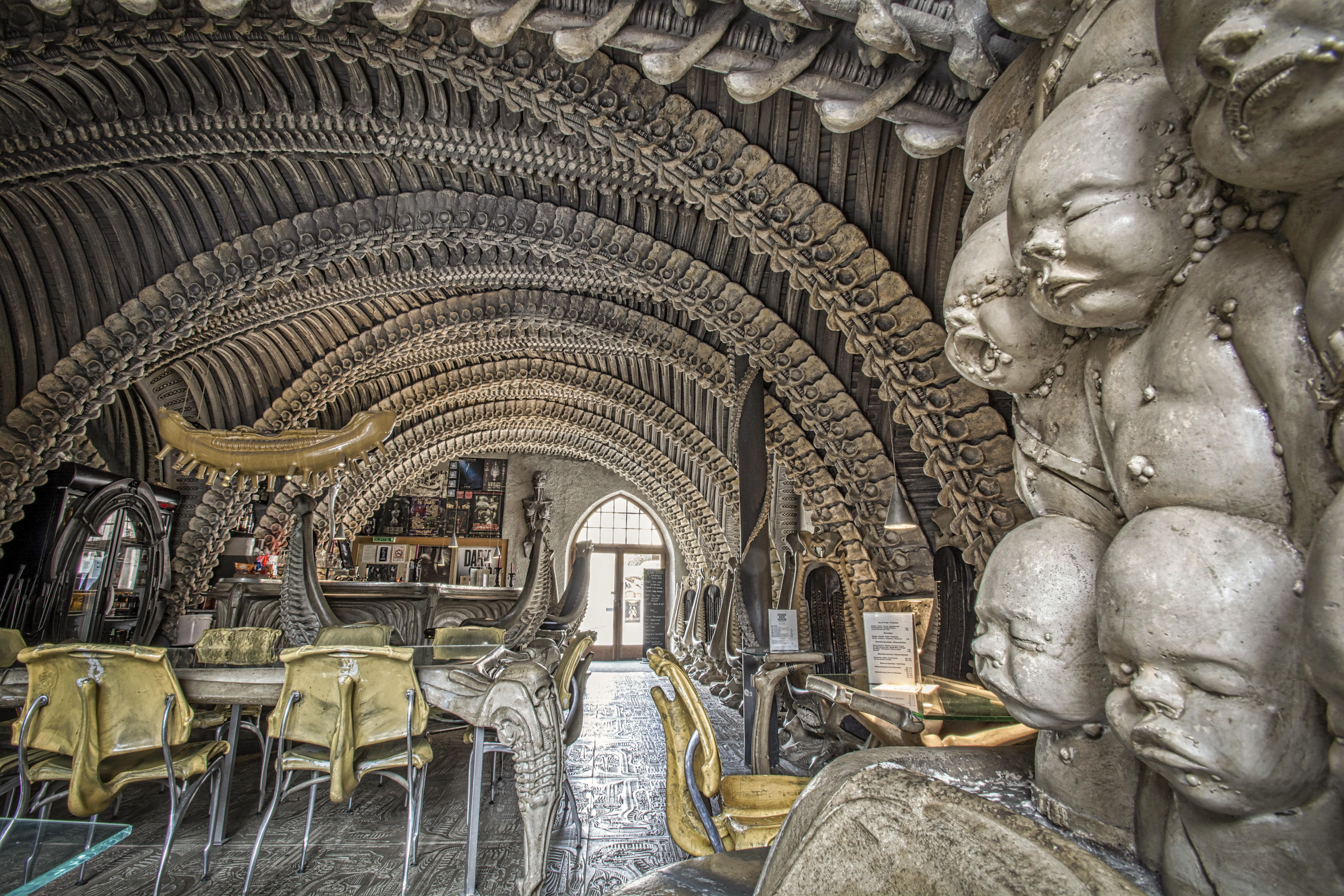
From the cute to the horrific: Switzerland’s weirdest museums
Pioneering woman
Lucy Grossmann was the first woman in Switzerland to complete a full course in watchmaking and to produce a chronometer renowned for its precision. Between 1908 and 1913, she produced by hand the pocket chronometer in question, acquired by the MIH. This watch enabled Grossmann to establish herself as one of the pioneers who helped place women at the heart of the watchmaking profession, according to the MIH.
With his “Copernicus” tellurium clock, watchmaker François Ducommun placed the measurement of time in a cosmic perspective. This planetary clock combines horological functions with astronomical indications. It also has an educational purpose.
At its top, the tellurium features the Sun, Moon and Earth, accompanied by complex indications such as the date, the sign of the zodiac and the phase of the Moon. Time is thus presented as a cyclical phenomenon, inseparable from the celestial movements that govern the world.
Ducommun practised between the late 18th and early 19th centuries. He was part of a tradition that brought watchmaking into dialogue with astronomy.
+ The Japanese ‘watch doctor’ who restores historic Swiss timepieces
Adapted from French by AI/ts
We select the most relevant news for an international audience and use automatic translation tools to translate them into English. A journalist then reviews the translation for clarity and accuracy before publication.
Providing you with automatically translated news gives us the time to write more in-depth articles. The news stories we select have been written and carefully fact-checked by an external editorial team from news agencies such as Bloomberg or Keystone.
If you have any questions about how we work, write to us at english@swissinfo.ch


