


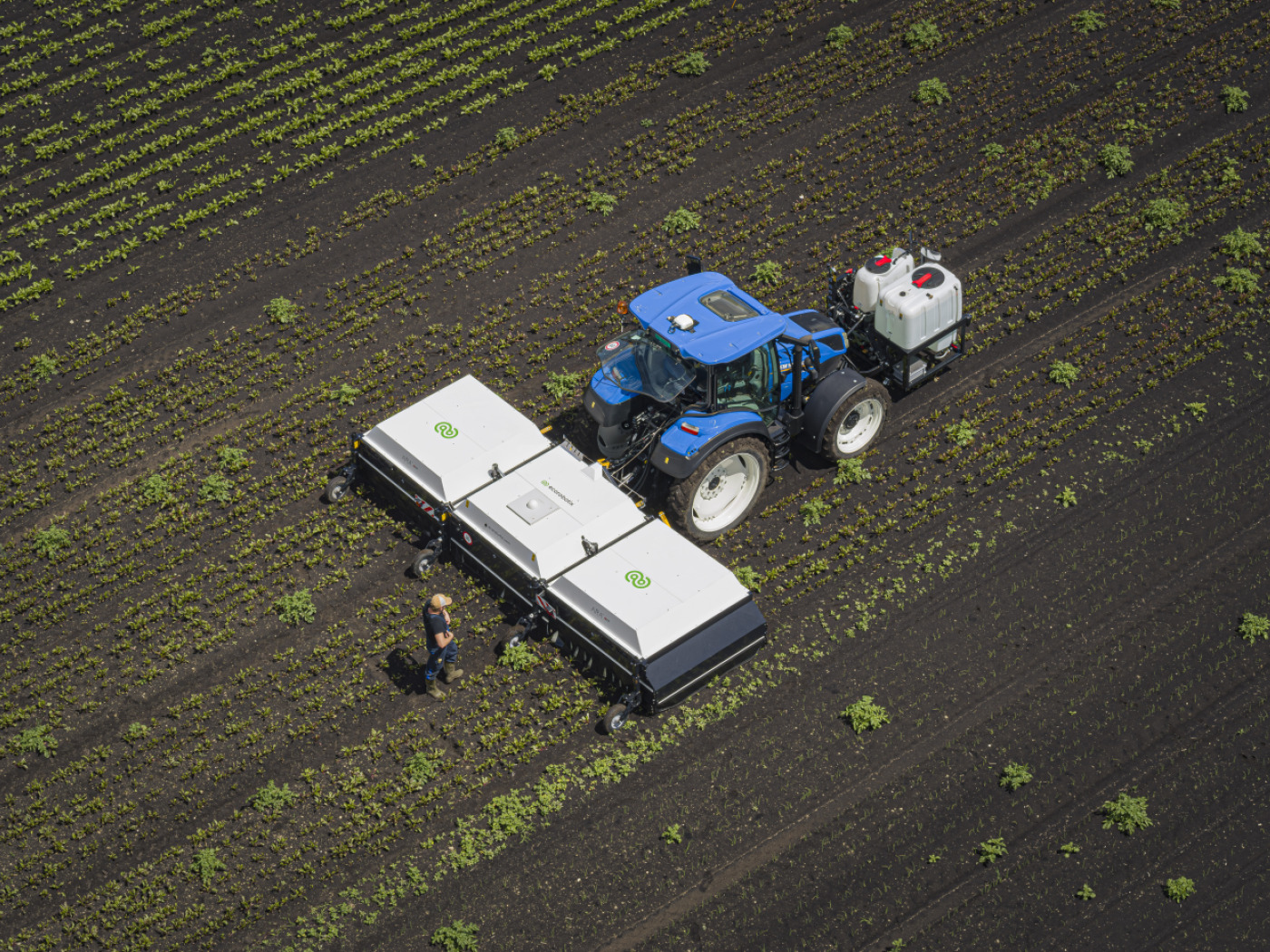
The National Council wants to authorise EU plant protection products more quickly
Keystone-SDA
Pesticides that are authorised in the European Union should be available more quickly in Switzerland, Swiss parliament has decided.
+Get the most important news from Switzerland in your inbox
This applies particularly to neighbouring EU country, the Netherlands or Belgium, says the House of Representatives.
Lawmakers have voted in favour of the draft bill from the parliamentary chamber’s Committee for Economic Affairs and Taxation (WAK-N), which aims to enable modern plant protection in Switzerland.
+ Read about Switzerland’s complicated relationship with pesticides
Due to time constraints, however, it was only able to vote on whether to approve the proposal. The detailed discussion is expected to follow.
A minority of parliamentarians wanted to suspend the discussion of the matter until a decision had been made on the “Bilaterals III” package with the EU. However, their motion was unsuccessful.
“With this bill, we will become the country in Europe that authorises by far the most pesticides,” said Social Democrat Jacqueline Badran. “I have rarely been so disappointed with our parliament.”
More
More
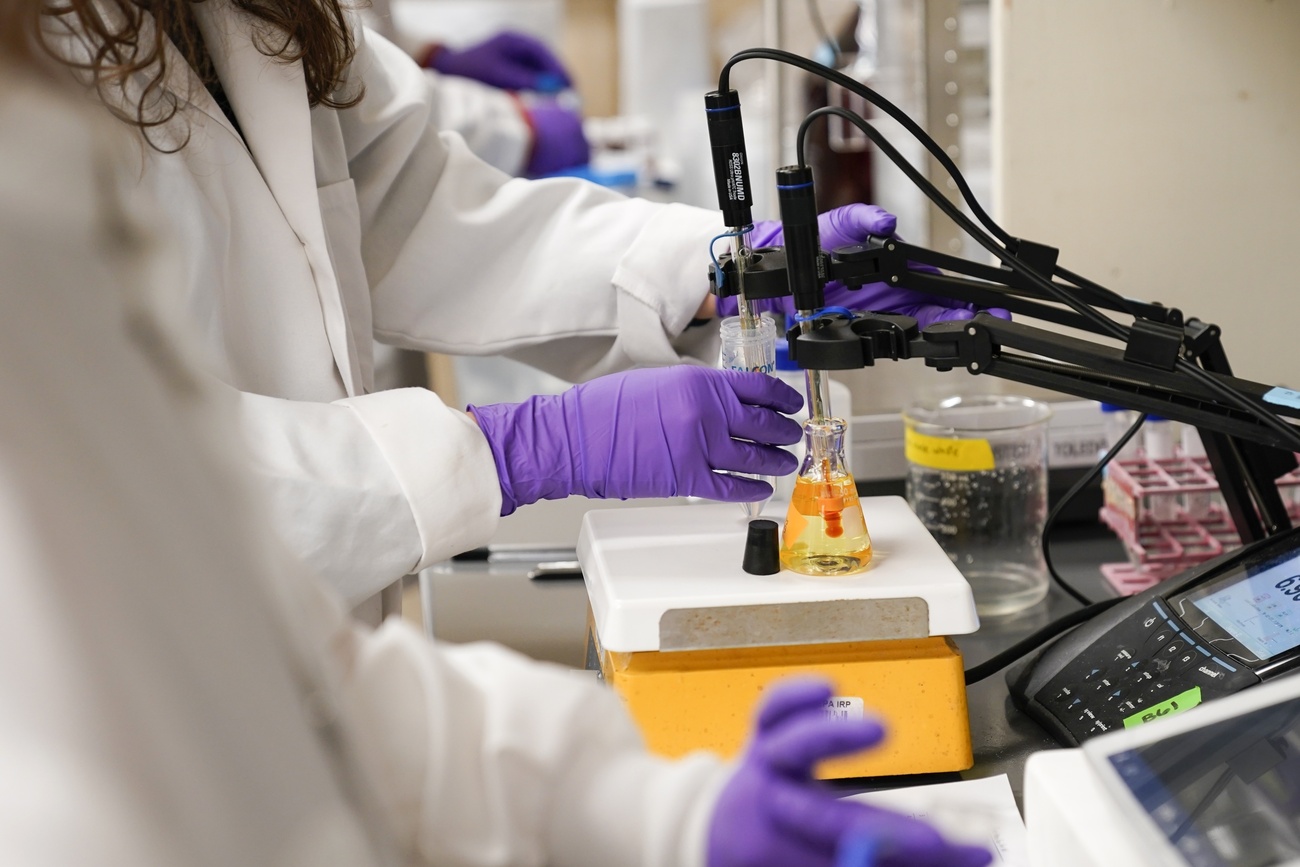
Switzerland ends study on exposure to PFAS and pesticides to cut costs
On the other hand, those in favour argued that Swiss agriculture is in crisis. “We currently have unacceptably long authorisation procedures and over 600 pending procedures,” said Beat Walti of the Radical Party.
The draft law supports the production power of agriculture. Old pesticides can thus be replaced by new plant protection products.
However, opponents of the law belive the measure is not only harmful to the environment, but also to health.
The government rejected the proposal, because the proposed law had already been realised with the total revision of the Ordinance on Plant Protection Products, which came into force at the beginning of December.
According to those in favour of the new Bill, however, this amendment to the ordinance is not enough.
More
More
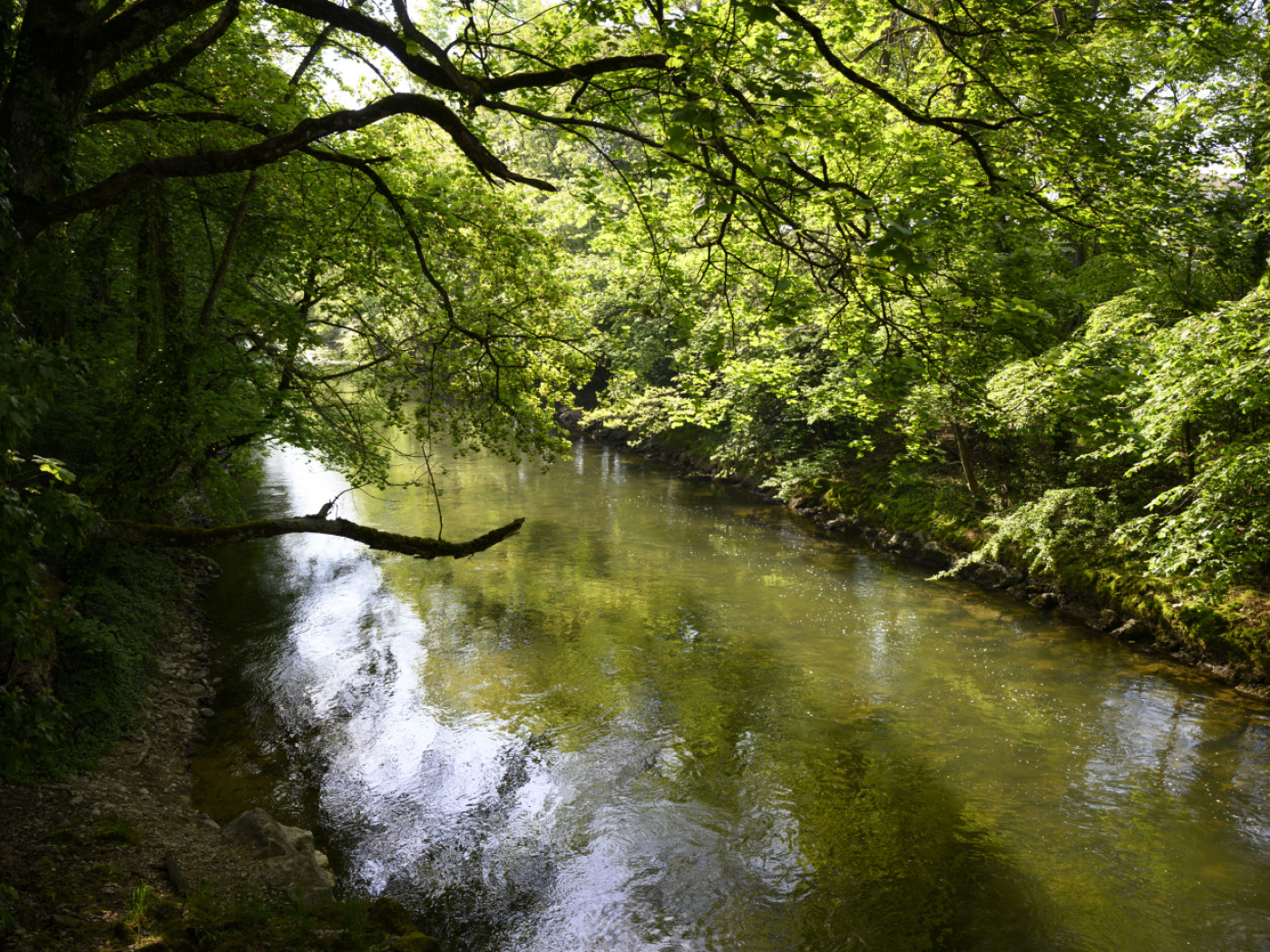
Researchers find 135 pesticides in Swiss rivers
Translated from German by DeepL/mga
We select the most relevant news for an international audience and use automatic translation tools to translate them into English. A journalist then reviews the translation for clarity and accuracy before publication.
Providing you with automatically translated news gives us the time to write more in-depth articles. The news stories we select have been written and carefully fact-checked by an external editorial team from news agencies such as Bloomberg or Keystone.
If you have any questions about how we work, write to us at english@swissinfo.ch.


