Swiss citizens in 50 countries used electronic voting for the first time to elect representatives to the Council of the Swiss Abroad for the 2025-2029 legislative. The Organisation of the Swiss Abroad (OSA) hopes this will make the council more representative.
The UniVote tool developed by the Bern University of Applied Sciences for electronic direct voting also led to an increased voter turnout in individual constituencies, the OSA said on Friday.
In Australia, for example, 0.1% of Swiss citizens living abroad elected their delegates to the Council of the Swiss Abroad (CSA) before the introduction of direct electronic voting. Thanks to direct online voting, voter turnout has now risen to 5.8%, according to OSA.
More
More
Why a redistribution of seats on the Council of the Swiss Abroad is causing a stir
This content was published on
A redrawing of global constituency boundaries has sparked complaints from some countries which stand to lose a seat.
A total of 13,500 Swiss citizens abroad took part in the direct online elections. The OSA now intends to further expand the online direct voting system. The aim is to further strengthen internal transparency and democracy as well as the legitimacy of the CSA, it said.
The “Parliament of the Fifth Switzerland”, as the CSA is also known, is the highest body of the Organisation of the Swiss Abroad and is elected every four years.
More
More
Can the Swiss Abroad salvage their image?
This content was published on
The Organisation of the Swiss Abroad wants to improve the standing of the diaspora among the compatriots back home – not an easy task.
The Swiss Abroad are divided into 55 constituencies worldwide. Of these, 13, made up of around 50 countries, held direct electronic elections this year. Around 243,000 people are registered in the 13 constituencies.
The electronic vote ran until May 11. The election results will be confirmed in August, the OSA said. By then, the remaining delegates, who are still elected in the traditional way by the Swiss associations, will also have been determined.
More
More
The Swiss Abroad need a strong voice and targeted information
This content was published on
The revamped SWIplus app offers free access to the most useful information for expatriates or people in the process of moving abroad.
We select the most relevant news for an international audience and use automatic translation tools such as DeepL to translate them into English. A journalist then reviews the translation for clarity and accuracy before publication. Providing you with automatically translated news gives us the time to write more in-depth articles. The news stories we select have been written and carefully fact-checked by an external editorial team from news agencies such as Bloomberg or Keystone.
Did you find this explanation helpful? Please fill out the short survey below to help us understand your needs.
More
Nestlé scraps Nutri-Score food label in Switzerland
This content was published on
Nestlé plans to phase out its Nutri-Score nutrition labelling system on products sold in Switzerland. The food giant says it is almost the last company in the country to use it.
Study: spring in Swiss Alps starts earlier and earlier
This content was published on
Climate change is transforming the Alps: after the snow cover disappears, plants in meadows and pastures are sprouting roughly six days earlier than 25 years ago.
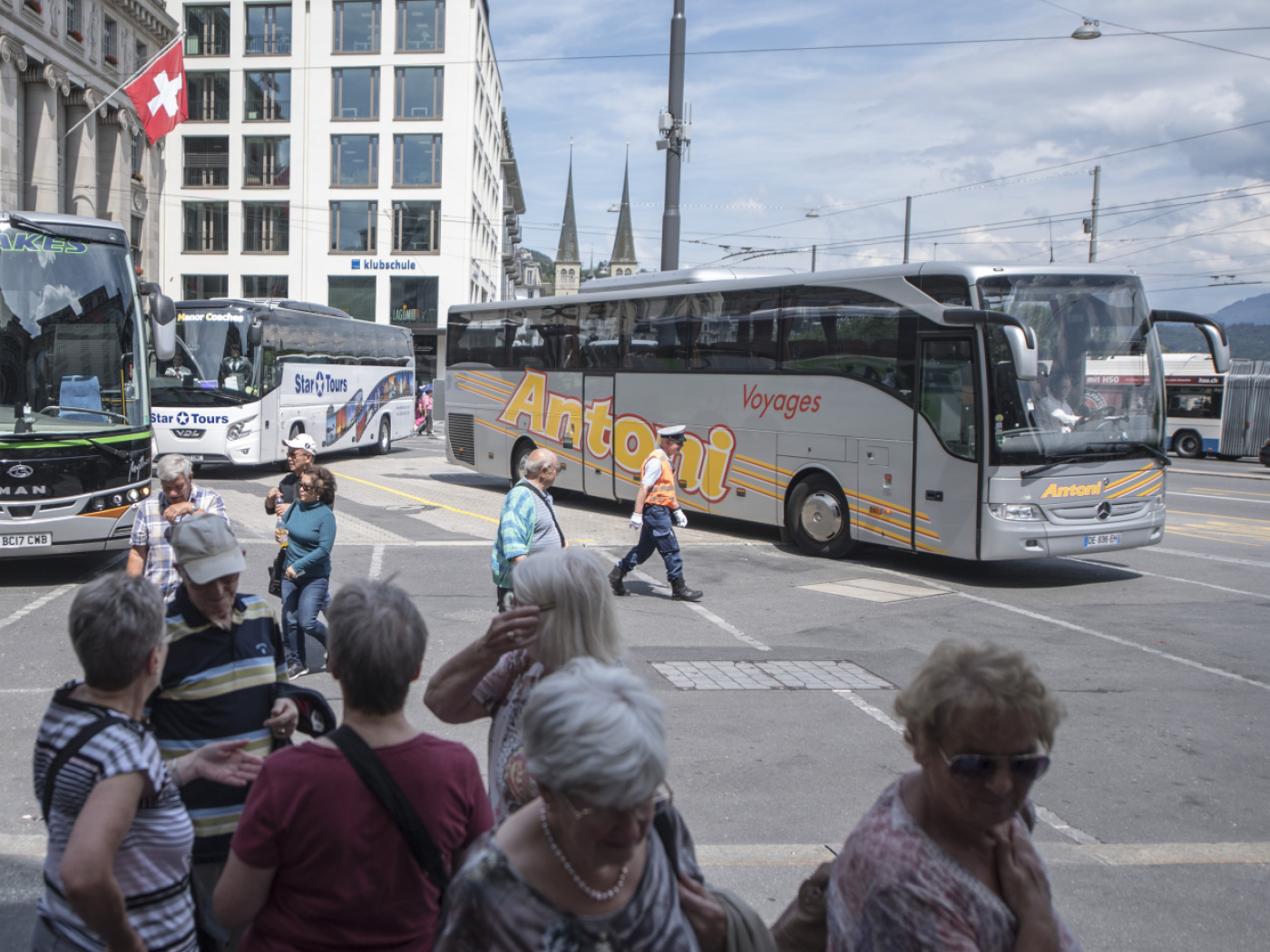
The number of tourist coaches stopping at Schwanenplatz in the centre of Lucerne was down by two-thirds in April, compared to the same month last year.
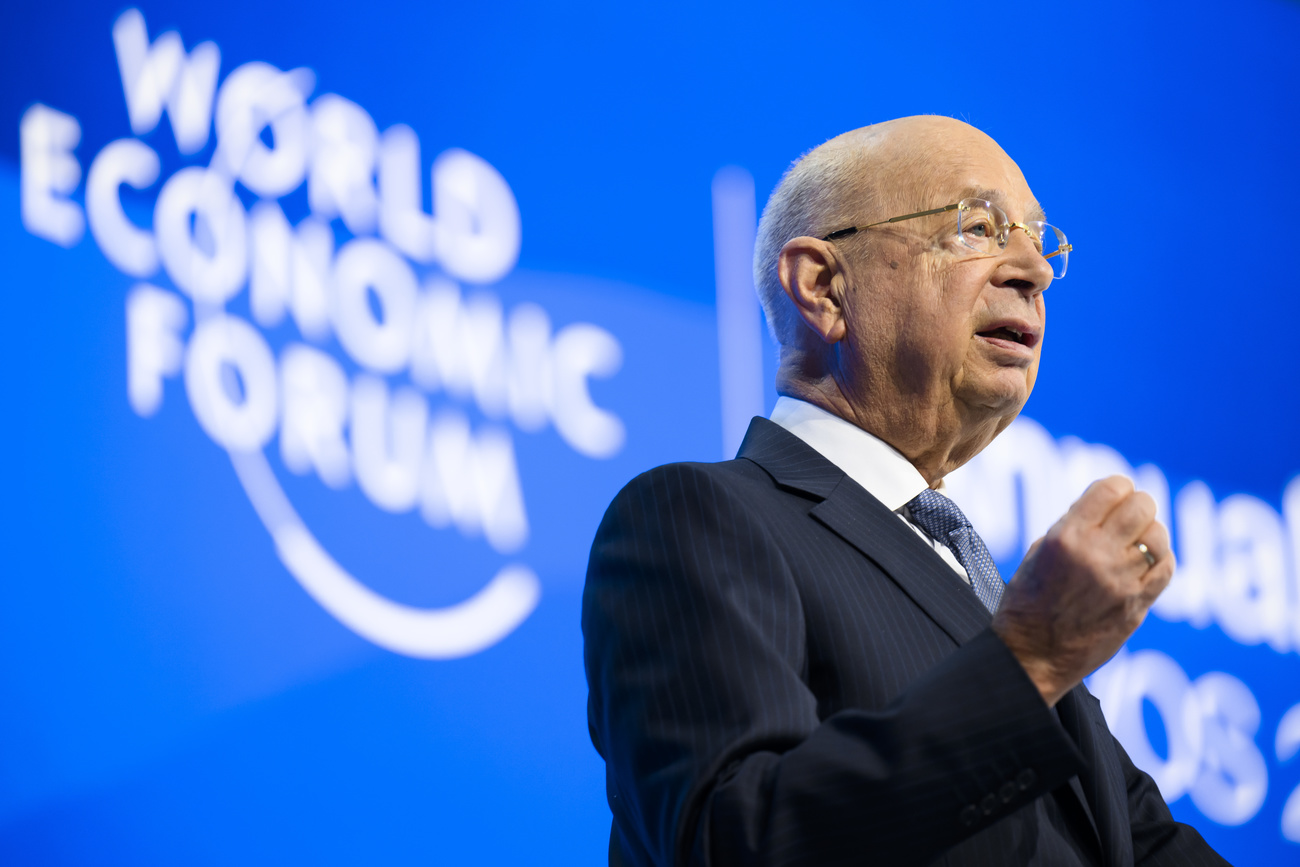
WEF courts Lagarde as next leader after founder’s abrupt exit
This content was published on
Klaus Schwab’s abrupt departure from the World Economic Forum has complicated carefully laid plans to persuade Christine Lagarde to assume the helm in a seamless transition.