

Spain’s leftist government on Thursday said it would soon present a plan to contain the Middle East war’s impact on Spanish electricity and fuel prices.
The closure of the Strait of Hormuz, a vital waterway for oil and gas exports from the energy-rich Gulf, following the US-Israeli strikes on Iran from February 28th has roiled world energy markets.
Fears have risen for the fallout on household budgets worldwide, especially for the most vulnerable, if the conflict drags on.
Spanish Economy Minister Carlos Cuerpo said the government’s response “will essentially be in the form of fiscal measures”, with the 2022 energy crisis triggered by Russia’s invasion of Ukraine serving as a guide.
Advertisement
“There is broad consensus regarding the positive effect on price containment and inflation they had. These will be the tools we will work with,” he told a news conference following talks with unions and business representatives.
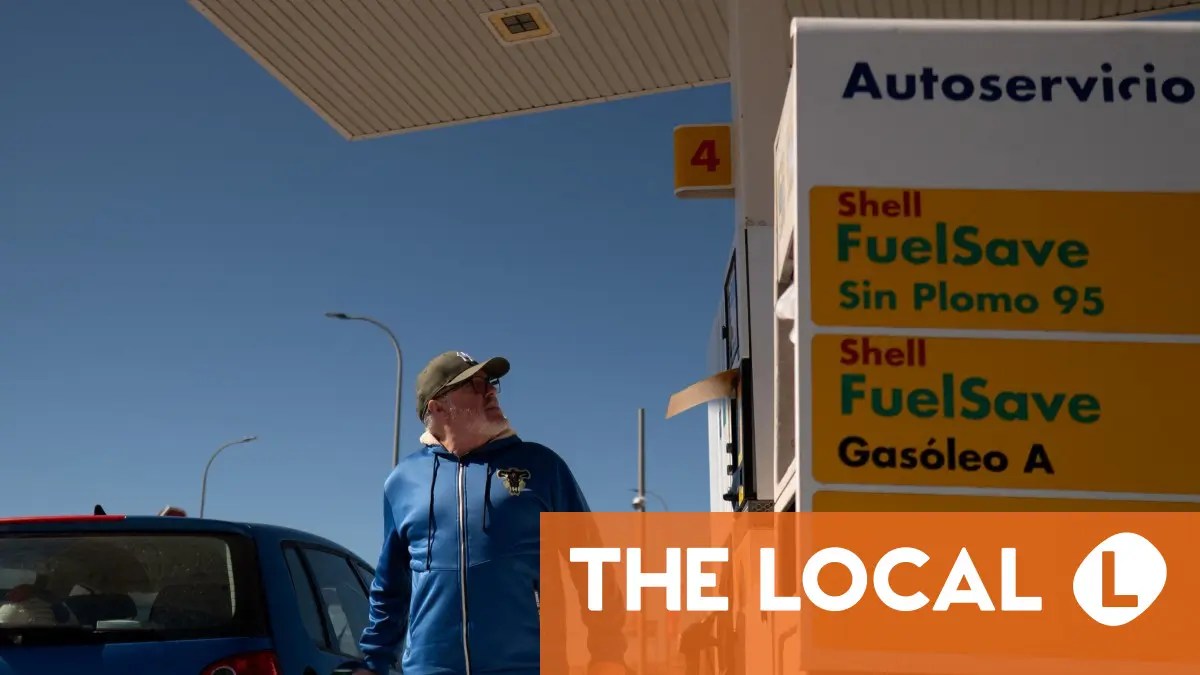
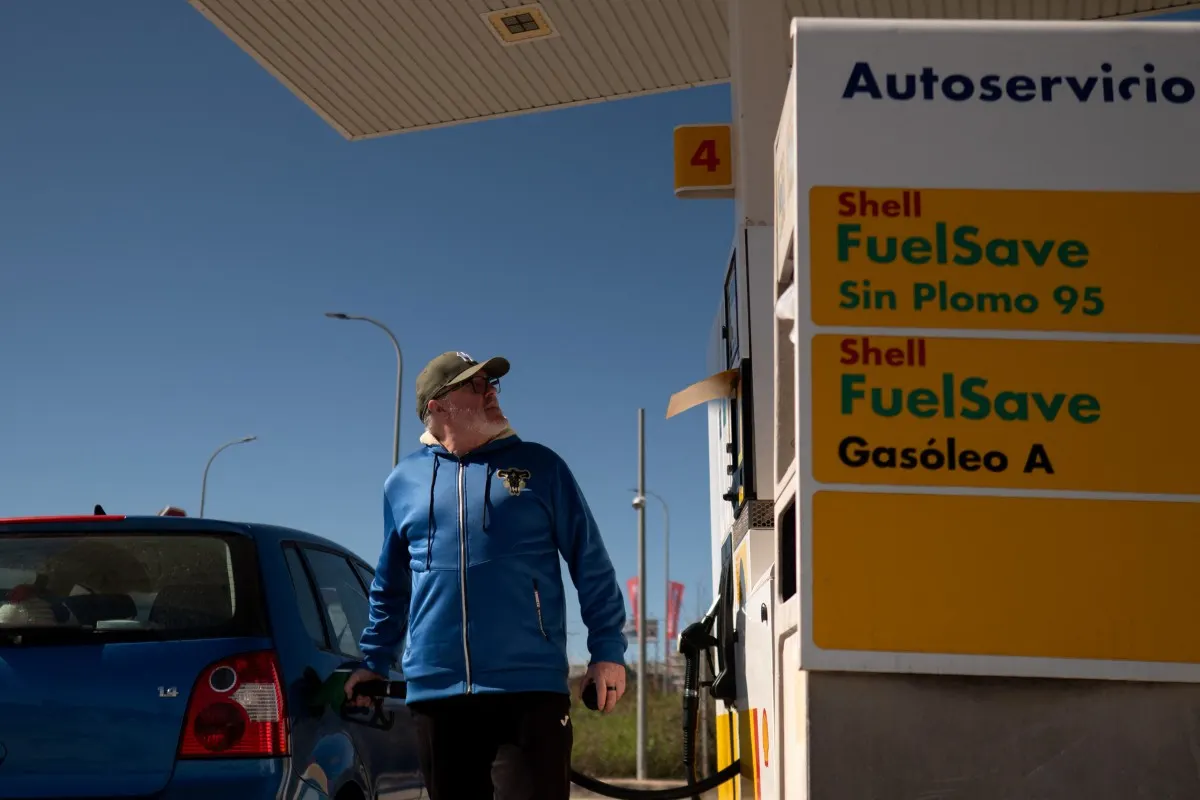
Cuerpo said “specific” aid would be targeted at agriculture and road transport, hit hard by diesel prices that have soared by more than 20 percent in Spain since the start of the war.
READ ALSO: Spain’s fuel prices surge following war in Middle East
“The priority is focusing on sealing the text as soon as possible, in the coming days, so that it is ready for approval,” said Cuerpo.
But “we are still far” from suffering the same crisis as in 2022 – when Spanish inflation soared past 10 percent – thanks to the country’s bet on renewables and diversified energy supplies, said Cuerpo.
Renewable power makes up around 55 percent of Spain’s energy mix, while the country imports most of its crude oil from the Americas and Africa.
The European Union’s fourth-largest economy has in recent years registered growth rates far higher than its peers, notably thanks to domestic consumption, tourism and exports.
READ ALSO: How to find out where to get the cheapest fuel in Spain


