


Swiss employees earn higher wages than foreigners; and some young professionals from third countries can work in Switzerland — these are among the news that The Local reported this week. You can catch up on everything in this weekly roundup.
Swiss earn higher wages than foreigners
There is a marked difference between the salaries paid to Swiss citizens and foreign nationals, a new study reveals.
Concretely, the government’s data shows that “across the economy, the median monthly salary of Swiss employees was higher than that paid to foreign workers.”
The disparities are greatest between Swiss and foreign men, with the former earning 18 percent more on average.
What’s more, these differences have remained steadfast since 2022: since that time, salaries have increased by 5.5 percent for Swiss employees, but only by 4.1 percent for foreigners.
READ ALSO: Foreigners in Switzerland paid far less than Swiss workers, study claims
Some third-country nationals better placed to get a Swiss work permit
According to the State Secretariat for Migration (SEM), these agreements “enable young people who have completed their education (at least a bachelor’s degree or a two-year apprenticeship) and who wish to broaden their professional and language skills in Switzerland, to obtain a work permit.”
Nationals of Argentina, Australia, Canada, Chile, Indonesia, Japan, Monaco, New Zealand, Philippines, Russia, South Africa, Tunisia, Ukraine, and the USA are eligible for this programme.
“Young professionals are required to work in the profession that they have learned or in the field of their studies,” SEM said. “The purpose of the stay as a Young Professional is career development,”
READ ALSO: The non-EU workers who get better access to Swiss work permits
Advertisement
Renting in Switzerland is more expensive for foreigners than for Swiss
Evidence suggests that many foreigners pay more in rent than Swiss tenants.
On average, foreign households in Switzerland pay 10.5 percent more than Swiss households, but rents are even higher in certain regions.
The biggest difference between Swiss and foreign population can be found, predictably, in areas where housing is scarcest: the Lake Geneva region, where foreigners pay, on average, 15.7 percent more for rent than Swiss , closely followed by Zurich (15.2 percent).
But the problem exists in other regions as well: 12 percent more in central Switzeland, 9 percent in the northwestern cantons like Basel, and between 5 and 7 percent in other regions
READ ALSO: Why do foreigners in Switzerland often pay higher rent than the Swiss
Today’s immigrants are different from their predecessors, study finds
New research reveals that the profile of a ‘typical’ immigrant has changed over the years.
Unlike foreigners who flocked to Switzerland years ago, who were mostly poor, today’s immigrants are typically highly skilled and have the same cultural background as native Swiss people, researchers pointed out.
They also said that around 60 percent of foreign nationals have a college degree.
“Our study shows that people’s perceptions need to be updated to this new profile.”
READ ALSO: How Switzerland’s immigrants have changed
Advertisement
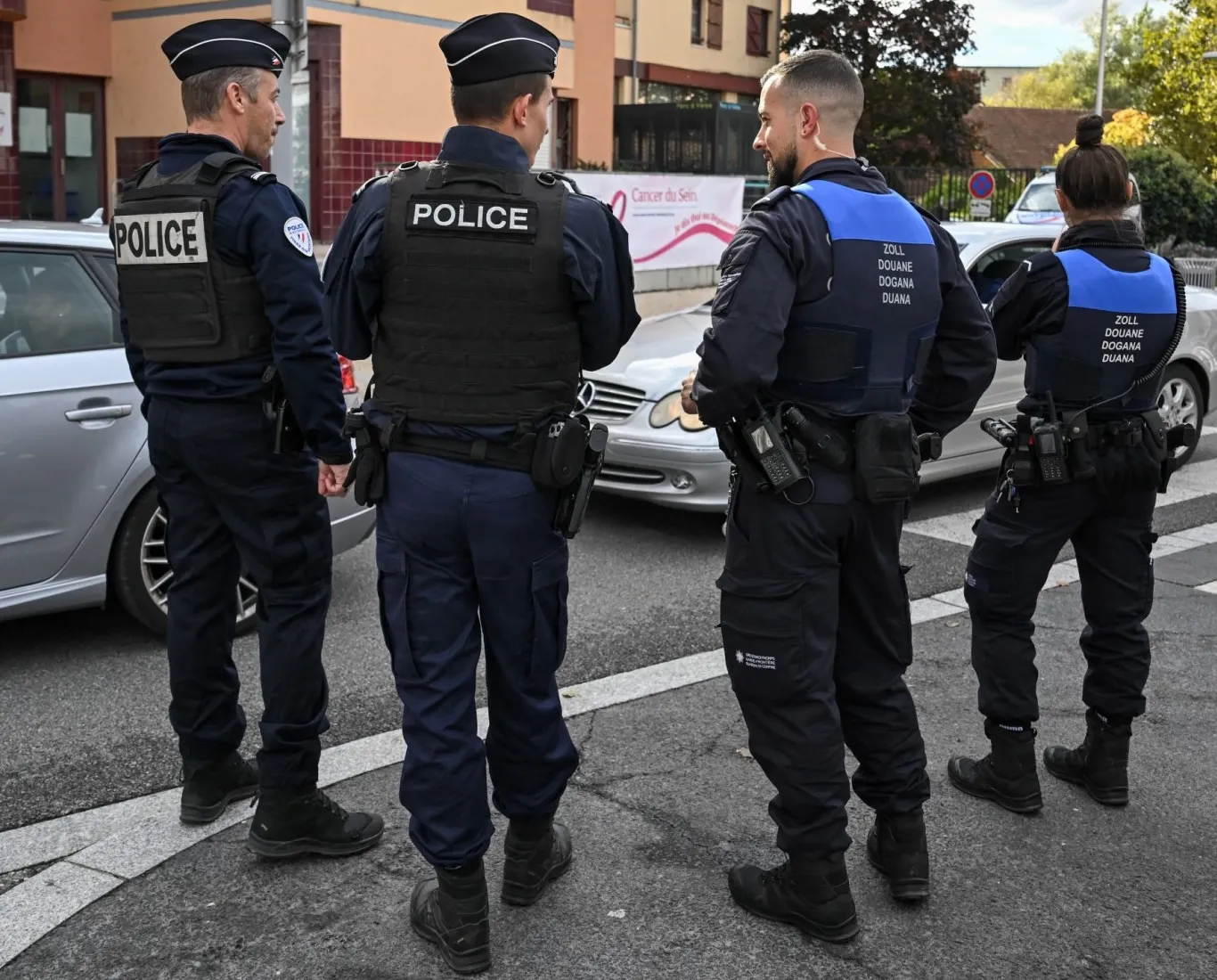
Some countries within the Schengen area have reinstated border checks
With many countries in Europe clamping-down on illegal migration and protecting themselves from terrorist attacks, controls at Schengen internal borders have intensified in recent months.
At Switzerland’s borders, more rigorous checks are being carried out in Germany and France, though they still remain random.
But it is best to be prepared for bottlenecks at border crossing areas into these countries, and be ready for passport checks as well.
READ ALSO: At which Swiss border points are you most likely to face checks this summer?
Advertisement
Accidents on toboggan runs raise questions about their safety
A recent fatal accident on a Swiss summer toboggan piste, plus a long list of incidents over the years, has raised questions about the safety of this activity.
In total, the Swiss National Accident Insurance Fund (SUVA) recorded about 130 accidents per year in Switzerland on summer toboggan runs between 2019 and 2023, though most of them were not, thankfully, fatal or very serious.
While the Association of Ski Lift Companies, which operates many of the luge runs in Switzerland, insists that they are safe, other experts say they are not tightly regulated.
READ ALSO: Are Switzerland’s Alpine summer luge runs safe?


