


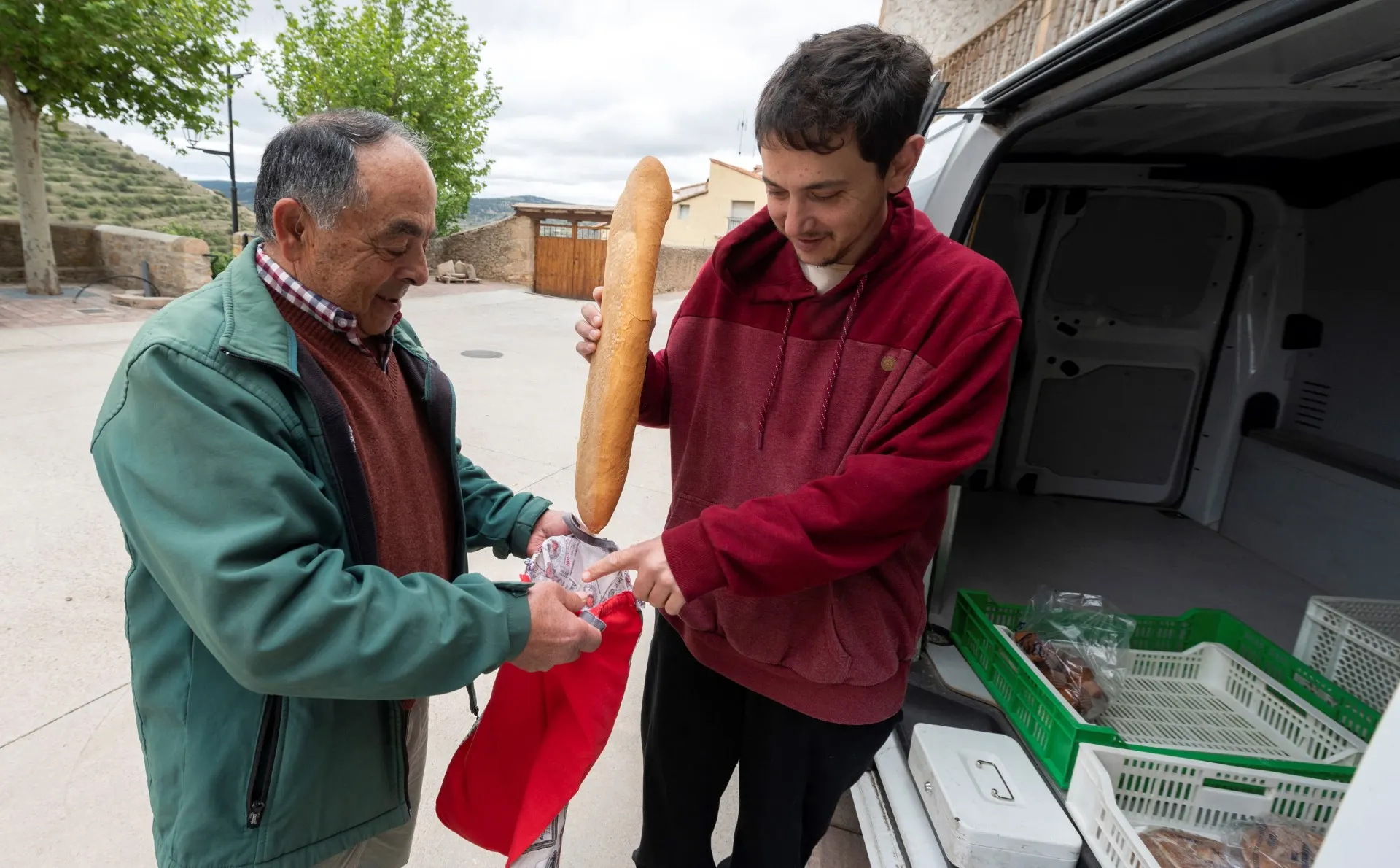
What does ‘eaten bread’ mean in Spain? Or to ‘make good crumbs’? As bread is such a staple of the Spanish diet, it’s no surprise there are loads of expressions with the word ‘pan’, but most have nothing to do with the food.
Pan comido: the equivalent of saying ‘easy peasy’ in English. It translates literally as ‘eaten bread’ but it’s used to describe anything that’s easy or straightforward, most usually referred to as fácil in Spanish.
Example:
El examen fue pan comido.
The exam was easy peasy.
Advertisement
Al pan, y al vino, vino: This expression is used to say that you have to call things by their name, without beating about the bush, like ‘saying call a spade a spade’ in English. Its origins are Catholic, as bread (pan) and wine (vino) are symbols of the Body and Blood of Christ.
Example:
Al pan, y al vino, vino. Laura es una mentirosa.
Let’s call a spade a spade. Laura is a liar.
Hacer buenas migas: ‘To make good crumbs’ actually means to hit it off with a person, to get on well with them. The saying comes from when nomadic shepherds would cross paths and share the ingredients they had to make a breadcrumb-based migas dish.
Example:
Los chicos han hecho buenas migas.
The kids have hit it off.
Ser más bueno/a que el pan: ‘To be better than bread’ is the same as saying ‘as good as gold’ in English, referring to someone’s noble and good behaviour.
Example:
Jaimito es más bueno que el pan, se ha portado muy bien.
Jaimito is as good as gold, he behaved very well.
Estar más bueno/a que el pan: Similar but very different meanings as ser bueno means to be good but estar bueno usually refers to someone being attractive/yummy. So don’t mix them up!
Lola está más buena que el pan. Me pongo malo de mirarla.
Lola is so hot. I can’t even look at her.
Ganarse el pan: ‘To earn the bread’ is a colloquial way of saying to make a living, or put food on the table.
Example:
Mi padre se ganaba el pan como obrero.
My dad put foot on the table by working as a builder.
El pan de cada día: ‘The bread of everyday’ describes something that happens on a daily basis, it’s part and parcel, it comes with the territory. Sometimes this routine task can refer to work specifically, like saying ‘your bread and butter’ in English.
Example:
Aguantar insultos es el pan de cada día para un árbitro.
Putting up with insults is part and parcel of being a referee.


