


BAKU, Azerbaijan, July 28. Pro-Armenian
congressmen’s letter to US President Donald Trump signals their
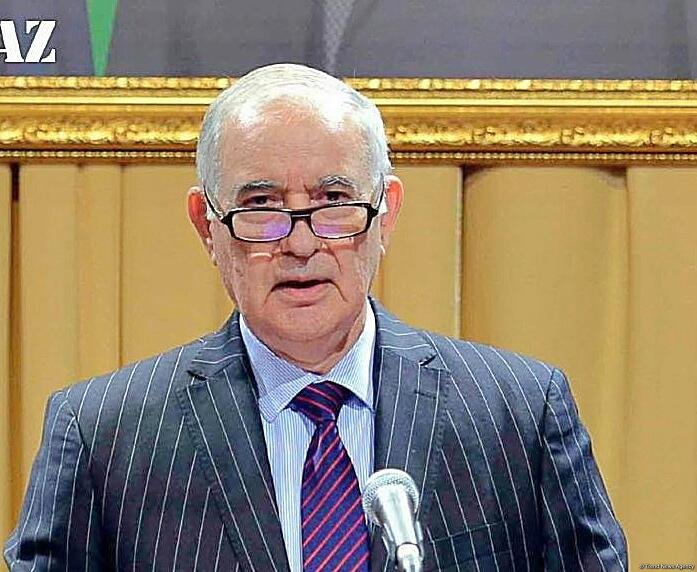
end, Azerbaijani political analyst Azer Garayev told Trend.
“While diplomatic efforts to resolve long-standing conflict in
the South Caucasus are gaining momentum, familiar political
maneuvers have resurfaced in the US Congress. A group of 87
lawmakers has sent a letter to the Trump administration, urging
support for the so-called ‘return of Armenians to
Nagorno-Karabakh’.
The letter was signed by members of both the Democratic and
Republican parties known for their pro-Armenian stance, including
Frank Pallone, Gus Bilirakis, Brad Sherman, and David Valadao –
long-time co-chairs of the Congressional Armenian Caucus.
Though framed as a defense of ‘human rights’, the initiative
amounts to little more than political sabotage aimed at undermining
peace in the South Caucasus.
This is not the first time American politicians have intervened
in regional affairs to serve the interests of the Armenian lobby.
One of the earliest examples was the adoption of Section 907 of the
1992 ‘Freedom Support Act’, a sanction-era decision that explicitly
demonstrated US bias against Azerbaijan. That measure encouraged
Armenia’s aggressive policies and laid the groundwork for
occupation, massacres, and the displacement of over one million
Azerbaijanis from their homeland. Now, similar rhetoric is being
revived. The slogan of ‘Armenians returning to Karabakh’ is not a
humanitarian initiative – it’s a challenge to Azerbaijan’s
sovereignty and territorial integrity.
The territorial integrity that Azerbaijan has fully restored
under international law is once again being questioned. The right
of Armenians to live in Azerbaijan isn’t denied – but only as
Azerbaijani citizens. The demand for any special status disguised
as separatism is a thing of the past. This letter by pro-Armenian
congressmen to Trump is a desperate breath of revanchism,” he
noted.
According to him, behind this campaign once again stands the
powerful and well-funded Armenian diaspora in the US.
“This diaspora doesn’t just provide financial support – it has
long influenced Armenia politically, pushing it away from
compromise and weakening its chances of becoming a fully
functioning state. The current crisis in Armenia is in large part
due to that influence. Calls to break free from this dependence are
growing louder in Armenian society. However some US politicians
continue operating under the old playbook – diaspora funding, voter
bases, and lobbying networks still take priority for them, whether
it means undermining peace or destabilizing the region,” he
mentioned.
Garayev highlighted that one of the key aspects of the letter is
its recipient: Donald Trump.
“This is no coincidence. During his first presidency, the White
House maintained neutrality in the Armenia–Azerbaijan conflict and
chose not to interfere during the Second Karabakh War. In fact, the
Trump administration effectively recognized Azerbaijan’s right to
restore its territorial integrity. That approach triggered harsh
criticism from Armenian groups in the US. They are not interested
in peace because their ideology has already lost. They need chaos
to make new demands, to play the victim on the international stage,
and to retain influence within the US through election and
financial means.
That’s why this latest initiative is not just an attack on
Azerbaijan – it’s also an attack on Trump. His potential
re-election in late 2024 poses a threat to them – not only in
foreign policy terms but on a personal level. Corruption, shadow
lobbying schemes, secret financial ties – these could all come
under scrutiny. Some of these congressmen are already at the center
of corruption scandals. The most prominent example is Senator
Robert Menendez, who is under investigation for bribery, money
laundering, and abuse of office.
The charges include secretly receiving financial support from
foreign lobbies, including Armenian networks. Another figure worth
noting in this context is Adam Schiff. Trump has publicly called
him ‘a crook and a fraud’ who should be jailed. Following
Menendez’s arrest, further investigations into other congressmen
are expected. This is why Trump’s return to power terrifies them-
it could expose the ‘sinking system’,” Garayev stated.
The analyst emphasized that the real peace process in the region
– direct negotiations between Baku and Yerevan, reopening of
transport links, and the building of trust – has rendered
pro-Armenian lawmakers in Washington functionally irrelevant.
“Their image as ‘defenders’ and ‘friends of Armenia’ is now
outdated. Peace is now a reality. The Karabakh conflict is over.
Azerbaijan has liberated its lands in full accordance with
international law. Those who want peace are sitting at the table.
Revanchists, meanwhile, are resorting to ‘letter diplomacy’ in
Congress to stir up tensions again. For these politicians, the
peace process between Baku and Yerevan is a threat. It exposes
their empty role, renders their statements and friendship groups
irrelevant. Most importantly, it dismantles the system that has
rewarded them for years with money, political clout, and
diaspora-backed election support under the guise of ‘helping a
persecuted side’,” he said.
Garayev pointed out that peace destroys their agenda.
“That’s why they are doing everything in their power to stop it.
Under the slogans of ‘human rights’ and ‘democracy support,’ they
push ideas that destabilize the region and interfere in the
internal affairs of other states. But in reality, they fear a
simple truth: Azerbaijan and Armenia might sign a peace agreement –
ending their political relevance altogether.
As a result, the letter signed by 87 congressmen does not
represent the voice of America. It reflects the voice of a small
but aggressive group that puts its own interests above stability.
Against the backdrop of serious peace efforts – such as the recent
meeting in Abu Dhabi – a return to separatist rhetoric is not just
outdated, it’s dangerous.
The US has always presented itself as a defender of
international law. Yet when it comes to the South Caucasus, part of
the American political elite still acts with double standards. At a
time when Trump signals readiness to support lasting peace, his
opponents in Congress are choosing the path of confrontation –
replaying the tired narrative of ‘good Armenians, bad
Azerbaijanis’. This will come to an end with their defeat,” the
analyst concluded.


