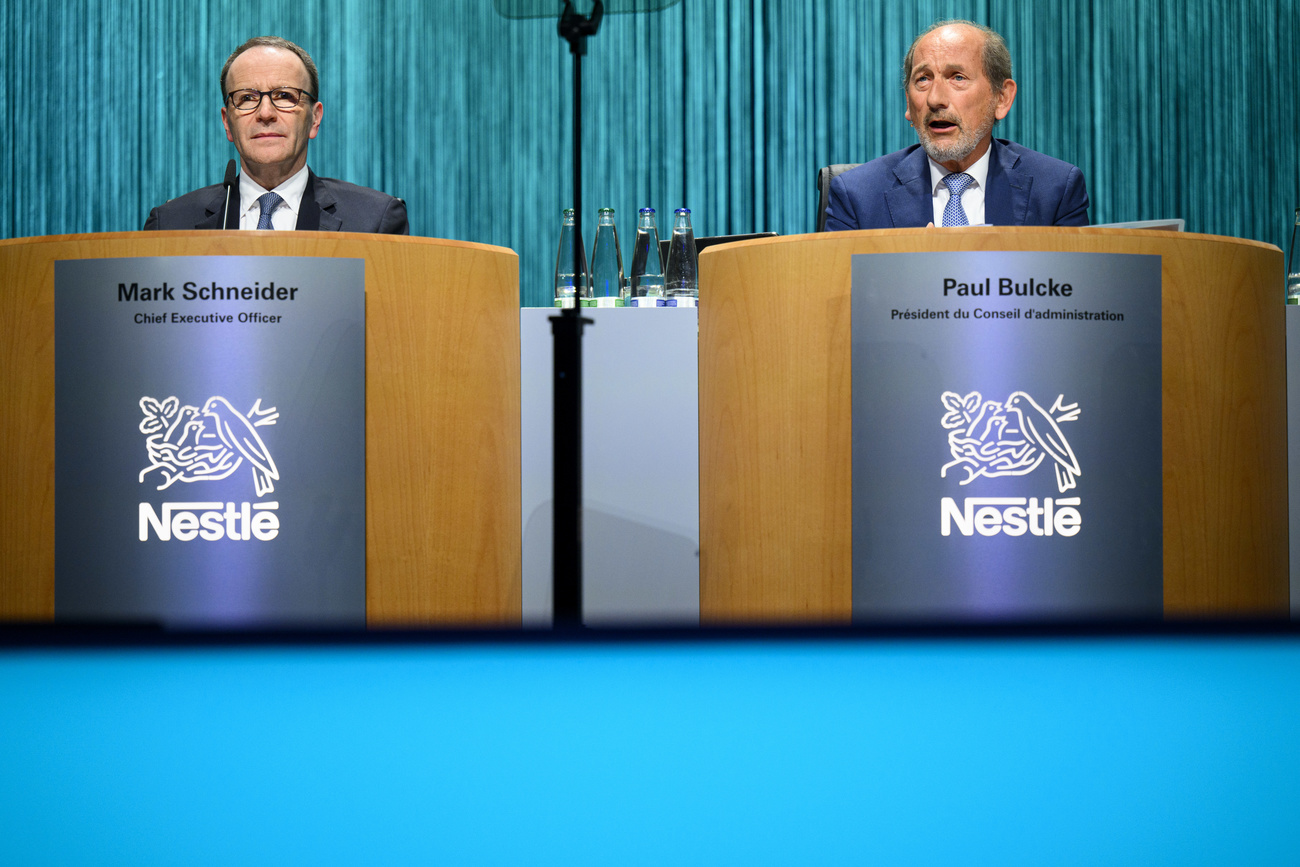
Freixe wants to drive forward “operational excellence”. To this end, he is investing in marketing and cutting costs. The medium-term targets are being lowered.
According to a statement issued on Tuesday, Nestlé will increase its investment in advertising and marketing activities to 9% of sales by the end of next year. These currently stand at around 8%. In this way, Nestlé intends to drive growth, as the company announced at its Investor Day on Tuesday. Based on annual sales of just under CHF93 billion in 2023, this would be CHF1 billion more than before.
The company will “make targeted investments in successful brands and growth platforms, focus innovation activities even more strongly to achieve a greater impact and systematically address underperforming areas”, it said.
More
More
Nestle Chair says CEO change was prompted by growth concerns
This content was published on
The abrupt replacement of Nestle SA’s chief executive officer was prompted by worries over the food and beverage company’s growth outlook, Nestlé Chair Paul Bulcke told Swiss newspaper Le Temps.
“Nestlé’s strengths lie in our global reach and our outstanding ability to generate demand for our products and execute our strategy in our markets,” CEO Freixe is quoted as saying in the press release.
Cost-cutting measures and spin-off of water business
Nestlé intends to finance the additional investments this will entail through rigorous cost-cutting measures. In addition to the savings activities already underway, management intends to make additional savings of at least CHF2.5 billion by the end of 2027.
As a further measure, Nestlé will run its water division as an independent unit in future, similar to Nespresso, for example. As of January 1, 2025, the business with water and so-called “premium beverages” will become a separate, global division. Muriel Lienau, who already heads Nestlé Waters Europe, will take over the management.
The new management of the water division will “evaluate strategies for this business area”. Partnerships are possible, for example, “so that Nestlé can fully realise the potential of its renowned brands and growth platforms in this division”, according to the press release.
As Freixe has already emphasised several times since taking office in August, he also wants to accelerate Nestlé’s digital transformation. Nestlé is to become “an end-to-end connected company driven by data and AI”.
Lower medium-term targets
The medium-term targets have been lowered. Nestlé now expects organic sales growth to be “4% plus in a normal business environment”. The underlying operating profit margin is expected to be “17% plus”.
For the current year, however, the company confirms its previous targets of organic sales growth of “around 2%”, an underlying operating profit margin of “around 17%” and “virtually unchanged underlying earnings per share growth at constant exchange rates”.
For the coming year, management is forecasting an improvement in organic sales growth compared to 2024. However, the underlying operating profit margin will be “moderately” below the 2024 target of “around 17%”.
Translated from German by DeepL/mga
This news story has been written and carefully fact-checked by an external editorial team. At SWI swissinfo.ch we select the most relevant news for an international audience and use automatic translation tools such as DeepL to translate it into English. Providing you with automatically translated news gives us the time to write more in-depth articles.
If you want to know more about how we work, have a look here, if you want to learn more about how we use technology, click here, and if you have feedback on this news story please write to english@swissinfo.ch.
More
Swiss foreign minister calls on Moscow to end Ukraine war
This content was published on
It’s high time Moscow ended its war against Ukraine, Swiss foreign minister Ignazio Cassis tells the UN Security Council.
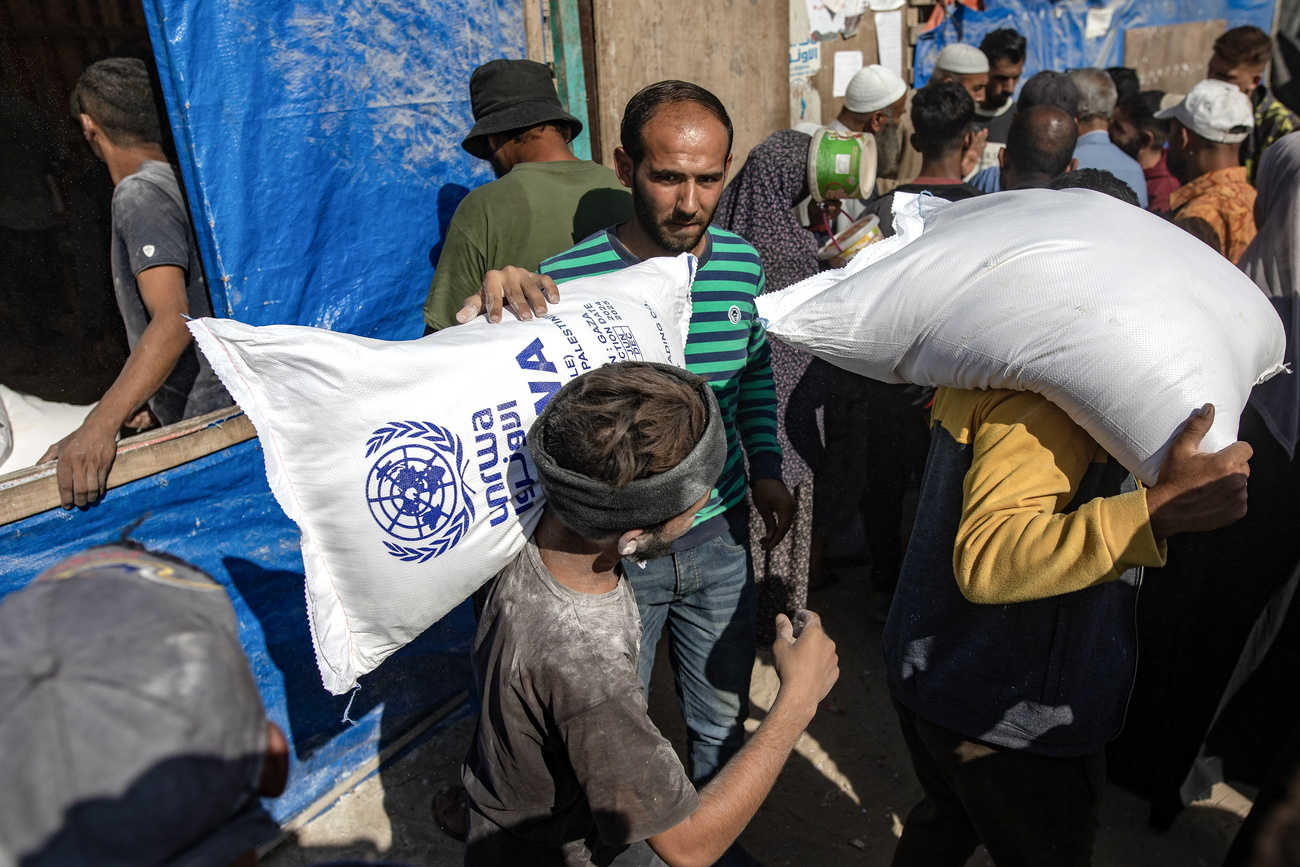
The only alternative to the UN Palestinian agency’s work in Gaza is to allow Israel to run services there, Philippe Lazzarini, UNRWA Commissioner-General, told reporters in Geneva on Monday.
Study reveals food culture differences between Switzerland and neighbours
This content was published on
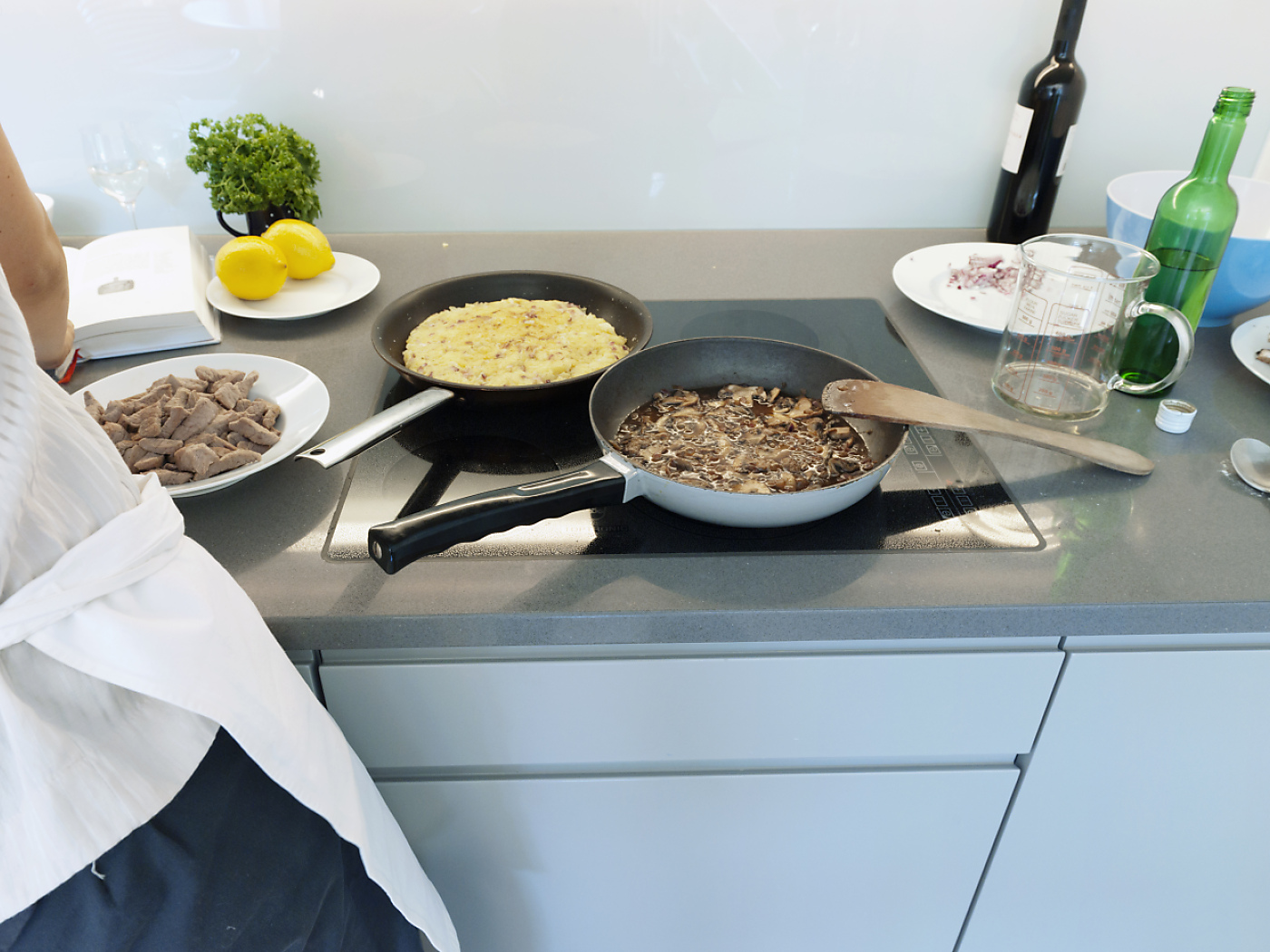
Three-quarters of Swiss people consider eating to be a pleasurable, social activity, a new survey reveals. Healthy eating, however, plays a much less important role, it found.
Precious archaeological vases and coins returned to Italian museum
This content was published on
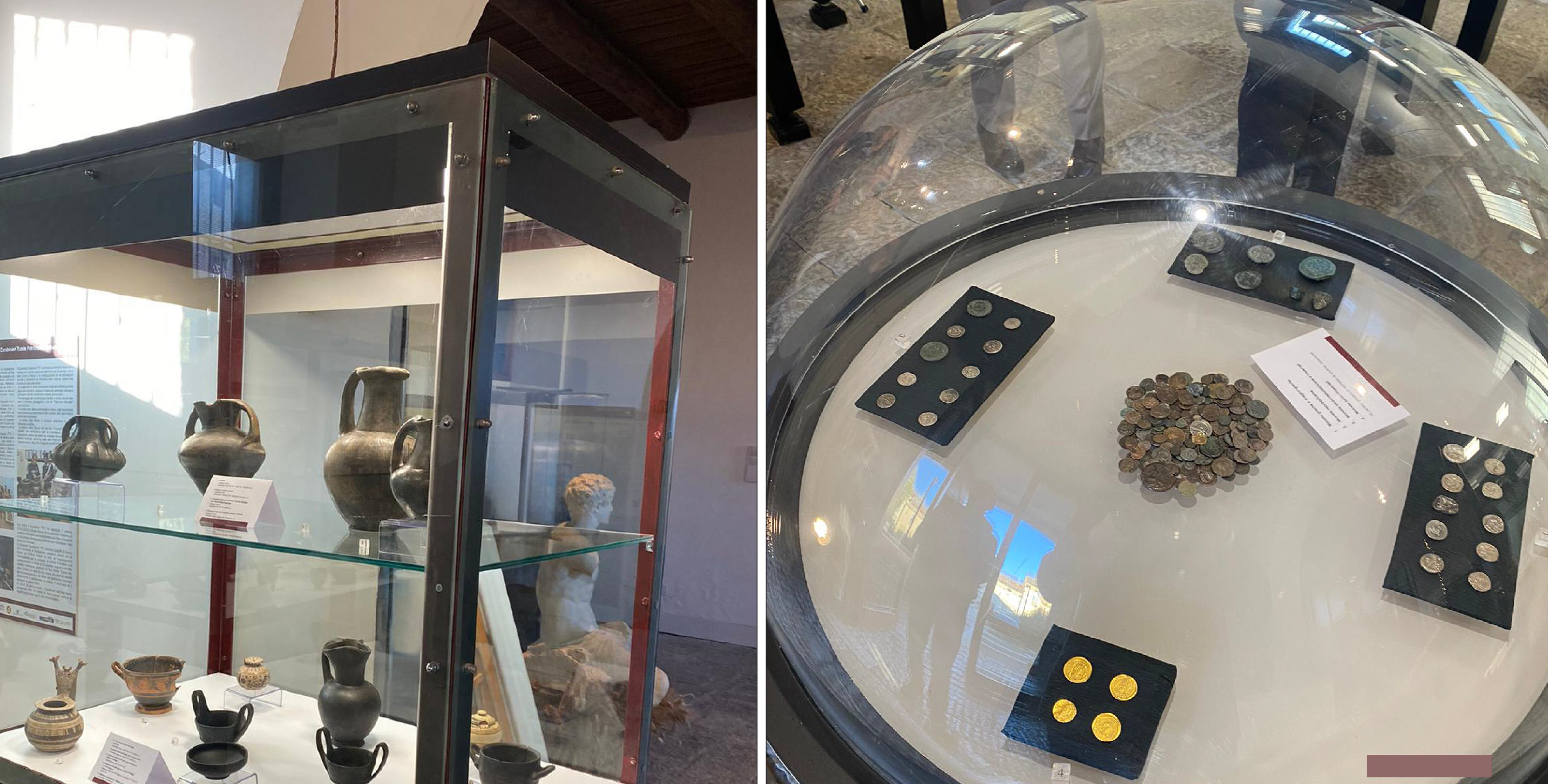
The Italian authorities have recovered over 2,500 precious ancient coins, vases and small sculptures that had been illegally dug up and sold in Switzerland, Eurojust announced on Monday.
The consumption of antibiotics has risen in Switzerland since the Covid-19 pandemic. However, compared to other European countries the Alpine country has one of the lowest levels of antibiotic usage.
Swiss financial watchdog foresees greater uncertainty due to geopolitics
This content was published on
The Swiss financial sector will face greater uncertainty due to the numerous geopolitical conflicts around the world, warns the Swiss Financial Market Supervisory Authority (FINMA).
Swiss museums to mark centenary of death of painter Félix Vallotton
This content was published on
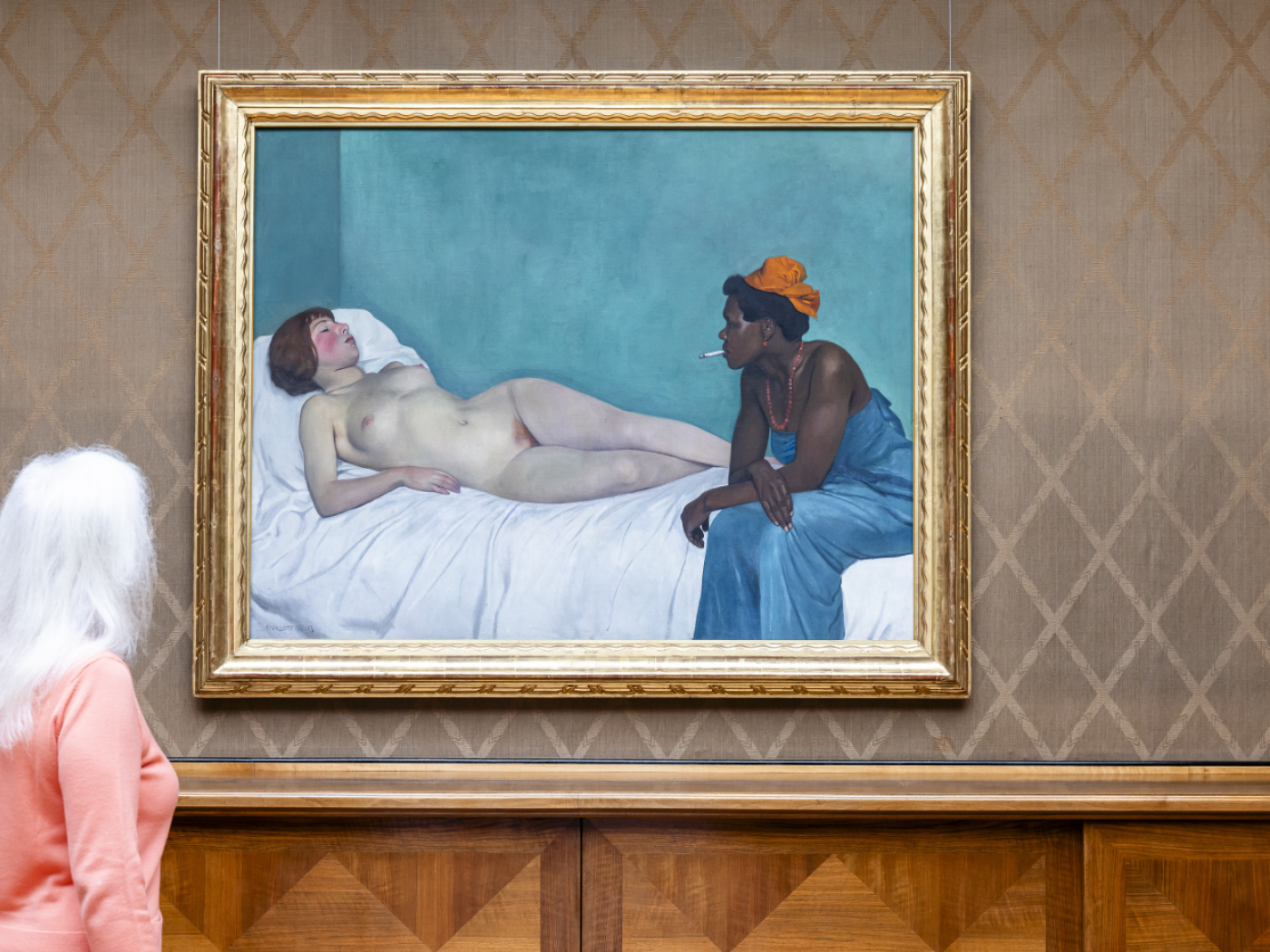
Swiss museums will celebrate the centenary of the death of the artist Félix Vallotton (1865-1925) next year. A major retrospective is planned in Lausanne, his birthplace, in autumn.
Russian mission installs more ‘spy’ antennas in Geneva, Swiss TV report claims
This content was published on
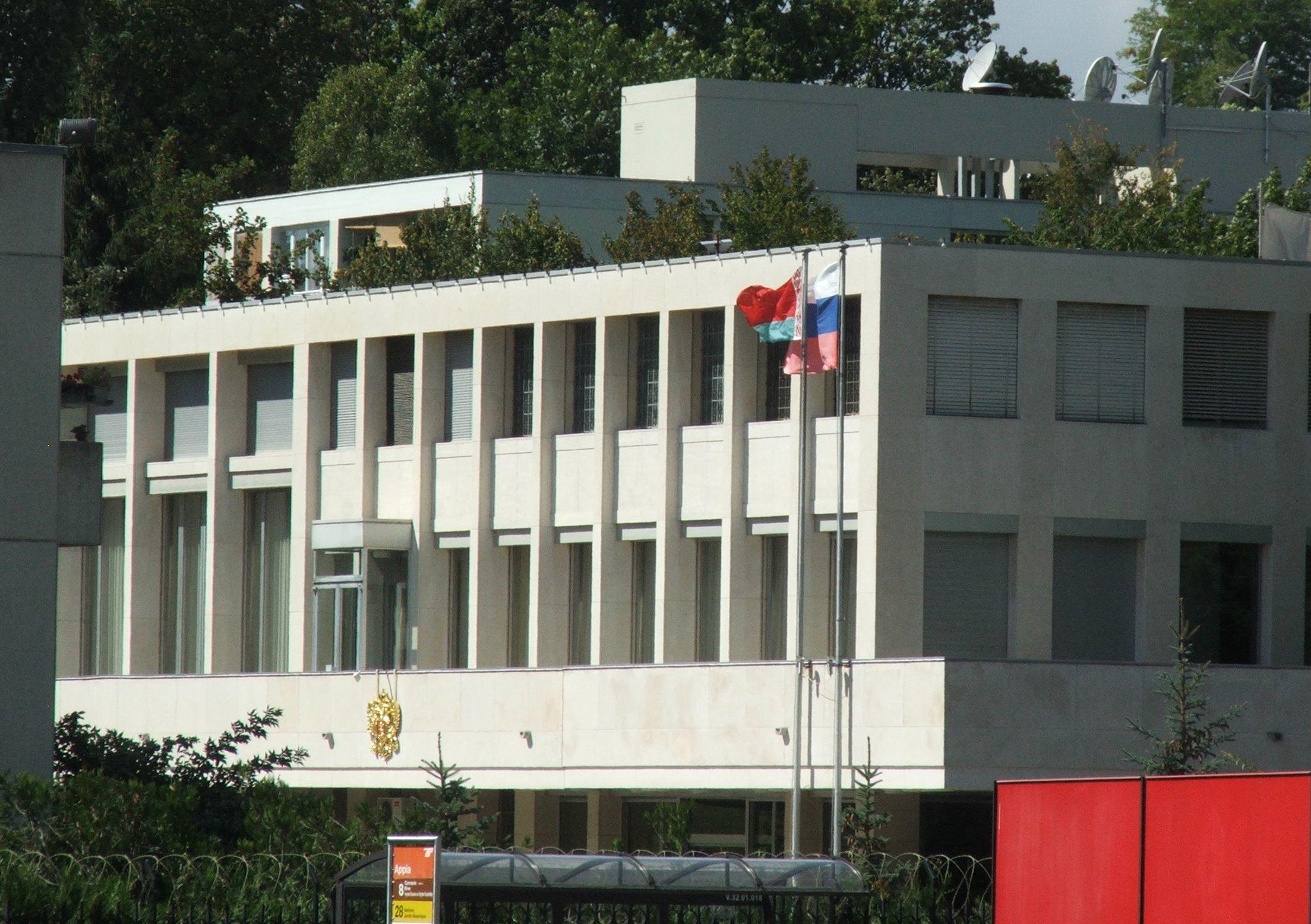
Russian spies are strengthening their presence in Geneva, according to a report by Swiss public television, RTS. Russian officials have placed new satellite dishes on their diplomatic buildings without authorisation.
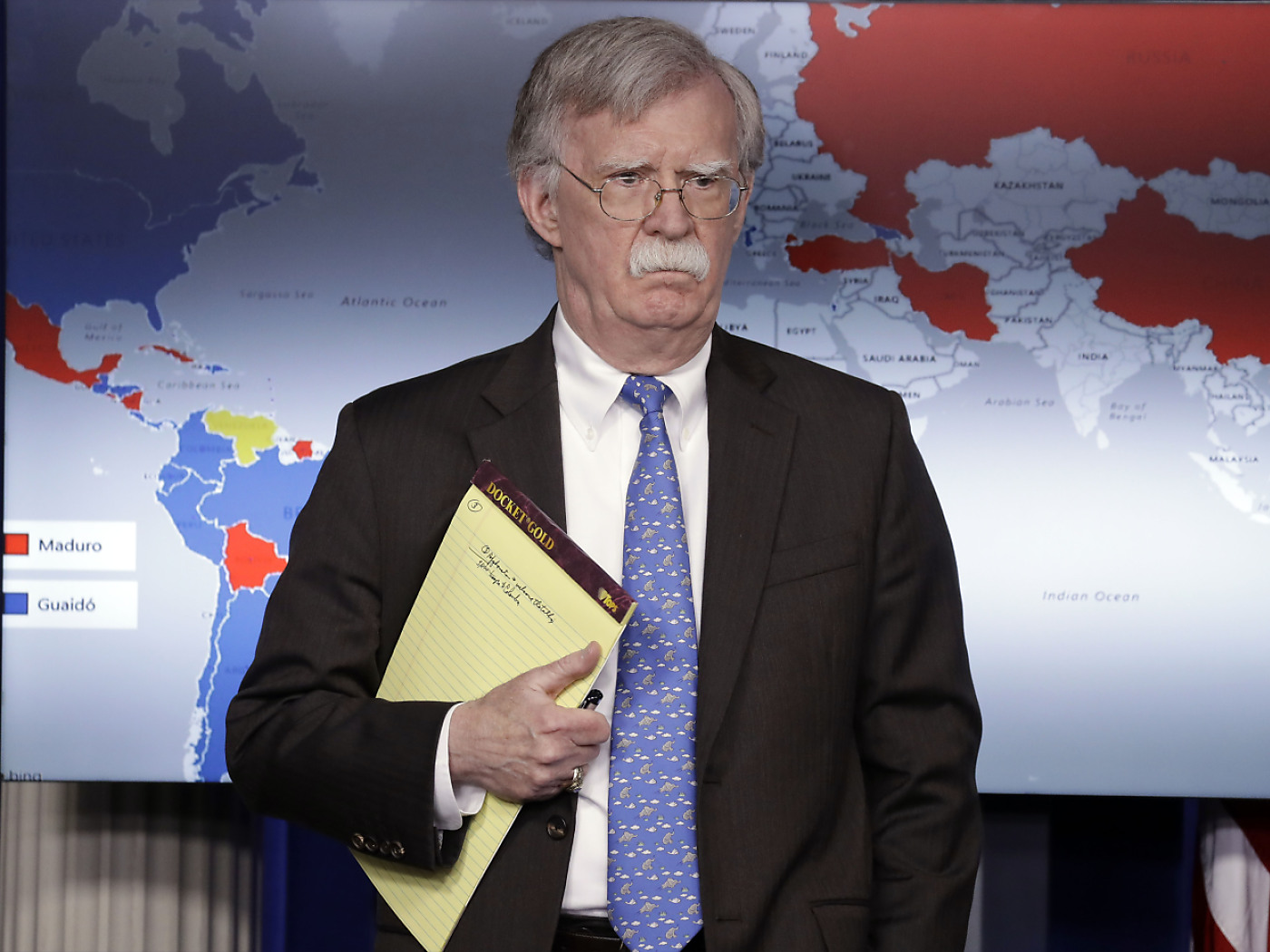
Switzerland should join NATO, as in the future it cannot rely on its long-standing tradition of neutrality for its defence, John Bolton, Donald Trump’s former national security adviser, declared in an interview on Sunday.