


The promises were made at the opening of the Financing for Development Conference (FFD4), currently underway in the Spanish city of Sevilla, when delegates agreed on the Sevilla Commitment.
During the conference UN News spoke to Li Junhua, the UN Under-Secretary General for Economic and Social Affairs and Secretary-General of the international summit.
Li Junhua: The adoption of the Sevilla Agreement was an exceptional moment at an event which has brough together some 60 Heads of State and Government and seen 130 major initiatives announced as part of the Sevilla Platform for Action, which is aiming to implement the outcome document and turbocharge financing for sustainable development.
A record number of business leaders from various sectors actively participated in and positively contributed to the entire process and to the outcome of Conference. They all committed to supporting the implementation of the new roadmap.
UN News: What benefits do you think vulnerable communities in developing countries can look forward to, as a direct result of the decisions made here in Sevilla?
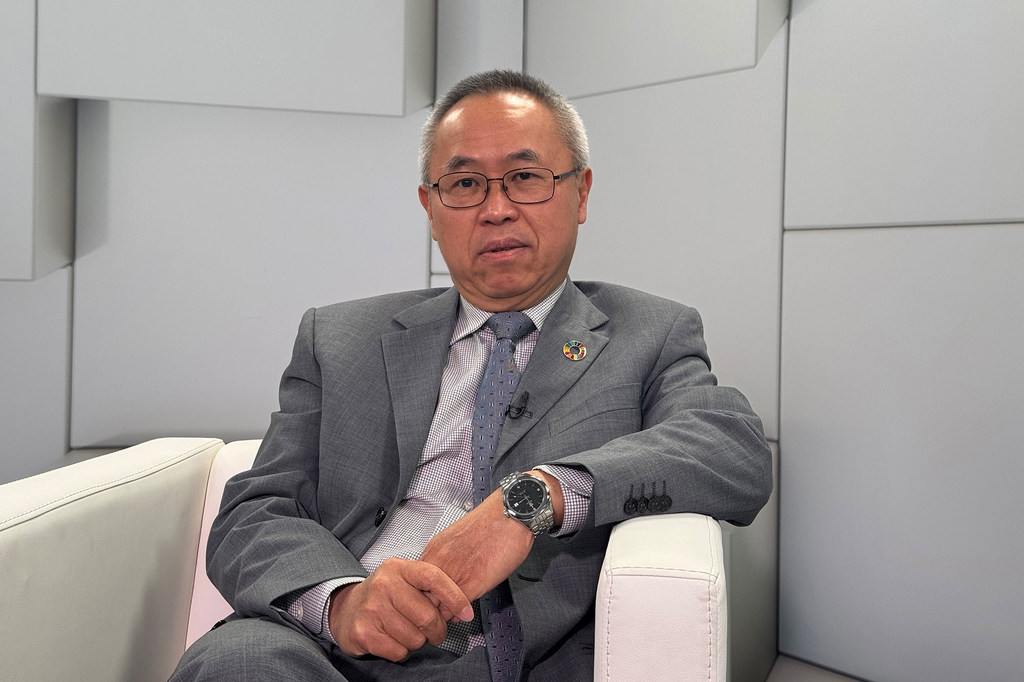
Li Junhua, UN Under-Secretary-General for Economic and Social Affairs.
Li Junhua: The Sevilla Commitment firmly recognizes that poverty eradication is indispensable to achieving sustainable development. This is the most essential point for all the developing countries. It proposes a package of actions for a large-scale investment push for the Sustainable Development Goals (SDGs) in the long run. This includes boosting investment in vital areas such as social protection systems, agrifood systems and inclusive, affordable and quality health systems.
Furthermore, it aims to strengthen the global response to crises which affect vulnerable communities the most. For instance, it calls for the implementation of the decision concerning climate finance agreed at the UN Climate Conference in Baku, and also the fund for responding to Loss and Damage.
To me, significant steps and commitments have been made to support countries in special situations to close the significant infrastructure gap in critical sectors. The most vulnerable populations can benefit significantly by gaining essential services and employment opportunities generated by, for instance, energy, transport, ICT [information and communication technology], water and sanitation infrastructure development.
Last but not least, there is a strong resolve to expand access to financial products and services across society, particularly for women, youth, persons with disabilities, displaced people, migrants and other persons in vulnerable situations. These are very tangible outcomes for vulnerable communities.
UN News: In what ways is this conference a real test of multilateralism, at a time when it’s under more strain than ever, and with a deeply uncertain global economic outlook?
Li Junhua: This conference is a critical test of our ability to solve problems together.
We know that, at its core, the sustainable development crisis is a crisis of funding and financing. We need to tackle these challenges to bring the SDGs back on track, but it is far from easy. Commitments on development finance directly impact national budgets, and reforming the international financial architecture will inevitably shift the power dynamics between States.
The fact that Member States adopted the Sevilla Agreement by consensus sends a powerful signal that multilateralism can still deliver. Of course, the real challenge now lies in translating these commitments into actions. So I would say that, ultimately, success depends on the collective efforts of all Member States and all stakeholders.


