


If the Swiss voters backed the right-wing proposal to curb the number of foreigners coming into Switzerland it would have a “disastrous” effect on the country’s universities, an expert warns.
The Swiss People’s Party’s (SVP) controversial ‘No to 10 million’ initiative seeks to drastically reduce the influx of foreigners to Switzerland, so that the country’s population doesn’t exceed the 10-million mark, which the populist party says will overburden key infrastructure, such as housing, public transport, the health system, and schools.
It has sparked opposition from the Federal Council, the Parliaments, economists, employers’ organisation, trade unions, and a multi-party coalition, all of whom are sounding the alarm about the consequences such as measure would have on Switzerland’s economy and relations with the European Union.
READ MORE: Who is leading the fight in Switzerland against the anti-immigration proposal?
Now one more voice is added to the massive opposition
According to Luciana Vaccaro, president of “Swissuniversities”, an umbrella group for higher-education institutions, accepting this measure in a referendum on June 14th would have a ‘‘disastrous’ effect on Switzerland’s universities.
The reason: “About half of the professors at our universities are foreign nationals,” she said.
In fact, the proportion of professors who come from abroad is even higher at top universities.
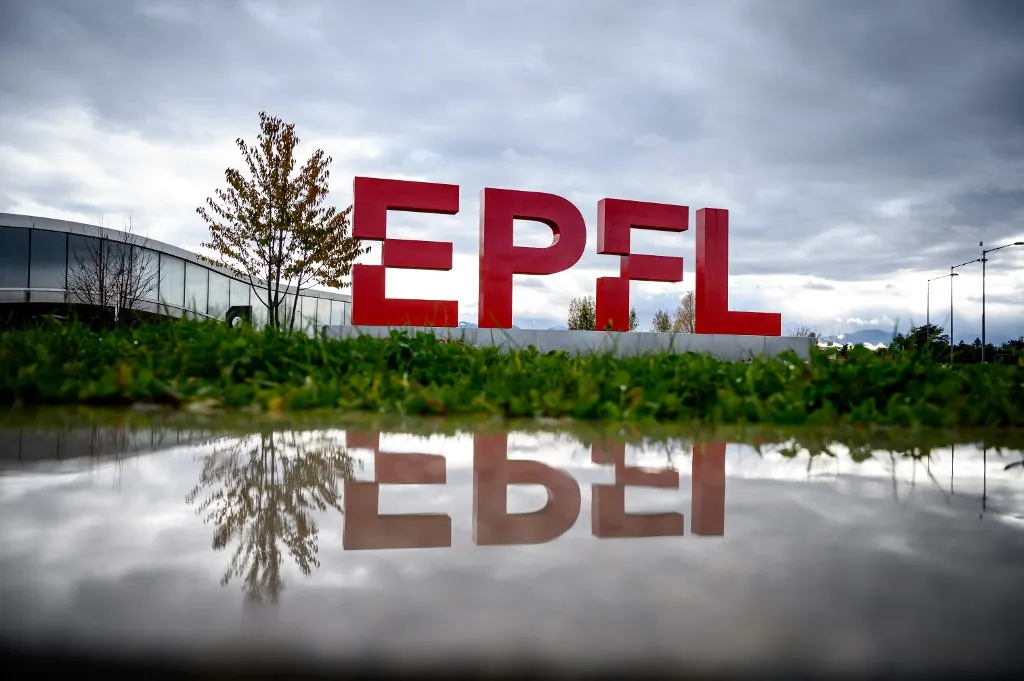
For instance, the Federal Polytechnic Institute of Lausanne (EPFL), “maintains a highly international faculty, with a significant majority of its professors coming from outside Switzerland,” – 82 percent.
And at its sister school, the ETH in Zurich, 65 – 70 percent of all professors are foreign nationals, with the proportion reaching as high as 83 percent among assistant professors.
Advertisement
Impact on research as well
Furthermore, Vaccaro pointed out that Swiss universities are among the best in the world because they attract top researchers from abroad and establish international partnerships.
That has been possible, in large part, because of the bilateral treaties – namely the Free Movement of Persons agreement – that Switzerland has with the European Union.
The acceptance of the SVP’s proposal would, however, put this agreement at risk; that would effectively end Switzerland’s access to EU research programmes, diminishing the country’s international competitiveness.
“If we are required to terminate agreements related to the free movement of persons, we risk once again being excluded from Horizon Europe, Erasmus+, Digital Europe or Euratom – some of the world’s leading research programmes,” Vaccaro said.
“That would be devastating to Switzerland,” she added.


