


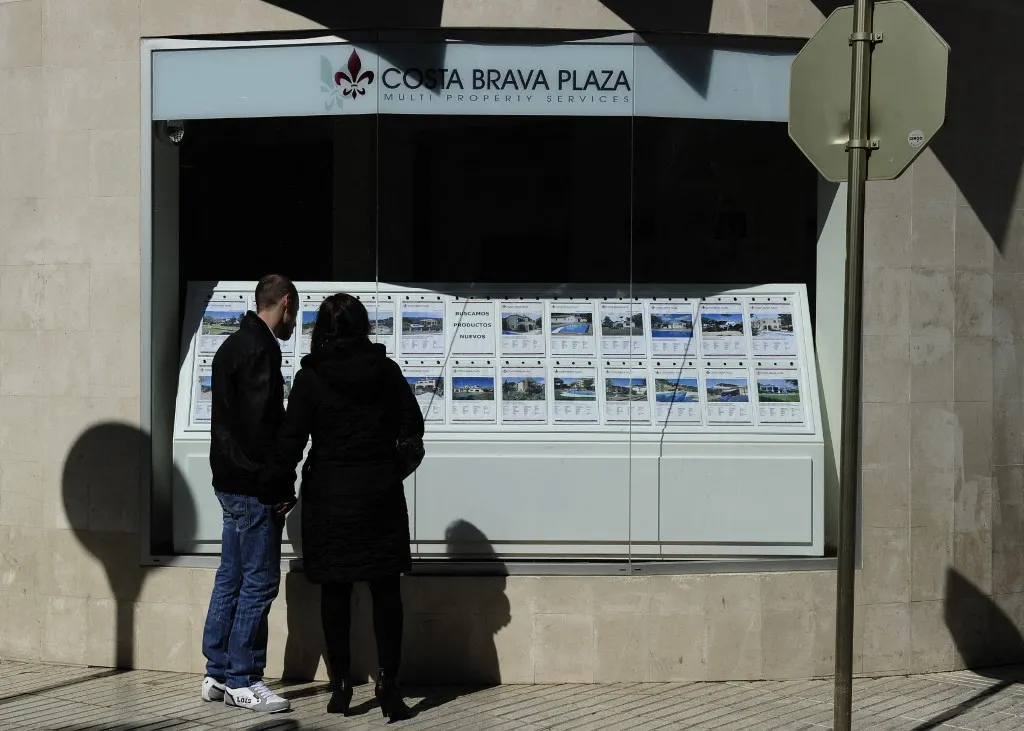
It may seem like the ongoing conflict between Iran and the US and Israel is happening far away, but it’s already starting to affect life in Spain, including the property market.
Fuel prices have increased as a result of the war, food costs could possibly rise, and travel and logistics have been delayed or modified.
Could this also affect those looking to purchase a property in Spain?
Unfortunately, the answer is yes, many experts that it could affect factors including mortgage rates, construction costs and housing prices.
READ ALSO: How will war in Iran impact life in Spain?
One of the first points that the war is likely to affect when it comes to property are mortgage rates.
Over the past few years mortgage rates in Spain have been very competitive and the conditions have been very attractive for buyers, fuelling an uptick in purchases.
The mortgage market closed 2025 with the best figures in 15 years according to property portal Idealista. This year Spanish banks were also gearing up for their strongest year of mortgage lending since 2008.
The uncertainty surrounding the war in Iran, however, could mean interest rates will rise.
CaixaBank’s CEO, Gonzalo Gortázar, said recently that the war is causing “greater strain, which, “suggests that long-term interest rates will push mortgages to higher levels”.
He told newspaper El Economista that war is a “worrying situation for everyone” because it represents a “tragedy” that will also have consequences for energy prices both domestically and internationally.
READ ALSO – ‘No to the war’: Spain’s PM defies Trump as rift with US deepens
Advertisement
Already, the Euribor, the rate to which variable-rate mortgages are linked, registered its biggest daily increase in the past week since August 2022.
This sharp rise is down to the fact that experts predict that the European Central Bank (ECB) will implement its first interest rate hike at its monetary policy meeting at the end of April.
Christine Lagarde, President of the ECB, however, said recently: “I can assure you that we will do everything necessary to keep inflation under control and ensure that Europeans do not suffer inflationary spikes like those we saw in 2022 and 2023”.
Other experts are looking ahead to see how the war may affect the Spanish property market as a whole.
José María Alfaro, president of the National Federation of Real Estate Associations said: “If this war situation leads to higher interest rates for a longer period or a tightening of mortgage lending, we could see a temporary cooling of housing demand, especially in the segment of buyers most sensitive to financing”.
He also believes that the increase in the cost of oil and gas could raise construction costs, impacting both developers and buyers. “If families’ purchasing power suffers, the home buying process will slow down and some new developments will become more expensive,” he added.
READ ALSO: What will happen to property prices and rents in Spain in 2026?
Advertisement
José García Montalvo, Professor of Economics at Pompeu Fabra University in Barcelona also agreed, saying that the increase in construction costs could mean “high final prices for the average family”.
Alfaro believes, however, that the war will not affect property demand because there is still a big housing deficit in Spain.
“Even in a complex international scenario, residential demand will persist,” he told El Economista.


