


Switzerland is blessed with a huge variety of lakes and rivers that are perfect for bathing and swimming. But with a number of fatal incidents already hitting the news this summer, we look at the best way to swim in safety.
On average in Switzerland, 45 people die from drowning each year, according to the Swiss Lifesaving Society (SLRG), whose mission is to prevent swimming accidents.
For instance, three people drowned in Switzerland just during the weekend of July 20th – 21st, 2024: two died in the lakes in Zug, and a 15-year-old teenager was found lifeless in the Limmat river in Zurich.
While there are no official statistics explaining the causes of drowning accidents in Switzerland, the World Health Organization (WHO) lists poor swimming skills, medical conditions, and unfamiliarity with the risks of being in open water, among the main factors.
In general people need to take care when jumping into lakes and rivers if they in unsupervised areas. If the water is cold swimmers, even strong ones, can suffer from the phenomenon known as “cold water shock”.
This can be avoided by submerging yourself slowly, rather than diving or running in, to give your body time to adapt. You can also splash water onto your face as you enter.
In the vast majority of cases there are ways to prevent such tragic accidents from happening.
This is what the SLRG suggests:
Educate and supervise children
Drowning is the second leading cause of fatal accidents among children, a fact that should raise red flags for any parent.
While not leaving young kids alone in the water and supervising them at all times is an obvious recommendation, education is all-important as well.
Advertisement
That’s why the SLRG launched a prevention project called “Water and Me,” to familiarise children, aged 4 to 7, with the correct behaviour to adopt in and around water, in order to minimise the risk of swimming accidents.
But parents have a major role to play as well, beyond mere supervision. It is important that children have swimming lessons from an early age to learn water safety skills and reduce the risk of drowning.
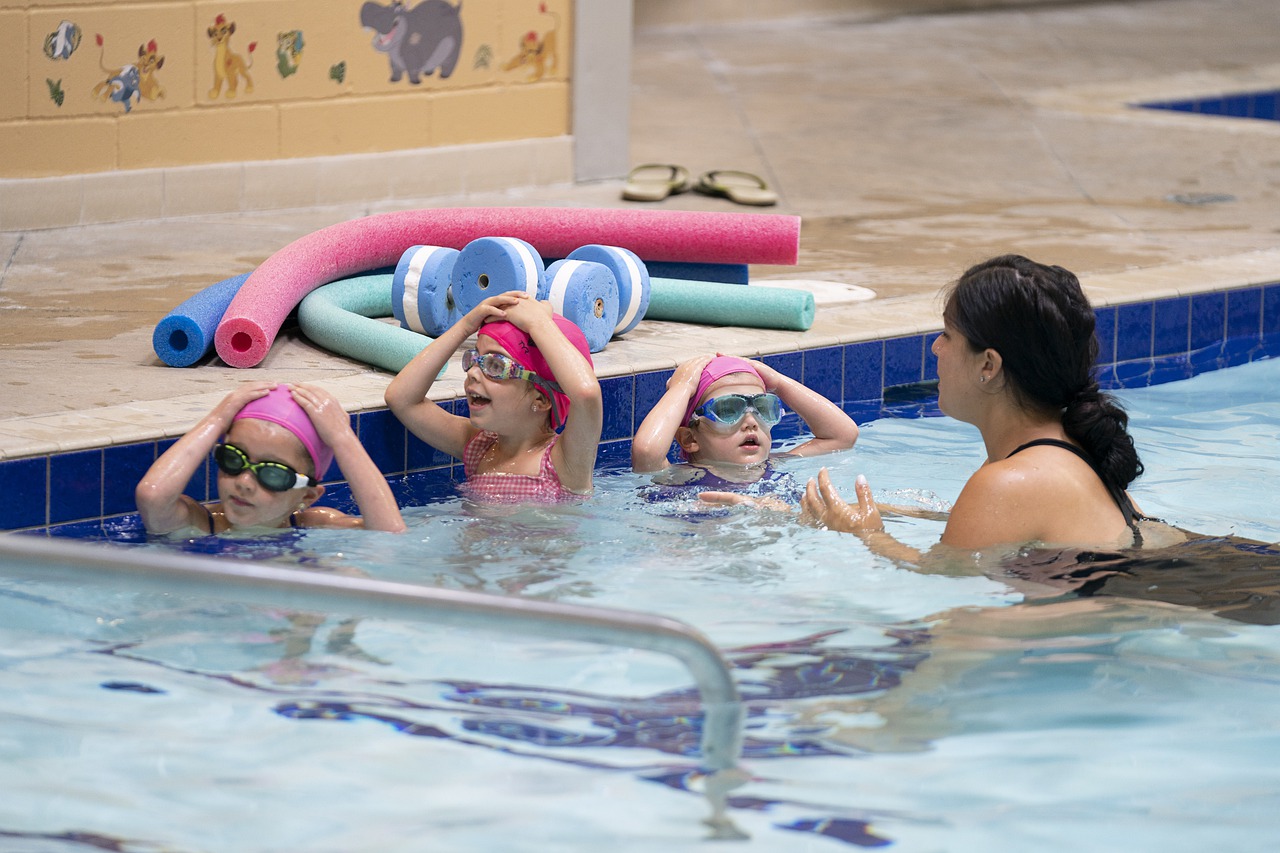
The earlier children learn to swim the better. Photo: Pixabay
And this advice extends to adults as well. If you have not learned to swim as a child, it is never too late (or too early) to take lessons.
Even if you manage to do some laps, it is still good to refresh whatever skills you may have.
As is the case with children, in the very least you will learn some important water safety techniques to use in case of necessity.
Avoid alcohol
This should go without saying — just as you should not drive after drinking, you should not swim under the influence of alcohol either.
Even if you are a good swimmer, alcohol may dull and slow down your senses, making you less alert and aware of dangers in the water.
Not only you might neglect any warning signs — such as loss of control, for instance — but you could also be unable to react to these dangers quickly enough.
Go slow
This is especially important in very hot weather.
If you are overheated, you may want to just jump into the river or lake to cool down.
Advertisement
But this could cause a condition called ‘cold water shock’, characterised by changes in breathing, heart rate and blood pressure; if that happens, you are at a risk of drowning, even if you are a good swimmer.
Therefore, you should first drink sufficient amount of water and lie in the shade to cool your body before going to swim.
Leave the airbed on shore
If you’re heading into deep water, don’t use an airbed or swimming aid, since they offer little protection and might give you a false sense of security.
It is better to use them in confined spaces like swimming pools rather than in open waters such as lakes and rivers.
Swim with a friend
You may consider yourself a strong swimmer, but it’s best to never swim long distances alone. Even the best swimmers can experience a moment of weakness.
By the same token, avoid secluded places.
Though you may find it relaxing to get away from the crowds, when it comes to swimming, there is safety in numbers.
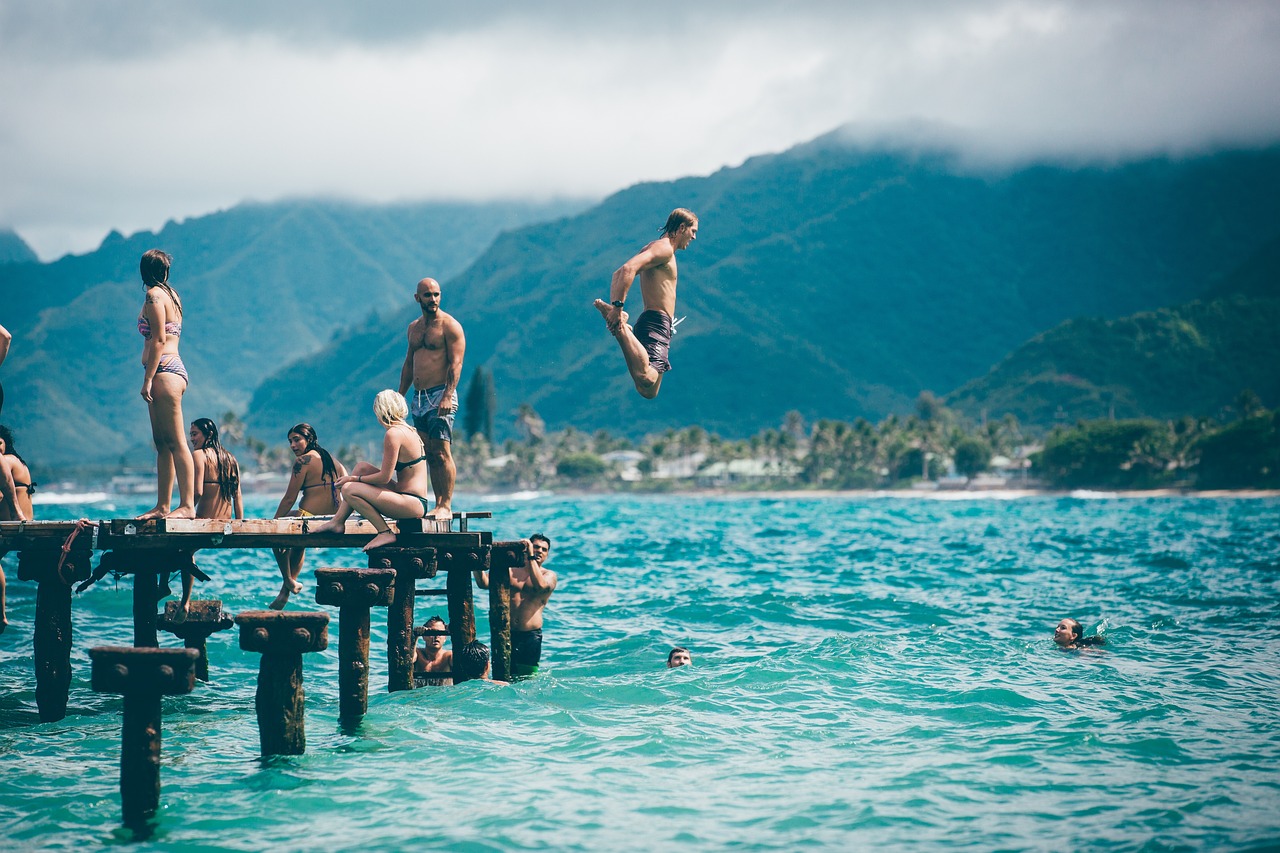
Make sure you don’t swim in secluded places. Photo: Pixabay
Keep an eye on the weather
Even the best of swimmers should never be in the water in a storm or other inclement weather.
You may find yourself in a situation where you can no longer get to safety, and there will likely not be anyone around to rescue you.
Many Swiss lakes have a warning system of flashing lights to indicate that you should get off the water straight away.
Stick to designated areas
Don’t go swimming in areas of a lake where there are boats, ferries or other vehicles – it’s best to stick to the designated swimming areas.
If you comply with the rules and use common sense, there’s no reason why you can’t enjoy the wonderful array of places to swim in Switzerland this summer, whether it be a drift down the Aare river, a dip in Lake Geneva, or a swim off the rocks in the beautiful Verzasca valley.


