


If eating and drinking what the locals have and paying the right price for it matters to you, there are several tell tale signs that certain restaurants in Spain are tourist traps and only in it for the money.
Unfortunately, Spain is full of tourist traps, particularly at well-known resorts or really popular cities, and the places you’re most likely to fall for them are at restaurants.
Restaurants that offer bad quality or inauthentic food, overcharge, and give bad service can all be considered tourist traps, but luckily there are several ways to easily spot these types of places and avoid them.
Here are the things you need to look out for that are considered red flag warnings.
Restaurants that have pictures of the food outside
This is one of the first golden rules when picking a restaurant in Spain. Generally, places that have photos of the food on the menu outside aren’t the best. This is particularly true if they have pictures of different types of branded paellas. It usually means the paellas are bought in and frozen and are only reheated for you to eat. Pictures of tapas, combo meals or anything similar is also considered a bad sign.
READ ALSO – 12 tricks some bars and restaurants in Spain use to overcharge you (and how to avoid them)
Restaurants that don’t have any locals dining at them
If you only see tourists eating somewhere and no locals, then you have to ask yourself why. Quite possibly, it’s because the locals know better and are aware of the bad food or service there. They also know where to go so they won’t get overcharged. Add this to the fact that locals know where the most authentic food is, so if you want to try it, follow where they go.
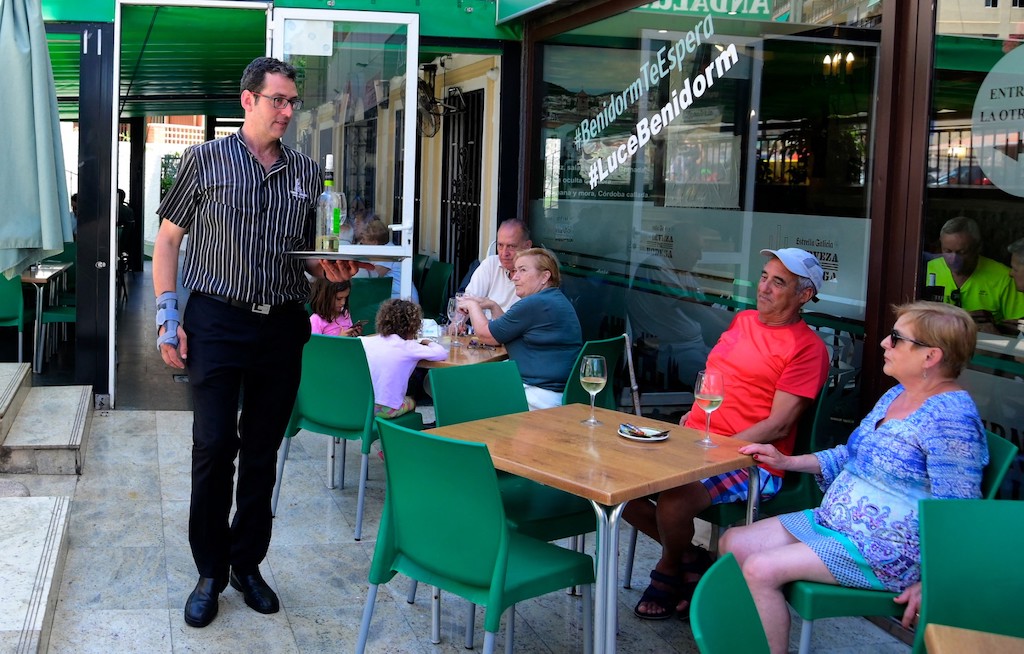
Make sure to eat where the locals eat, not places full of other tourists. Photo JOSE JORDAN / AFP
Restaurants next to major landmarks
It may be convenient to step right outside the Sagrada Família or Madrid’s Puerta del Sol and go to eat, but you’ll be paying for the convenience. Generally if it’s near a major landmark you’ll be overcharged. The food is generally not the best quality either. Step away just a few streets and you’ll find much more affordable and authentic places.
Advertisement
Bars and restaurants that serve drinks in pint glasses
Beer in Spain isn’t served in pints, it’s either served in a small glass called a caña or a tubo, which is a bit bigger, or just a bottle. Any place that tries to serve beer ‘the British way’ for example is considered to be a tourist trap. Be aware as many of these restaurants have begun to serve other drinks in pint glasses too, so will bring you a pint of coke or a pint of ice tea, even when you didn’t ask for it, just to be able to charge you more. This means you’ll be paying around €5 or more for a drink instead of €2.50.
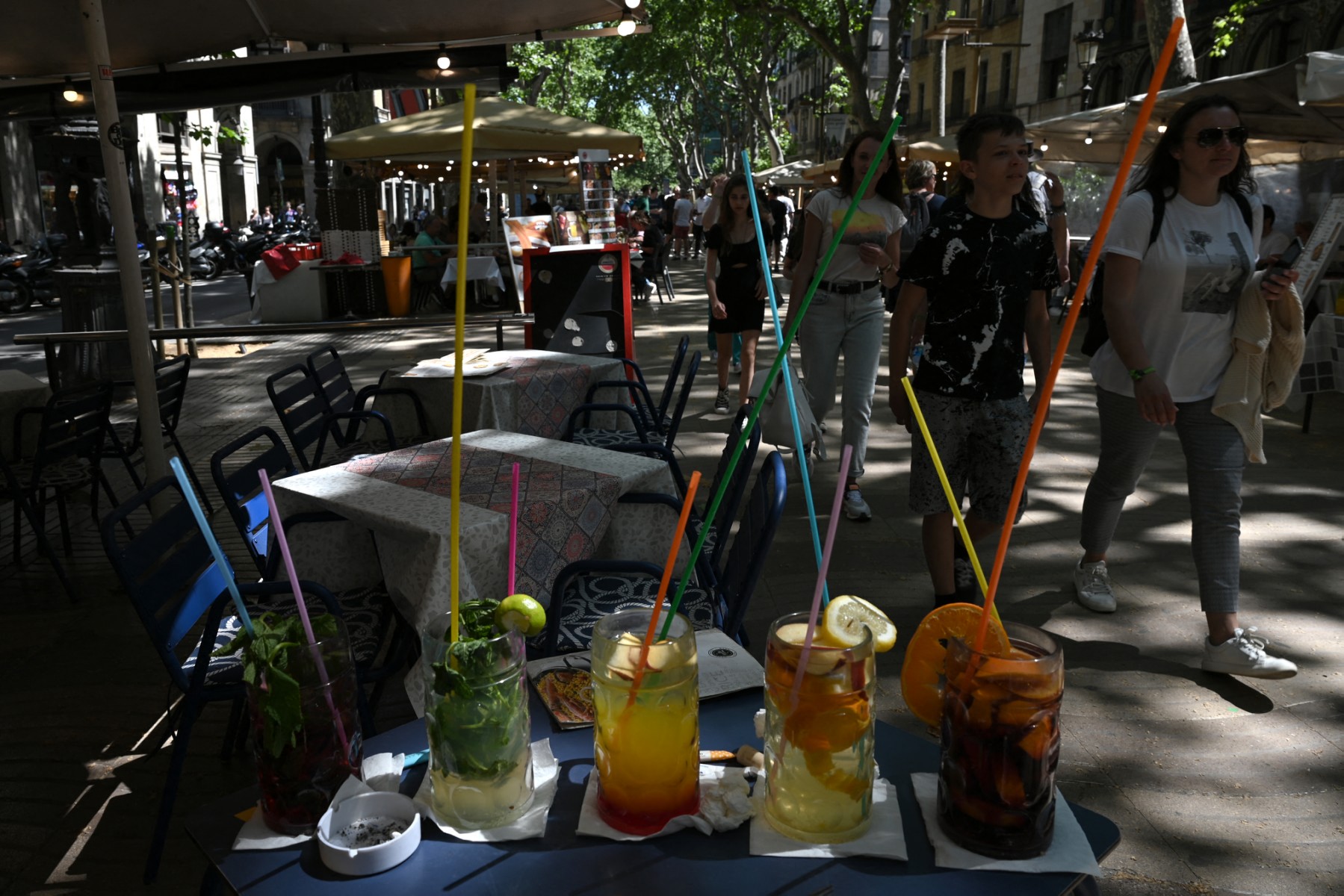
If you eat and drink on Las Ramblas in Barcelona you’ll be given pints of drinks. Photo: LLUIS GENE / AFP
Ones with menus in lots of different languages with their respective flags next to the lists
Of course you want to be able to understand what dishes are on offer and what you’re ordering, but there are those classic tourist restaurants that seem to offer menus in five different languages with little flags above each one. This is a sure sign that a restaurant is a really only for visitors and you won’t find many locals eating there.
Advertisement
Restaurants with a non-stop kitchen
Spaniards have very specific eating hours, and as a consequence kitchens usually only operate for a few hours of the day, even though the establishment may be otherwise open for drinks. Lunch service typically starts from around 1-2pm and ends at 4-5pm, but some restaurants advertise a ‘non-stop’ or ‘all-day kitchen’ where you can get a meal at any time of the day. If they’re willing to serve you lunch at midday or dinner at 7pm for example you can guarantee they’re geared to tourists and locals won’t be eating there. There are of course some exceptions to this rule at big international chains, but generally this is good to remember.
Eateries with waiters outside trying to entice you to come in
Yes you’ve all seen them, restaurants on the most famous streets or strips with waiters all vying for your attention holding out menus and asking if you want to eat. But the truth is, if a restaurant is good, they don’t need people outside trying to entice you in. These are mainly in touristy locations and you won’t often see locals falling for their sales pitch.
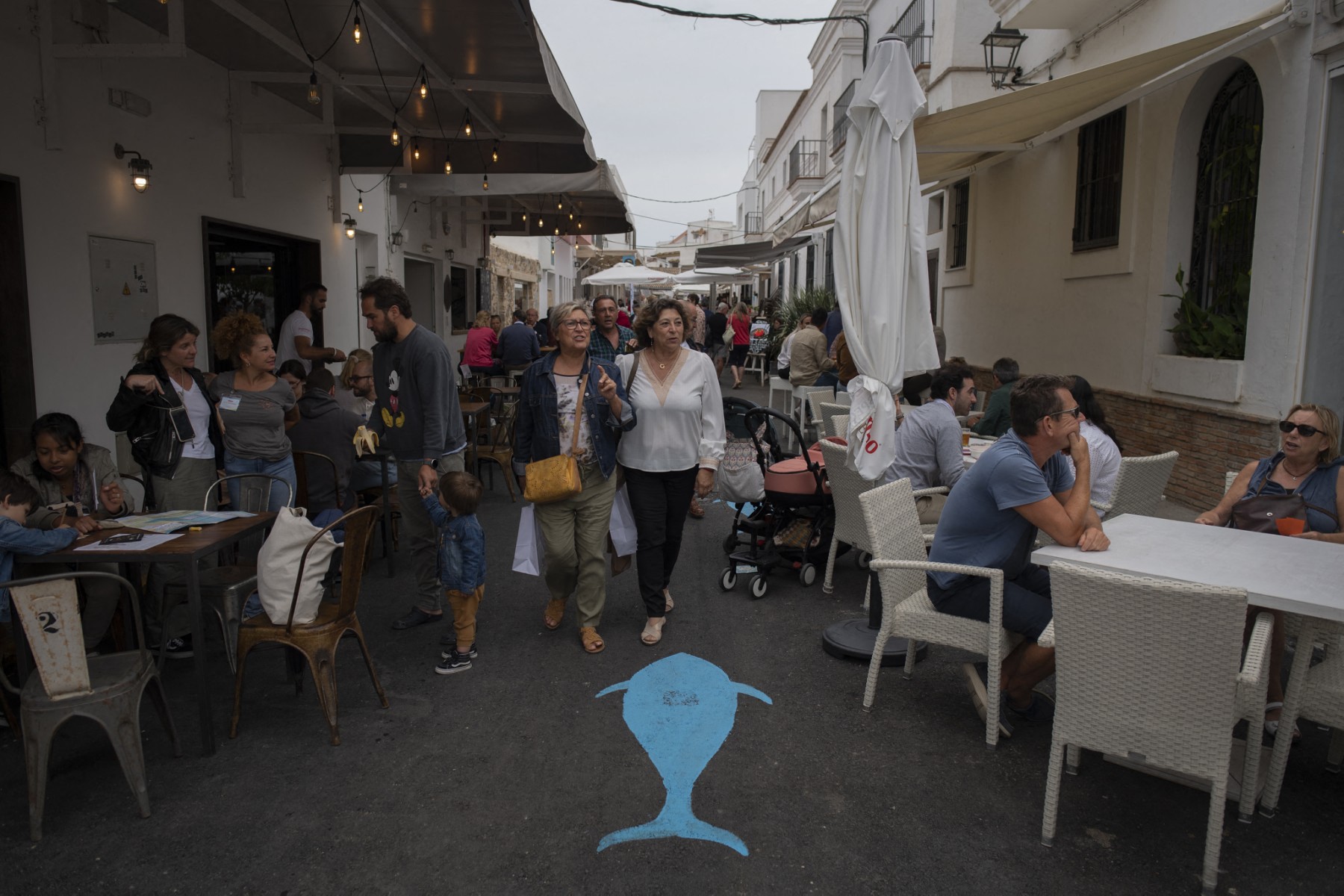
If people are enticing you into the restaurant, it’s best to avoid. Photo: JORGE GUERRERO / AFP
Establishments that serve all types of cuisine
Want paella, pizza and sushi? Some places just have it all, but this isn’t a great sign. Places that seem to offer dishes from all over the world usually don’t do any of them very well. If you want Italian or paella it’s best to stick to restaurants that specialise in these dishes rather than those trying to be everything to everyone.
Advertisement
Bars that serve sangría
But wait, isn’t sangria one of Spain’s most traditional drinks? Wrong. Sorry to burst your bubble, sangria is delicious but it tends to be a drink only enjoyed by tourists. That’s not to say Spaniards never drink it, but more often that not in summer they can be found having a tinto de verano instead. This translates as summer wine and is essentially red wine mixed with lemonade. You may find locals drinking sangria de cava in Catalonia, made with sparkling white cava instead of red wine. If a place is advertising that they have sangria or lots of people are dinking it, it’s most likely a tourist trap.
READ ALSO: Tinto de verano or sangría for the perfect Spanish summer drink?
Establishments right on the beachfront
OK, it isn’t strictly true that all beachfront restaurants are tourist traps, there are some excellent local ones too, but lots of establishments right on the seafront are. The trick is to see if any of these other red flags are true as well as it being right on the beach. So for example, if the restaurant has pictures of the food outside and serves drinks in pint glasses, then it’s a tourist trap for sure.
One more important point, don’t judge a book by its cover or the quality of a bar or restaurant by the way it looks. In fact some of the best most classic tapas bars have paper napkins strewn all over the floor, as it’s common practice to drop them instead of leaving them on the table.


