


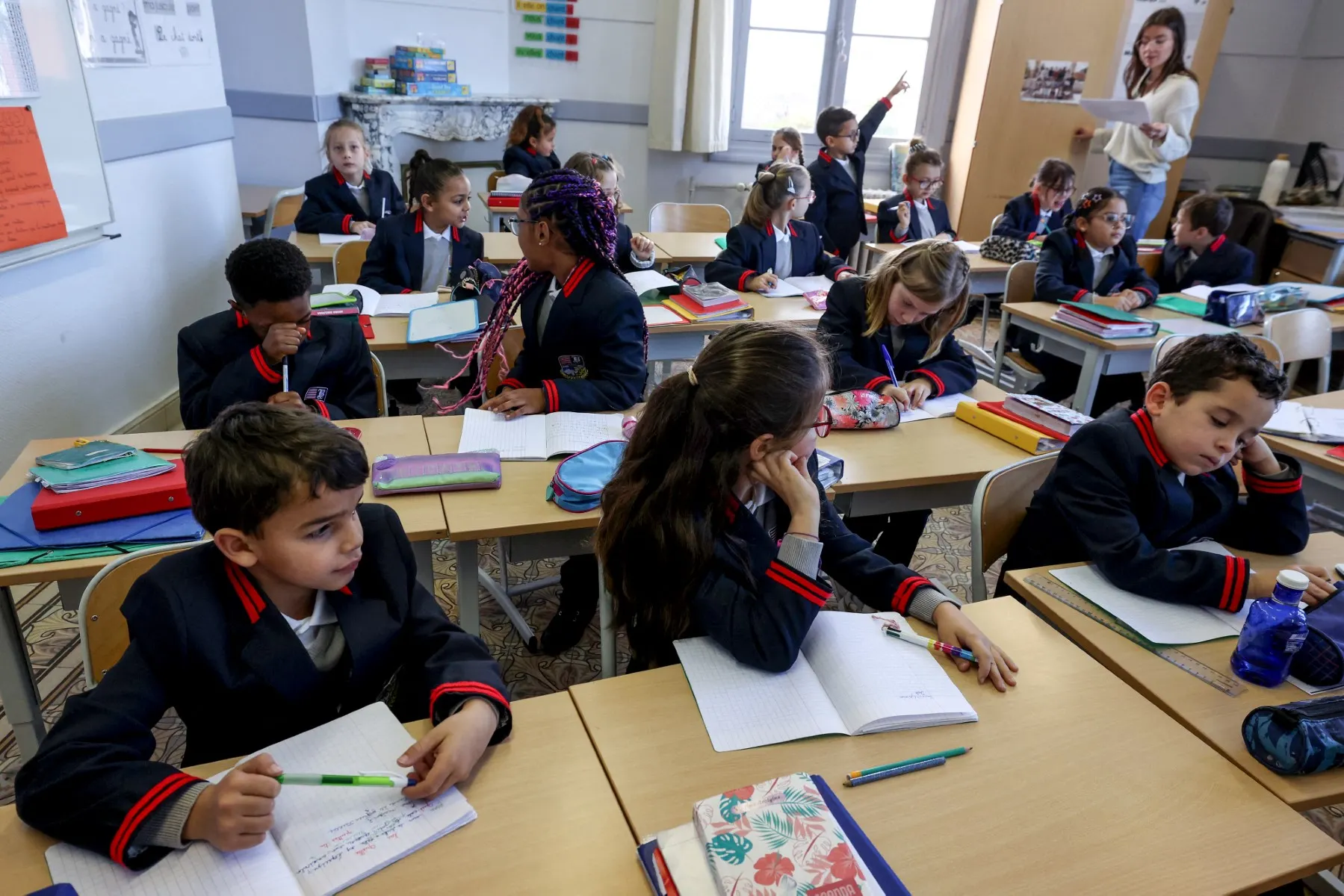
In a look ahead to the sociodemographic and economic future of the country, new figures have shown that Spain’s younger generations are increasingly from immigrant backgrounds.
Spain’s younger generations are increasingly diverse and of immigrant backgrounds, new data has shown.
The total foreign origin population in Spain is almost 12 million people, around a quarter of the total.
Among children under the age of five, four out of every ten children are now of foreign origin, a significantly higher proportion than in older age groups.
In 2024, Spain’s immigrant background population (qualified as born abroad or with at least one immigrant parent) was 36 percent among the under-20s, 32 percent between the ages of 20-29 and 39 percent among the under-5s, showing the importance of immigration to Spain’s demographic, social and economic future.
Advertisement
The figures come from a report by non-profit Funcas released on Wednesday titled From children of immigrants to social protagonists: the second generation in Spain. This comes as Spain’s population and economic growth in recent years has been stimulated by increased migration in recent years, but also as immigration, particularly illegal immigration, has gained political salience.
READ ALSO: Spain’s population keeps increasing due to immigration
But the demographic trends are clear. Younger people in Spain are increasingly diverse and descendants of immigrants.
Among those in their twenties, for example, 16 percent were born in Spain with at least one foreign parent or arrived in the country as a child.
Among those over 30 years of age, those with migrant backgrounds barely represent 2 percent, while among those under 20 years of age they reach 33 percent.
Among the immigrant background generations in Spain, Moroccans are most represented. Thirty-three percent of second-generation immigrants in Spain have two parents born in Morocco.
“The second generation in 2024 presented a profile that was still markedly young, almost exclusively made up of people under 30 years of age,” the study concludes, adding that this population group hardly existed in Spain 25 years ago. “To speak today of the second generation of immigrants in Spain is tantamount to observing the present and anticipating the future of the country’s social structure,” it adds.
The proportion of foreigners overall reaches 36 percent among those under 20 years of age, among whom the majority also belong to the second generation (33 percent). Specifically, 17 percent have two foreign parents, 9 percent have one foreign parent and 7 percent arrived before the age of 11.
Advertisement
The research also reveals notable differences in the employment status of migrant parents. Among children of Spanish-born parents, households with both parents in employment predominate (66 percent), while only 35 percent of second-generation immigrant children do. Fourteen percent live in households where neither parent has a job.
According to another study in the same journal, there’s also significant gaps in education. The children of Spaniards have a clear advantage over the children of immigrants: 28 percent go on to university, compared to 43 percent of the children of native Spaniards.
In terms of social integration, the results for second-generation migrants are divided between those who self-identify as Spanish (50 percent) and those who do not (50 percent). The difference between those born in Spain and those who arrived from abroad at an early age is clear in the data. Among the former, 82 percent identify as Spanish, a percentage that drops to 40 percent among the latter.
READ ALSO: Older and more diverse – What Spain’s population will be like in 50 years

