


A Hiroshima survivor recounts the stigma of surviving “hell” and her fight for peace and a world without nuclear weapons.

On August 6, 1945, the United States dropped an atomic bomb on Hiroshima. Three days later, a second bomb fell on Nagasaki. The bombings forced Japan’s surrender, ending World War II, but at a devastating cost: an estimated 210,000 lives.
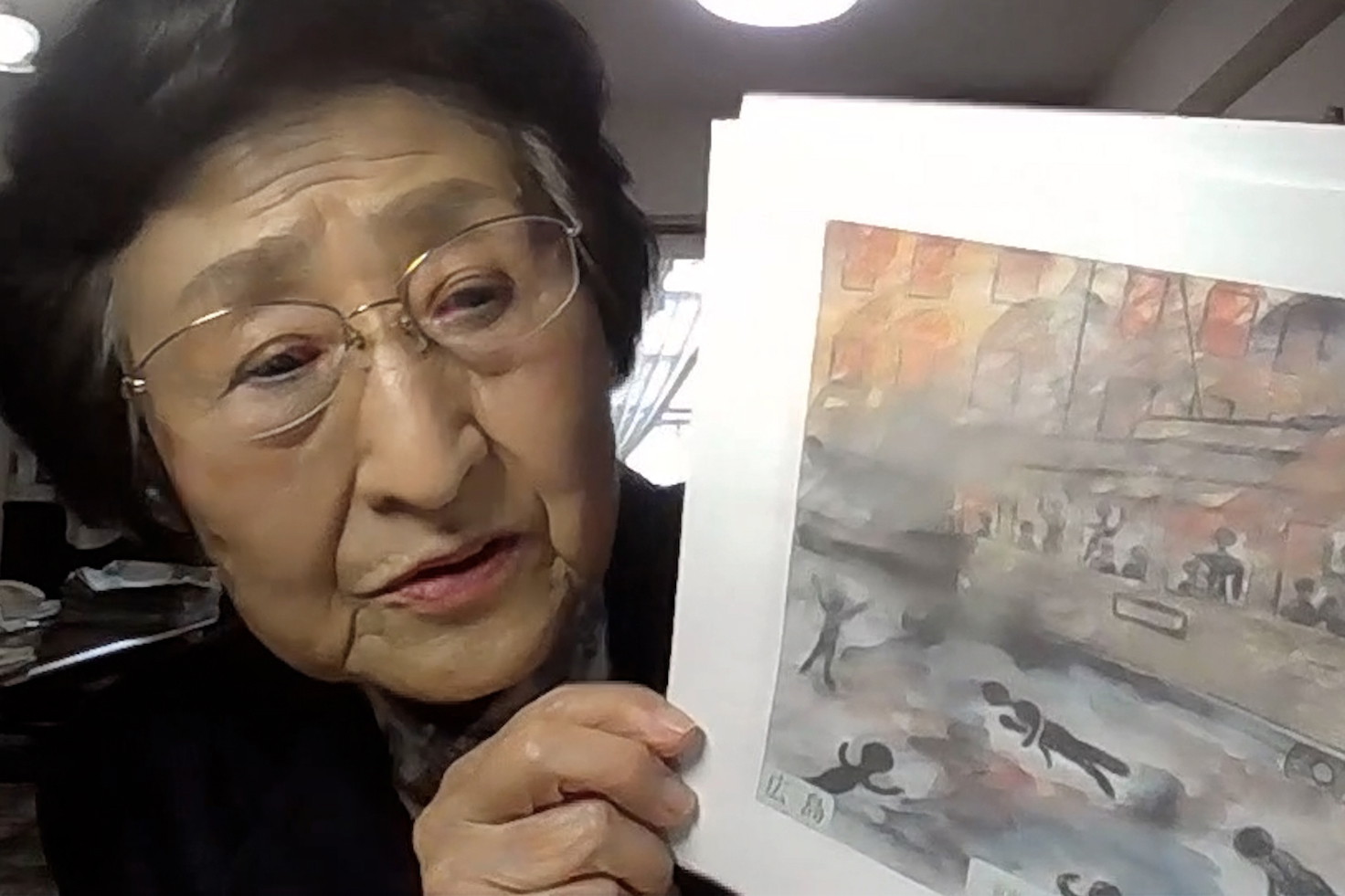
Michiko Kodama was seven years old and inside a school building on the outskirts of the Hiroshima city, some 4 km from the hypocentre when the bomb exploded.
Kodama survived the explosion and its aftermath, becoming one of the last hibakusha – the Japanese term for atomic bomb survivors. Today, the number of hibakusha still alive has fallen below 100,000, with an average age of over 86. In postwar Japan, they held a complex and often painful status in society – feared, stigmatised, and sometimes even blamed. Many were unable to speak openly about what they had endured.
More
More
A Hiroshima survivor’s voice against nuclear weapons, 80 years on
External Content


