


We’ve all been there: after a long day at work, you come home, realize you’ve skipped the supermarket again, and settle for a subpar dinner—a box of ramen, a bowl of buttered pasta, or even a peanut butter and jelly sandwich. The meal is regrettable and adds only a little sustenance at best. You promise yourself you won’t stoop to that level again. But a viral trend is now touting that very simplicity, and the result is something akin to the human equivalent of dog food.
“Boy kibble” is one of the hottest food trends on social media today. Fitness influencers are cooking up a simple combination of ground beef and rice for a quick, low-calorie hit. But gen Z men aren’t cooking the meals out of laziness. Rather, they see it as a reliable source of protein.
Some men on social media admit to eating the meal up to seven times per week as a cheap way to build muscle. The trend is the male-coded equivalent of the 2023 “girl dinner” where women devised elaborate hodge podges of charcuterie-like plates, consisting of assorted meats, breads, cheeses, fruits, and leftovers.
The simple and bland boy kibble diet is the newest entrant in the protein craze, which has motivated companies to capitalize on the demand. Dunkin’ recently rolled out iced protein lattes. Doritos will soon release protein chips, with servings that include up to 10 grams of protein per bag. And it’s hard to miss a protein callout while walking down the food aisles of your supermarket.
The Trump administration has added fuel to the frenzy. Health and Human Services Secretary Robert F. Kennedy Jr. released new nutritional guidelines in January urging American households to load up on protein, dairy, and healthy fats.
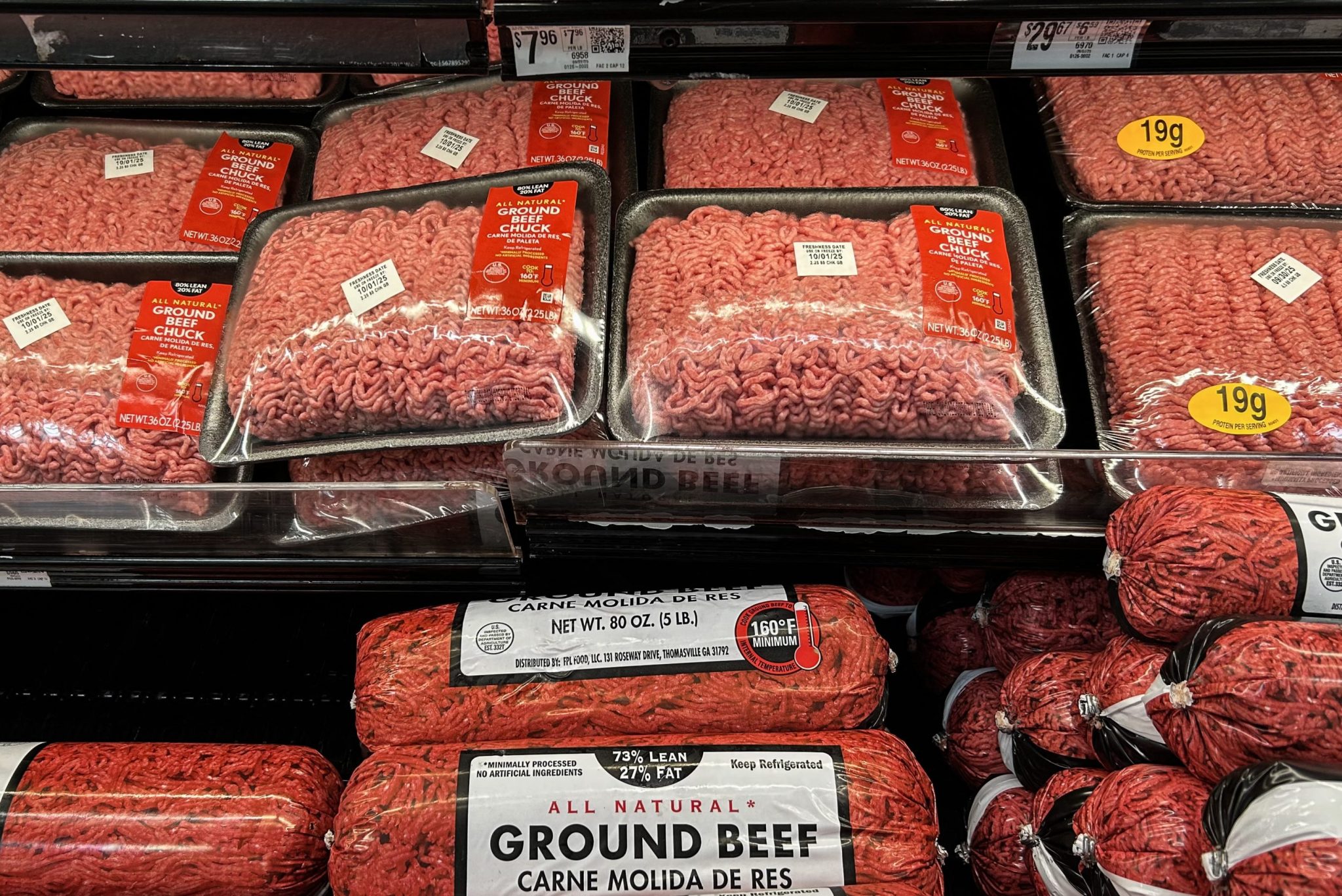
Meat proved hot in 2025, with sales of meat snacks up 6.6%. But the cost of beef has actually skyrocketed over the last year, despite President Donald Trump maintaining prices have come down. Ground beef hit $6.75 per pound in January, up 22% compared to $5.55 in January 2025, according to data from the Federal Reserve of St. Louis. Rice, too, is up to over a dollar per pound. But without vegetables, sauces, or for many, seasoning, the boy kibble lets some gen Z men skip what they think are unnecessary purchases.
The downsides of ‘proteinmaxxing’
While the trend offers a simple and cheap way to max out protein consumption, some dietitians are concerned it’s leaving out other nutrients.
Abbey Sharp, a registered dietitian and author of diet book The Hunger Crushing Combo Method, said this “protein-obsessed, carnivore-style diet phase” is displacing beneficial fiber that 95% of North Americans aren’t getting enough of.
Other than fiber, Americans are also deficient in vitamin D, calcium, and potassium, according to the 2020-2025 Dietary Guidelines for Americans.
To be sure, many devotees tout the trend with a half-joking air. Some TikTokers also include vegetables like kale and spinach, while others treat themselves to seasoning or hot sauce.
But for many of those hopping onto the trend, it’s that blandness and simplicity that gives boy kibble its appeal.
Sharp, who has over 1 million followers on TikTok where she reviews user’s eating habits and popular dietary trends, warned that the commitment to the meal could slip into dangerous territory.
“This kind of moralizing of food, or turning suffering through meals into a badge of honor,” she said, “can map on to some kind of disordered eating patterns and risks, no different than, say, orthorexia,” or an obsession with food that one considers healthy.

