


The exploits of the long-established spacefaring nations – particularly the US – may still dominate headlines, but countries as diverse as Zimbabwe, Honduras and Malta are signalling their intention to reap the benefits of space-related activities.
These smaller states, and many more, are applying for membership of the UN body which helps to shape internationally agreed rules on the peaceful use of outer space, and avoid a new “Wild West” free-for-all, which could potentially lead to conflict.
Why countries are looking to the skies
What draws countries like Côte d’Ivoire, The Gambia and the Maldives to outer space? While their motivations are varied, the benefits of space are rapidly becoming apparent to all. Space technologies enable access to critical data and services that support climate resilience, disaster response, and sustainable development. In small island developing states, for example, satellite data helps monitor sea level rise and improve early warning systems for hurricanes and floods.
In Ghana and Tonga, the UN Office for Outer Space Affairs (UNOOSA) recently helped develop “digital twins” of capital cities using satellite data and AI. These virtual models can simulate flooding scenarios, enabling governments to identify vulnerable infrastructure, strengthen emergency response plans, and respond more effectively when disasters strike.
Many emerging space actors face significant barriers, including steep technical and financial hurdles, along with underdeveloped national regulations and legal frameworks. UNOOSA helps bridge these gaps by advising on national space legislation and helping countries navigate international obligations under UN treaties like the Outer Space Treaty and the Registration Convention, which aims to provide an accurate picture of all objects launched into space.
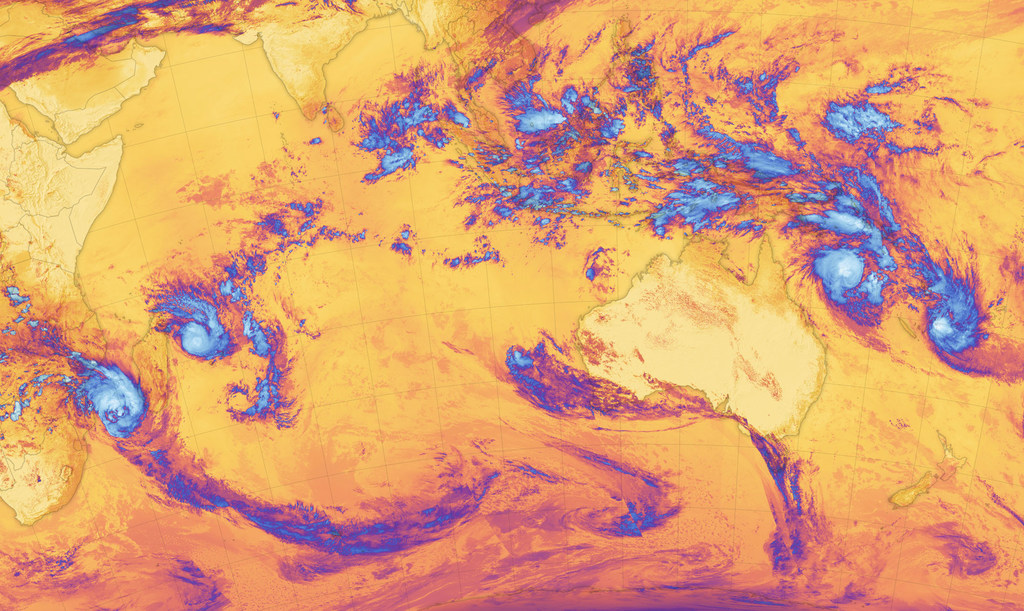
Three active storms in the South Pacific – image from the NASA Earth Observatory (Feb 2025)
The Access to Space for All programme, for example, helps non-spacefaring nations launch payloads, conduct experiments, and access data from space missions. Kenya, Mauritius, Guatemala and Moldova all successfully launched their first satellite in partnership with the JAXA/UNOOSA KiboCUBE program, which collaborates with teams from developing countries to deploy small cube satellites from the International Space Station.
UNOOSA’s Space Law for New Space Actors project supports emerging spacefaring nations in developing robust legal and policy frameworks for outer space activities, and the Space4Women initiative developed the Gender Mainstreaming Toolkit for the Space Sector to help organisations commit to gender equity, promote equal opportunities, empower women and girls through dedicated programming, and track measurable progress. Another flagship initiative, UN-SPIDER, delivers specialized capacity-building on the use of space applications for disaster risk reduction and emergency response.
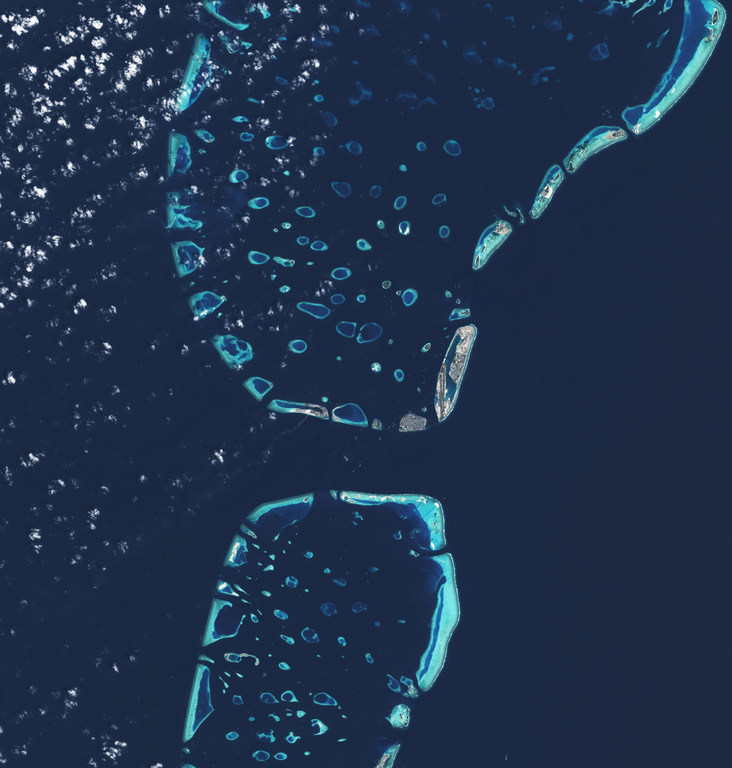
The Maldives archipelago – images from the NASA Earth Observatory


