


Unlike monuments or historic sites, “intangible cultural heritage” refers to living practices – traditions, skills, rituals, music, crafts and social customs that communities pass on from one generation to the next.
Through its lists, the UN Education, Scientific and Cultural Organization (UNESCO) works with governments and communities to promote these traditions, strengthen transmission and mobilise support to ensure their survival, particularly where they are threatened by social, economic or environmental change.
Traditions in urgent need of safeguarding
This year, several elements were added to the List of Intangible Cultural Heritage in Need of Urgent Safeguarding, which recognizes practices facing serious risk of disappearance.

Boreendo, Bhorindo: ancient dying folk musical instrument, its melodies, knowledge, and skills in Pakistan
In Viet Nam, the craft of Đông Hồ folk woodblock printing – known for its colourful hand-printed scenes of daily life, history and worship – was recognised for its fully manual process using carved wooden blocks, natural pigments and special paper coated with scallop powder. Once widespread, the tradition is now in decline.
The Mwazindika spiritual dance of the Daida community in Kenya was also inscribed. The practice combines dance, ritual, music and storytelling to promote healing, protection and spiritual balance during rites of passage, harvests and times of crisis.
Other newly safeguarded traditions include Pakistan’s Boreendo clay musical instrument, Panama’s quincha mud-house construction techniques, Paraguay’s Ñai’ũpo ceramic craftsmanship, the Philippines’ labour-intensive Asin Tibuok artisanal sea salt, Portugal’s moliceiro wooden boats, the Kobyz string instrument of Uzbekistan, Albania’s lahuta epic singing, landships cultural traditions in Barbados, and the Negliubka textile tradition of Belarus.
Living heritage celebrated worldwide
UNESCO also added new elements to the Representative List of the Intangible Cultural Heritage of Humanity, which highlights traditions that embody cultural diversity and human creativity.
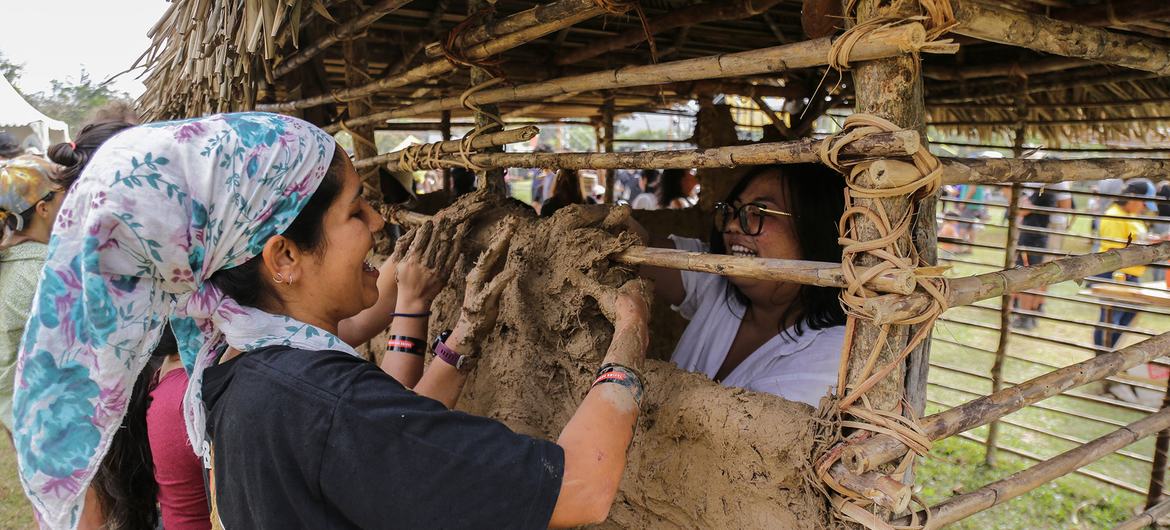
Construction processes of the quincha house and the junta de embarre / embarra in Panama
Among the inscriptions is the Bisht, a ceremonial men’s garment worn across several Middle Eastern countries including Qatar, Iraq, Jordan and the United Arab Emirates, symbolizing respect and social standing during major life events.
In Venezuela, Joropo, a lively tradition combining music, poetry and dance shaped by Indigenous, African and European influences, was recognized for its central role in festivals and community life.
Bolivia’s Festivity of the Virgin of Guadalupe in Sucre, Argentina’s energetic dance-music genre cuarteto, Tangail saree weaving in Bangladesh, Behzad-style miniature art associated with Afghanistan, Belgian rod marionette theatre, Belize’s Christmas Bram and Sambai celebrations, Bulgarian bagpipe traditions, and Zaffa wedding procession across parts of Africa and the Middle East were also added.
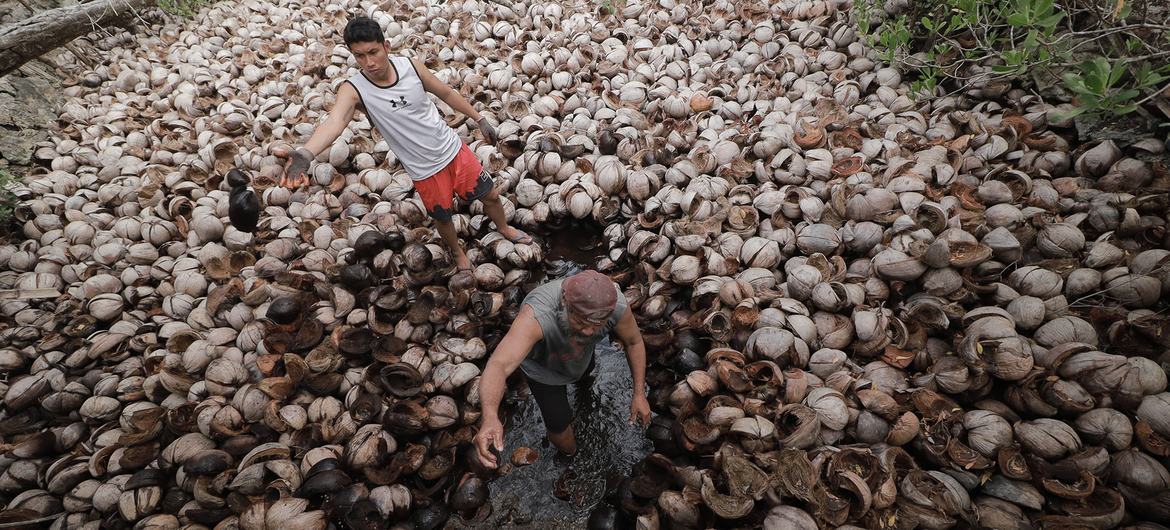
The practice of making Asin Tibuok, the artisanal sea salt of the Boholano of Bohol Island, Philippines


