


New blood donation rules and the annual test of the national alarm system are among the changes and key events happening in Switzerland in February 2026.
February 1st: New car vignette
On this day, the grace period for not having the 2026 vignette (either the paper or digital version) is coming to an end.
If you are caught driving without it on a Swiss motorway, you could be fined 200 francs.
The 40-franc sticker, which can be purchased from petrol stations, post offices, border crossings, or online, is obligatory for all vehicles driving on Swiss motorways, regardless of whether you are a resident, tourist, or are just transiting through the country.
This map shows on which roads the vignette is compulsory.
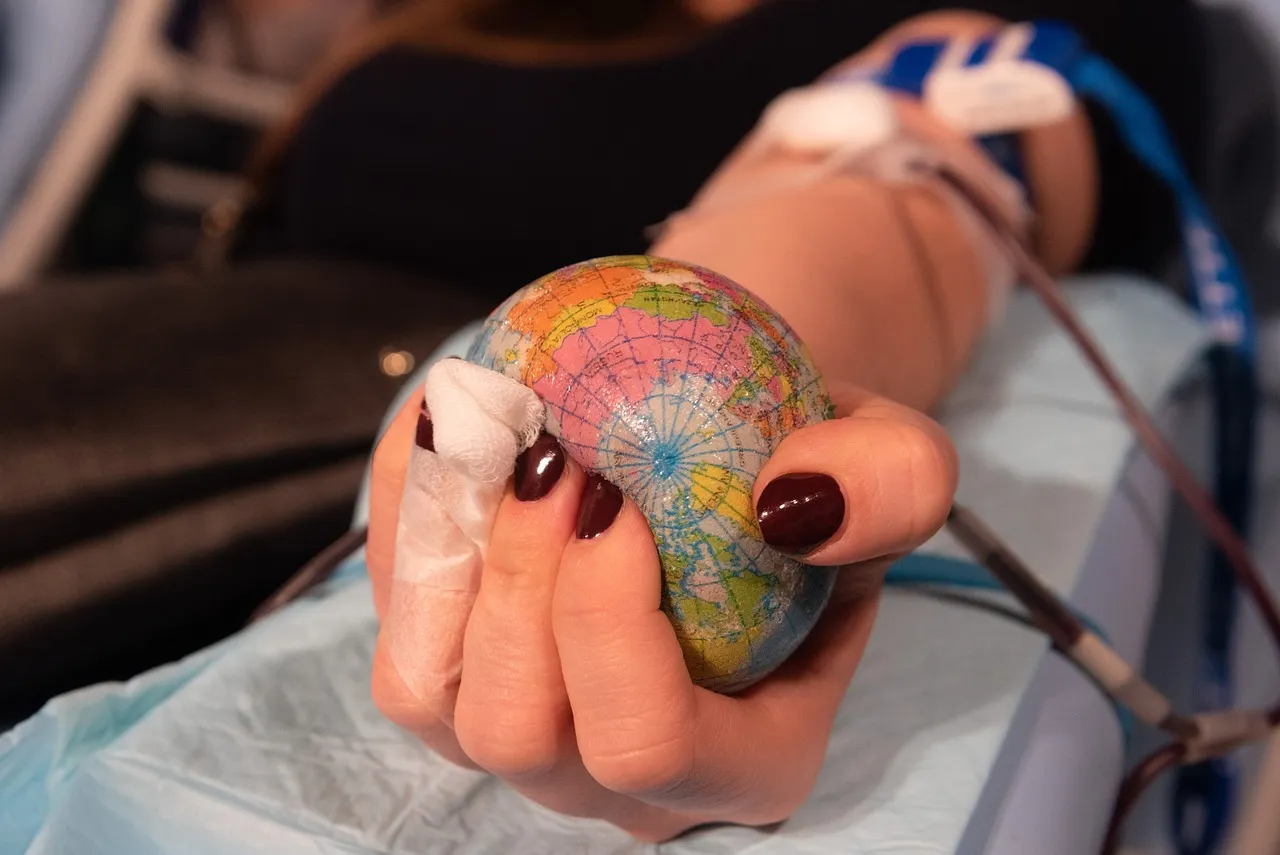
February 1st: The criteria for blood donation will be eased
From this day, individuals who were previously excluded from giving blood in Switzerland, can do so.
It includes people who have received a transfusion, stayed in the UK for a long time, or undergone certain medical procedures.
A four-month waiting period applies after each transfusion, regardless of the country where it took place.
People who resided in the United Kingdom for extended periods in the 1980s and 1990s will be able to donate blood again – previously they could not do so, as their country was hit by the ‘mad cow disease’ which could infect humans who consumed beef from the impacted bovines.
Certain restrictions still apply, however: for instance, for people who underwent neurosurgery, a one-year waiting period applies, provided the procedure was performed in Switzerland.
Also, people who received a dental implant in Switzerland after 1993 made from tissues or cells of human or animal origin or their derivatives, can donate blood again. Depending on the complexity of the procedure, a waiting period of at least two weeks applies.
Advertisement
February 4th: Nationwide alarm system to be tested
The 5,000 fixed and 2,200 mobile sirens in Switzerland will be tested on February 5th, as they are every year on the first Wednesday of February.
The test will be conducted between 1:30 pm and 4 pm.
Communication channels on the Alertswiss app will also be tested.
The signal – a steady oscillating siren lasting one minute – is intended to alert the population of an impending emergency or disaster.
The second siren, used to warn people who live near dams of impending water-related danger, is a series of 12 bursts of 20 seconds each at ten-second intervals.
READ ALSO: What you need to know about Switzerland’s annual siren test
Advertisement
February 20th: Out of the darkness…light!
On this day, daylight speeds up to three minutes per day, according to the Almanac, a very useful annual calendar that contains astronomical data and tide tables, among other information.
“On the 20th, the day length is 10 hours, 53 minutes, and on the 21st, it’s 10 hours, 56 minutes,” it says. Before this date daylight hours are roughly increasing by around two minutes.
This means that dark early mornings and dark early evenings are on the way out.
This phenomenon lasts until late April to early May, when the amount of additional daylight slows down to around 2 minutes more per day. By June 20th (summer solstice), it increases by one minute per day.
February 23rd: Basel Fasnacht
The biggest and most famous of Switzerland’s carnivals will begin – literally with a bang – at 4 am on February 23rd, for two days and nights of merrymaking.
READ ALSO: What you should know about Switzerland’s largest carnival
Advertisement
Throughout the month: Ski holidays
Like every year, February is a traditional “family ski” month in most of Switzerland, when children get up to two weeks off school so families can head to mountain resorts.
Dates of this winter break vary among cantons; you can see the ones for your region here.
In some cantons like Zurich and Aargau the holiday dates can vary from one municipality to another within the canton.
READ ALSO: What you should know about skiing in the Swiss Alps this winter


