


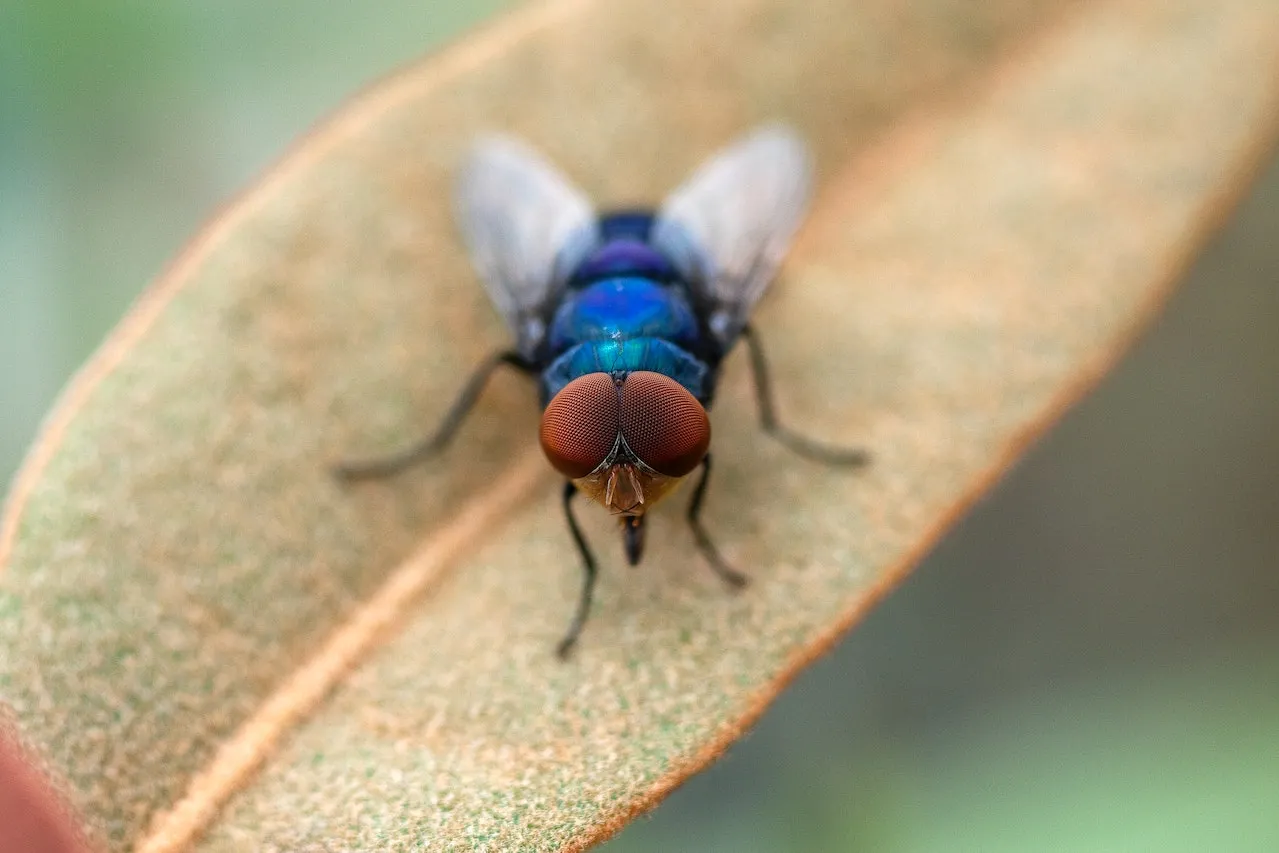
For some reason, there are lots of expressions in Spanish that are derived from the word for fly (mosca) – unsurprisingly many of them related to anger or annoyance – all of which are worth learning.
Estar mosqueado/a: A very common and colloquial adjective to express that you’re angry, or pissed off rather. It’s also possible to call this anger un mosqueo. Some people also shorten estar mosqueado/a to estar mosca, which has exactly the same meaning.
Example:
Está super mosqueada porque perdieron el partido.
She’s really pissed off because they lost the match.
Advertisement
Por si las moscas: It’s another very popular way of saying por si acaso, just in case in English. Apparently the ‘just in case the flies’ expression was born as a result of having to cover food with a cloth to prevent the flies from eating it.
Example:
Llévate el paraguas, por si las moscas.
Take the umbrella, just in case.
¿Qué mosca te ha picado?: A bit like saying ‘What’s got into you?’, an exclamation of surprise at moody or unfriendly behaviour on the part of someone.
Example:
¿Qué mosca te ha picado? Estás de un humor de perros.
¿What’s got into you? You’re in a terrible mood.
Con la mosca detrás de la oreja: Literally meaning ‘with the fly behind the ear’, it refers to the feeling of being on guard, suspicious or unsettled by something.
Example: Después de escuchar como hablaban de él a sus espaldas, se quedó con la mosca detrás de la oreja.
After hearing how they spoke about him behind his back, he had his guard up.
Cazar moscas: In its literal sense it means to hunt flies, but in reality it refers to wasting time or occupying one’s time doing useless things.
Example:
No da un palo al agua, se pasa la vida cazando moscas.
He doesn’t lift a finger, he spends his life procrastinating.
En boca cerrada no entran moscas: ‘Flies don’t go into a closed mouth’ is a Spanish saying that basically means if you keep your mouth shut, you can avoid problems. It’s slightly different to the English saying ‘A closed mouth gathers no feet’ as this applies more to keeping quiet in order to not say anything embarrassing.
Example:
Yo que tú, no diría nada. En boca cerrada no entran moscas.
If I were you, I wouldn’t say anything. Better to keep quiet and avoid problems.
Aflojar la mosca: To ‘loosen the fly’ really means to pay for something, sometimes somewhat reluctantly, be it a debt or a round of drinks.
Example:
¡Venga, afloja la mosca que te toca!
¡Go on, pay up as it’s your turn!
Mosquita muerta: A ‘small dead fly’ is actually a way of referring to a two-faced person in Spanish, someone who plays the victim or pretends to be innocent but who in fact has other Machevelian plans.
Example:
Cuidado con Javier, se hace la mosquita muerta pero tiene bastante culpa en el asunto.
Careful with Javier, he plays innocent but he’s fairly guilty in the matter.


