


Dmitry Kozak — a longtime confidant and close associate of Russian President Vladimir Putin who reportedly opposed the Ukraine war in its early days — has resigned from the government, the Kremlin said.
Kozak, 66, who served as deputy head of the Kremlin’s powerful Presidential Administration, opted to leave on his accord, spokesman Dmitry Peskov told reporters on September 18.
The announcement followed days of speculation about Kozak, who is one of Putin’s longest serving aides, dating back to the Russian leader’s early days in politics in the St. Petersburg mayor’s office in the 1990s. Departures of senior administration or cabinet officials under Putin are rare.
Several Russian news reports said Kozak had been offered a position as the top official for the northwest federal district of Russia, but had declined it. Peskov made no mention of that.
Gravel-voiced and often well-coiffed, the Ukrainian-born Kozak rode Putin’s coattails into the Kremlin when Putin became president in 2000, and served in multiple high-level roles over the years, including as deputy prime minister for nearly 12 years.
He served as the Kremlin’s point man organizing the 2014 Sochi Winter Olympics, which Kremlin saw as a sign of Russia’s rightful return to the world stage. After Moscow seized Ukraine’s Crimean Peninsula in March 2014, and later annexed it, he was sanctioned by the United States and other Western governments.
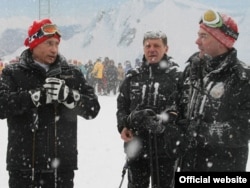
In 2020, Kozak joined the Presidential Administration, which plays a powerful role within the Kremlin. He was also well known as a frequent interlocutor with Western ambassadors and envoys.
Some analysts see Kozak’s departure as the latest signal that any question about support for the war against Ukraine is unwelcome.
In the months leading up to, and in the days immediately after, Russia’s invasion of Ukraine, in February 2022, there were reports of quiet opposition or dissent among some of Putin’s close advisers, about the choice to invade.
In the days following the invasion, Kozak, who had been appointed the Kremlin lead on the Ukraine issue, privately told Putin he was opposed to it, according to The New York Times.
Kozak also reported reportedly worked out the framework for a peace agreement with Ukraine that would have resolved several of the Kremlin’s priority demands, according to Reuters. But Putin rejected the plan.
Kozak’s departure is notable not only because of his longevity as a Putin insider – Putin is known to prize loyalty above all else — but also because of the relative lack of personnel leaving the Kremlin or the government, either because of opposition to the war or other reasons.
Other top officials known to have voiced opposition to the war include Central Bank Chairwoman Elvira Nabiullina, who reportedly submitted her resignation to Putin, but Putin declined to grant it.
The top general overseeing the war, General Valery Gerasimov, remains in his position – as chief of the general staff – despite the widespread view that the early months of the Ukraine invasion were a disaster for the Russian armed forces.
He turned 70 last week, well past the normal age for retirement for officers.


