



‘Influencer marketing presents risks, rules are needed’
Keystone-SDA
So-called influence marketing – the promotion of products on social media by influencers – has become very important, but it is very opaque and presents considerable risks.
This is according to a study – also carried out in Switzerland – by the European consumer federation BEUC, which is calling for stricter rules.
+Get the most important news from Switzerland in your inbox
Between March and September, 14 consumer organisations belonging to the BEUC and from 12 countries monitored around 650 posts and videos by influencers on TikTok, Instagram, YouTube and Snapchat. The focus was on posts promoting unhealthy food advertisements and fast fashion, as these are areas where users are considered to be particularly at risk.
“The information gathered confirms the widespread use of hidden advertising practices and the way influencers appeal to emotions to shape consumer preferences,” reads the report published today. “They also show how brands use influencer marketing to give a positive image of their reputation in the eyes of consumers, particularly younger consumers”.
More

More
Food companies are making treats unhealthier to win over Gen Z
The market has become very large: in the space of ten years, the volume of advertising in question has risen from CHF1.5 billion to CHF28 billion, the Swiss consumer organisation for French-speaking Switzerland (FRC) points out.
The analysis showed that commercial messages are often presented as expressions of personal style, rather than advertising, blurring the line between marketing and genuine personal opinions: users have difficulty distinguishing between the two. Ads are often not marked as such and when they are the terminology is often unclear and misleading. Discount codes and promotional links are often hidden in the comments section under posts.
There have also been further controversial practices: influencers appeal to emotions by using games, promoting contests and other challenges. Such practices attract consumers, encouraging overconsumption leading them to spend more time on the platforms. These practices, in particular temporary stories that disappear after 24 hours, intensify the ‘fear of missing out’ effect, which is particularly effective on young consumers.
Regulation called for
The applicable regulatory framework, BEUC notes, is complex and fragmented. At European level, several EU laws come into play, while at national level some states have adopted their own rules. This means that different authorities, such as consumer protection or audiovisual regulators, may be competent and have developed their own ways to deal with the problems posed by the new advertising channel.
According to BEUC, self-regulation alone has often proved insufficient to effectively bring order to the sector. The policies of social media platforms (e.g. those on brand content, advertising policies, terms and conditions) are often circumvented and so far insufficiently enforced. In parallel, EU commitments, such as the one that led major EU food companies to voluntarily restrict the marketing of unhealthy food for children, have not adequately addressed the questionable practices of influencer marketing.
BEUC proposes several measures to address the situation. One of these is to establish joint liability between influencers, their agencies and brands in case of violation of consumer protection laws. It is also considered appropriate to prohibit influencer marketing in specific sectors, in particular in risk areas and for products and services that may be particularly harmful to consumers or society as a whole: e.g. unhealthy food aimed at children.
More
More
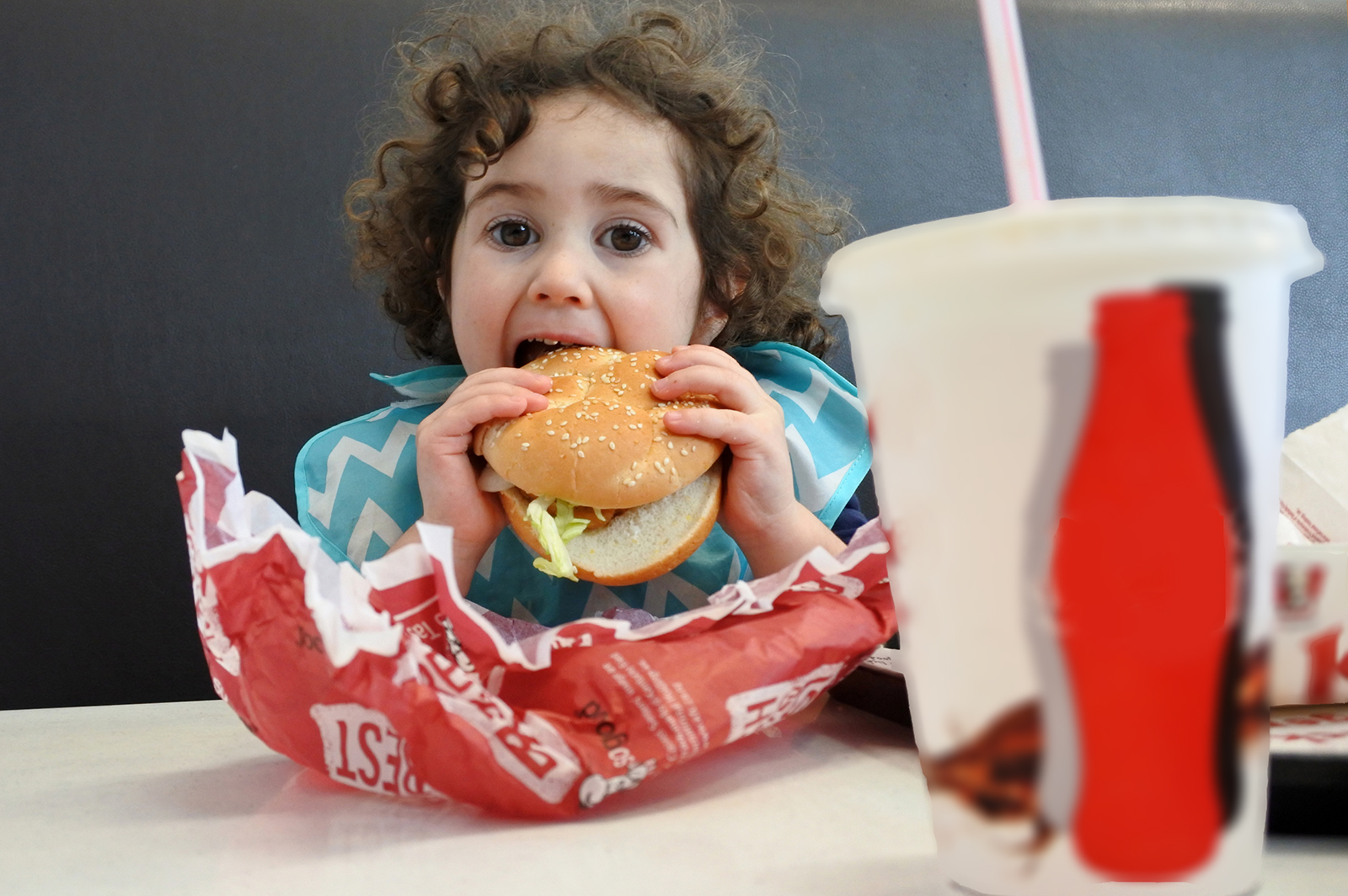
Four ways your kids are being nudged online to eat junk food
In addition, there is a need to monitor the harmful practices frequently used by influencers to emotionally influence and ‘hook’ consumers, especially younger ones, and to ensure that social platforms have sufficient internal policies in place to address these issues. Finally, more cooperation between the various authorities is needed.
Adapted from Italian by DeepL/ac
We select the most relevant news for an international audience and use automatic translation tools to translate them into English. A journalist then reviews the translation for clarity and accuracy before publication.
Providing you with automatically translated news gives us the time to write more in-depth articles. The news stories we select have been written and carefully fact-checked by an external editorial team from news agencies such as Bloomberg or Keystone.
If you have any questions about how we work, write to us at english@swissinfo.ch.


