


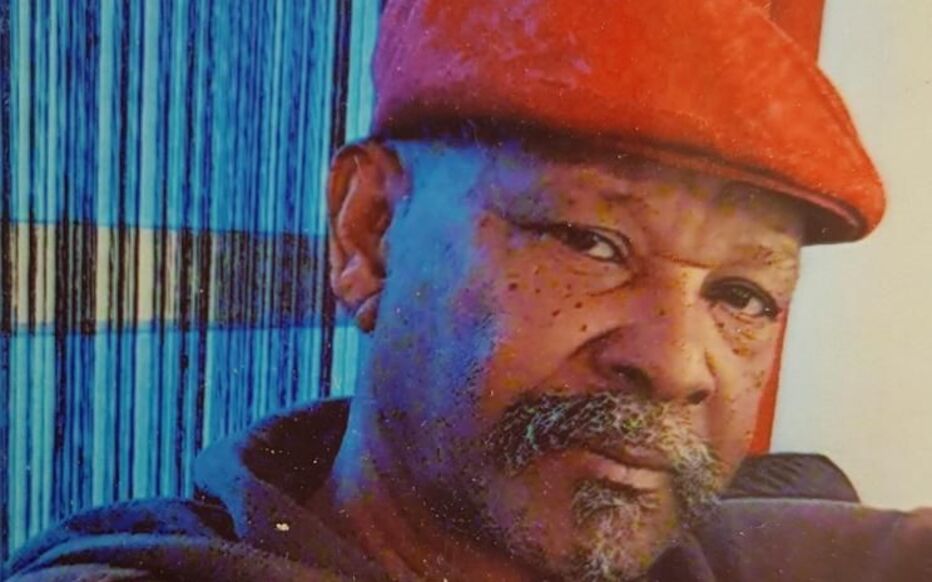
BAKU, Azerbaijan, July 7. The case of Claude
Jean-Pierre, which occurred in December 2020 in Guadeloupe, is not
limited to the tragic death of one person. It has turned into a
real can of worms, reflecting the tangled web of the relationship
between France and its former colonies in the Caribbean, a clear
sign of systemic discrimination and police impunity that just won’t
quit. The consequences of this tragedy were reflected not only in
legal and social spheres but also left a deep mark in symbolic and
psychological dimensions.
Jean-Pierre was 67 years old. He died in hospital several days
after being detained by two police officers on December 3, 2020.
The medical diagnosis (fracture of the cervical spine), recorded in
hospital documents, did not match the explanations given by the
police. This prompted the deceased’s family to file a complaint and
attempt to publicize the case. However, the refusal to consider the
complaints and indirect signals of an attempt to “cover up” the
matter pointed to a deep structural problem.
A turning point in the development of events was the release of
a video recording capturing the moment of Jean-Pierre’s detention.
The footage shows a police officer putting a hat on him and
pressing him down with his foot. This caused many to recall deeply
traumatic associations with the past of slavery in former colonies
such as Guadeloupe and Martinique. Such behavior is perceived not
only as an act of physical violence but also as a form of
historical humiliation.
It’s no coincidence that this episode took a central place in
the documentary film “Républi-NIAL,” released in 2024. The film
examines the case not only in a legal context but also as a
consequence of the colonial past. It features members of
Jean-Pierre’s family, human rights activists, and deputies, who
emphasize that this is not an isolated episode but a symptom of a
systemic problem.
In 2023, the investigation was concluded with a decision: no one
was held accountable. Moreover, one of the police officers was
promoted. This decision undermines trust in the judicial system and
calls into question the sincerity of the state’s position toward
its colonial past. The Guadeloupean society perceives this not
merely as injustice but as proof of systemic neglect toward the
bodies of Black citizens.
In March 2025, the French publication Mediapart, known for its
investigations, published medical reports confirming that
Jean-Pierre’s death resulted from physical violence by the police.
These documents not only expose the bias of the previous
investigation but also demonstrate the critical role that public
pressure and independent media can play in achieving legal
justice.
The documentary “Républi-NIAL” aims not merely to record the
death of one man. It exposes the contradictions in the relationship
between the French Republic—a system that proclaims the slogans
“liberty, equality, fraternity”—and ”its former and current
colonies. The film presents this tragedy as a symbolic murder, the
silence of the system, and its hypocrisy.
The passing of Jean-Pierre and all that comes with it is not
just a personal heartache but a glaring illustration of systemic
bias, the lingering shadows of colonialism, and a blatant disregard
for the principle of equal treatment under the law. In Guadeloupe,
this case became not just a family’s fight for justice but a moment
when the entire society confronted historical pain and loudly
asserted itself.
The inadequate assessment of such events from legal, social, and
symbolic perspectives within French society undermines faith not
only in reconciliation with the past but also in the future. On the
flip side, the name Claude Jean-Pierre today in Guadeloupe is not
just a name that rings a bell but has turned into a beacon of
resilience.
Stay up-to-date with more news on Trend News
Agency’s WhatsApp channel


