

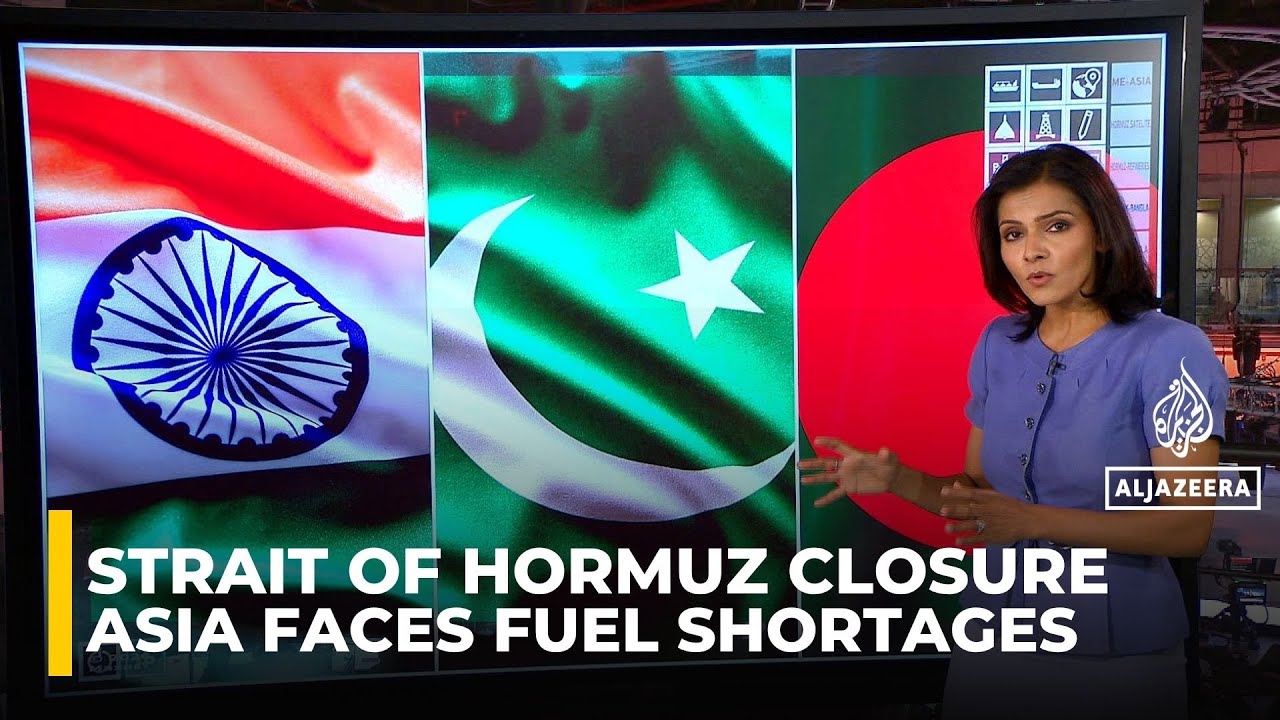
The US-Israel conflict with Iran has disrupted global energy, especially in Asia, as Iran blocks the Strait of Hormuz, limiting 20% of oil shipments. Countries like India, China, Japan, and South Korea are adopting strategies such as stockpiling, subsidies, or seeking alternative sources. Vietnam and the Philippines face severe shortages amid rising fuel prices and supply disruptions
Impact of Middle East War on Asian Energy Security
The ongoing conflict in the Middle East has severely affected Asia, the world’s largest consumer of Middle Eastern oil. The Strait of Almos, a critical energy corridor where about 20% of global oil and gas supplies pass, has seen disruptions since Iran effectively shut it down, blocking shipments primarily destined for Asian nations. Attacks on energy infrastructure across the region have further reduced production, heightening concerns over energy shortages across Asian countries.
Diverse Responses Among Asian Countries
Asian nations are responding differently to the crisis. India, Pakistan, and Bangladesh face significant challenges due to their heavy dependence on Gulf energy supplies; India has invoked emergency measures and turned to unsanctioned Russian supplies. In contrast, China has managed better, thanks to pre-war stockpiles and its ongoing trade with Iran and Russia. Japan, South Korea, and Taiwan have implemented energy voucher programs and reserve strategies, while Thailand and Indonesia have introduced fuel caps and subsidies to stabilize prices.
Struggling Nations and Strategic Measures
In Thailand, an oil shock caused by disruptions in the Strait of Hormuz could have several noticeable effects:
1. Higher Fuel Prices
- At the pump: Gasoline and diesel prices would likely rise quickly, making it more expensive to drive cars, motorbikes, and trucks.
- Transportation costs: Taxis, buses, and delivery services would charge more, affecting daily commutes and the cost of goods.
2. Increased Cost of Living
- Food prices: Since food is transported by trucks and ships, higher fuel costs can make groceries more expensive.
- Electricity bills: Thailand uses oil for some electricity generation, so bills could go up.
3. Impact on Tourism
- Air travel: Higher jet fuel prices could make flights more expensive, potentially reducing the number of tourists visiting Thailand.
- Local travel: Tourists and locals might cut back on trips if fuel and transport costs rise.
Vietnam and the Philippines are among the most vulnerable, with limited reserves and declared energy emergencies to control distribution. Vietnam’s reserves last about 20 days, while the Philippines’ president has empowered authorities to prioritize fuel distribution amid shortages. These measures reflect the varying degrees of energy security challenges faced by Asian nations amid the Middle Eastern conflict.


