


More and more tenants are being evicted in some parts of Switzerland; which of the country’s lakes and rivers claim most lives; and more news in our Tuesday roundup.
The number of evictions is rising in French-speaking Switzerland
In Lausanne in 2024, evictions of tenants increased by more than 12 percent — mostly in the Lausanne suburb of Renens, where many immigrants live, newly released statistics show.
For Fabrice Berney, Secretary General of the Tenants Association (ASLOCA) in Vaud, “rent increases, unjustified in the overwhelming majority of cases, and the declining financial capacity of the middle classes are the two main explanations for this phenomenon.”
And this trend is on the rise in other French-speaking cantons as well.
In Geneva, 239 forced evictions were carried out in 2024 — the highest number in eight years.
But most tenants were evicted in Valais, where the number of those forced to vacate their accommodations went up from 120 in 2020 to 761 in 2024.
“Landlords have no interest in being lenient with the tenant because they know they’ll quickly find another one,” said Carole Wahlen, a lawyer for ASLOCA. “And in the process, they can raise the rent. The pressure on tenants is extreme.”
READ ALSO: When does your Swiss landlord have the right to evict you?
‘600 victims’: This river is Switzerland’s most dangerous waterway
In the past 12 years, 600 people lost their lives in Swiss lakes and rivers.
Most of them — 70 — drowned in the Aar River.
This number is higher than combined accidents in the Rhine, Rhone, and Limmat, making it the most dangerous waterway in Switzerland, according to an analysis of data from the Swiss Lifesaving Society (SSS).
After the Aar, Lake Geneva, Lake Zurich, and the Rhine River had the most drownings within this time.
READ ALSO: How to stay safe when swimming in Switzerland’s lakes and rivers this summer
Advertisement
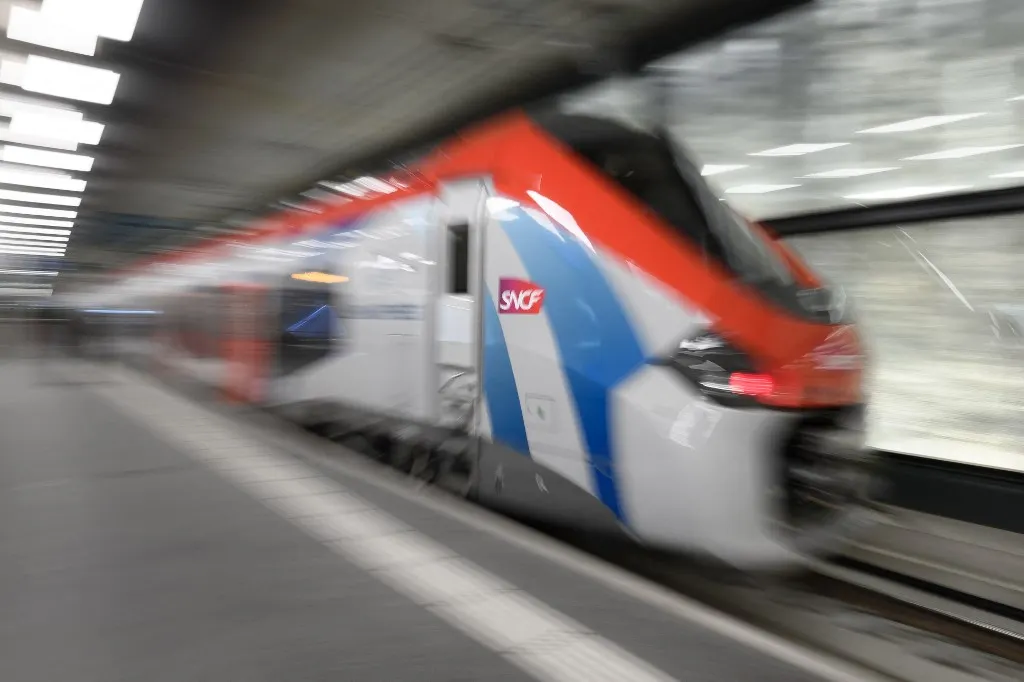
Calls for the extension of a cross-border train between Switzerland and France
Two public transport associations, one Swiss and the other French, have submitted their recommendations for improving the public transport network in Greater Geneva — that is, the area encompassing Geneva and neighbouring communities in France.
In particular, the associations want to expand the Léman Express timetable.
“We must move beyond the idea that travel to and from neighbouring France is by car, and then by public transportation. The entire journey must be made by public transportation,” said Caroline Marti, president of the Transport and Environment (ATE), one of the groups behind the move.
Concretely, the organisations are calling for the Léman Express trains to be put into service earlier in the morning and keep them running late.
If you have any questions about life in Switzerland, ideas for articles or news tips for The Local, please get in touch with us at news@thelocal.ch


