


Spain to offer free glasses and contact lenses to under-16s, EU to decide if it recognises Spain’s co-official languages and more news on Tuesday May 27th.
EU to decide if it recognises Spain’s co-official languages
Brussels will on Tuesday decide whether to make Catalan, Galician, and Basque official languages of the European Union and its institutions, taking the total from 24 to 27.
In order to convince them, Pedro Sánchez’s government has promised to take on the costs of translating all EU legislation into these three languages, a move which paid off when Gaelic was recognised as an official language of the EU back in 2007.
Advertisement
Basque Country to play Spain for the first time in a sport
Euskadi (as the Basque Country is called in Basque) will face off against Spain in a match of Basque pelota, a popular sport in Spain which sees players use their hands, a racket, a wooden bat or a basket to hit a ball against a wall (the frontón).
As the name suggests – pelota vasca – it’s a sport that’s particularly popular in the northern region, although it is played elsewhere in Spain.
Even though the sporting event won’t be watched by many, it’s what it represents politically speaking – Spain and the Basque Country playing each other as if they were two separate nations.
Spain to offer free glasses and contact lenses to under-16s
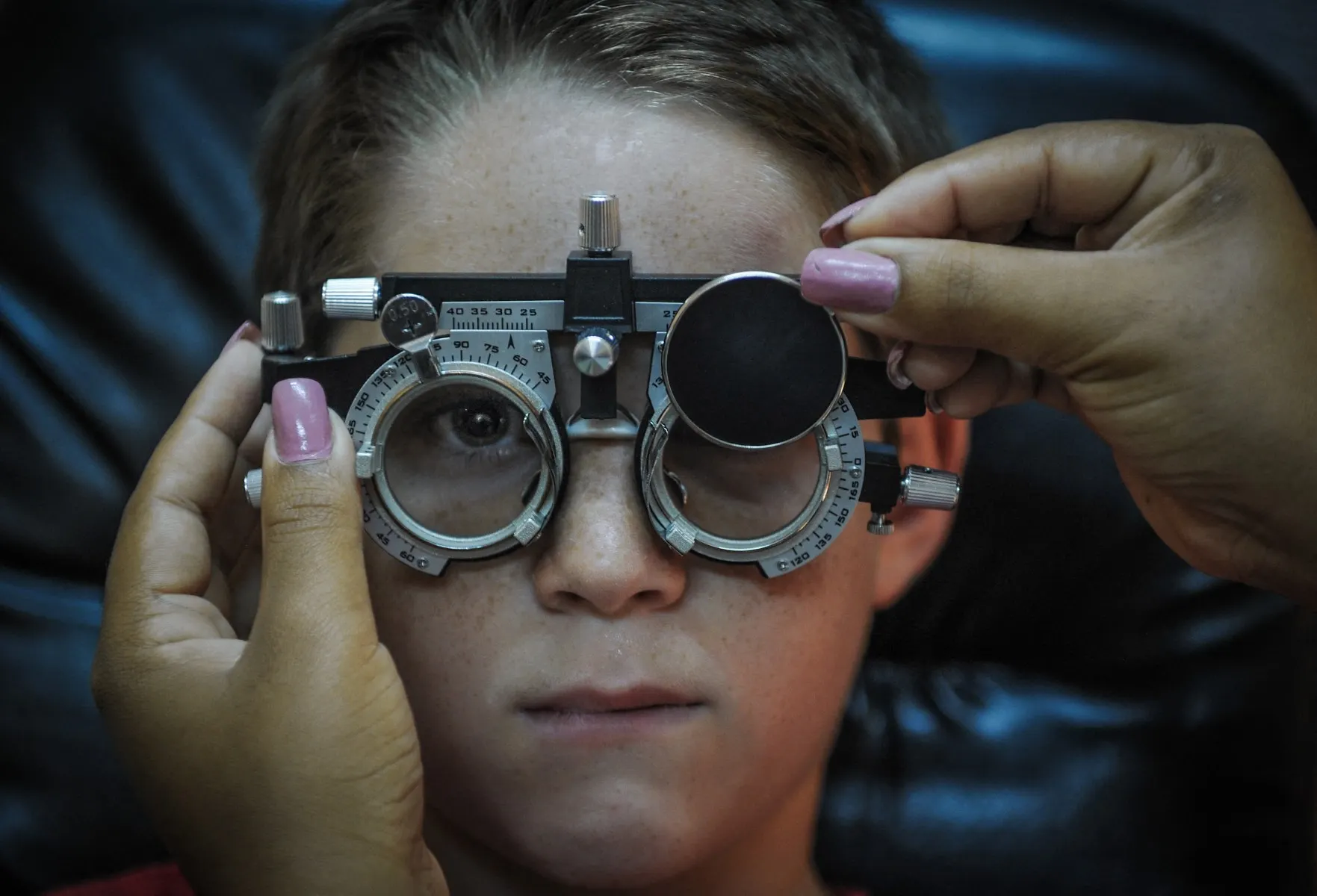
Prime Minister Pedro Sánchez announced on Monday the approval of a law that will make optical and eye care products, such as glasses and contact lenses, free for children under 16 years of age by the start of next school year.
In order to do this, the Spanish government will provide the General Council of Colleges of Opticians and Optometrists with €48 million, equating to around €100 per child.
The measure is expected to help 720,000 children in Spain.
Last day of broadband internet in Spain
Spain is officially bidding farewell to broadband internet on Tuesday with the shutdown of the last remaining copper exchanges.
The country will therefore complete its almost total move over to fibre optic internet after it began the migration a year ago, with services providers offering the remaining ADSL customers a free swapover to fibra.
Fiber optic has been the choice for 94 percent of broadband migrations in Spain, while the remaining 6 percent has been covered by mobile telephony or satellite connections.
Spain is now the third country in the world with the best fiber coverage, after Iceland and South Korea.


