


Transit tax is one step closer to becoming reality; thousands of unemployed are waiting to receive their benefits; and more Swiss news in our roundup this Thursday.
Transit tax is one step closer to becoming reality
Anyone driving through Switzerland from one neighbouring country to another – that is, foreign motorists – could soon be obligated to pay a transit fee.
After debating it for months, this measure has now been approved by the relevant committees of both the Council of States and National Council.
The Federal Council, however, sees problems in implementing this measure.
In its opinion, a transit tax would necessitate extensive monitoring of all border crossings. Also, the Constitution would have to be amended to allow for the proposed fee, which would entail a referendum.
READ MORE: How Switzerland’s new ‘tourist transit tax’ for motorists could impact you
Thousands of unemployed people are waiting for their benefits
The reason for significant delays is the introduction, this month, of a new payment system (ASAL 2.0) for unemployment benefits.
The State Secretariat for Economic Affairs (SECO) confirms the technical difficulties during the initial phase of the transition, which have caused a backlog and longer processing times, leaving thousands of unemployed people without their benefits.
According to SECO, the most serious problems have now been resolved.
Advertisement
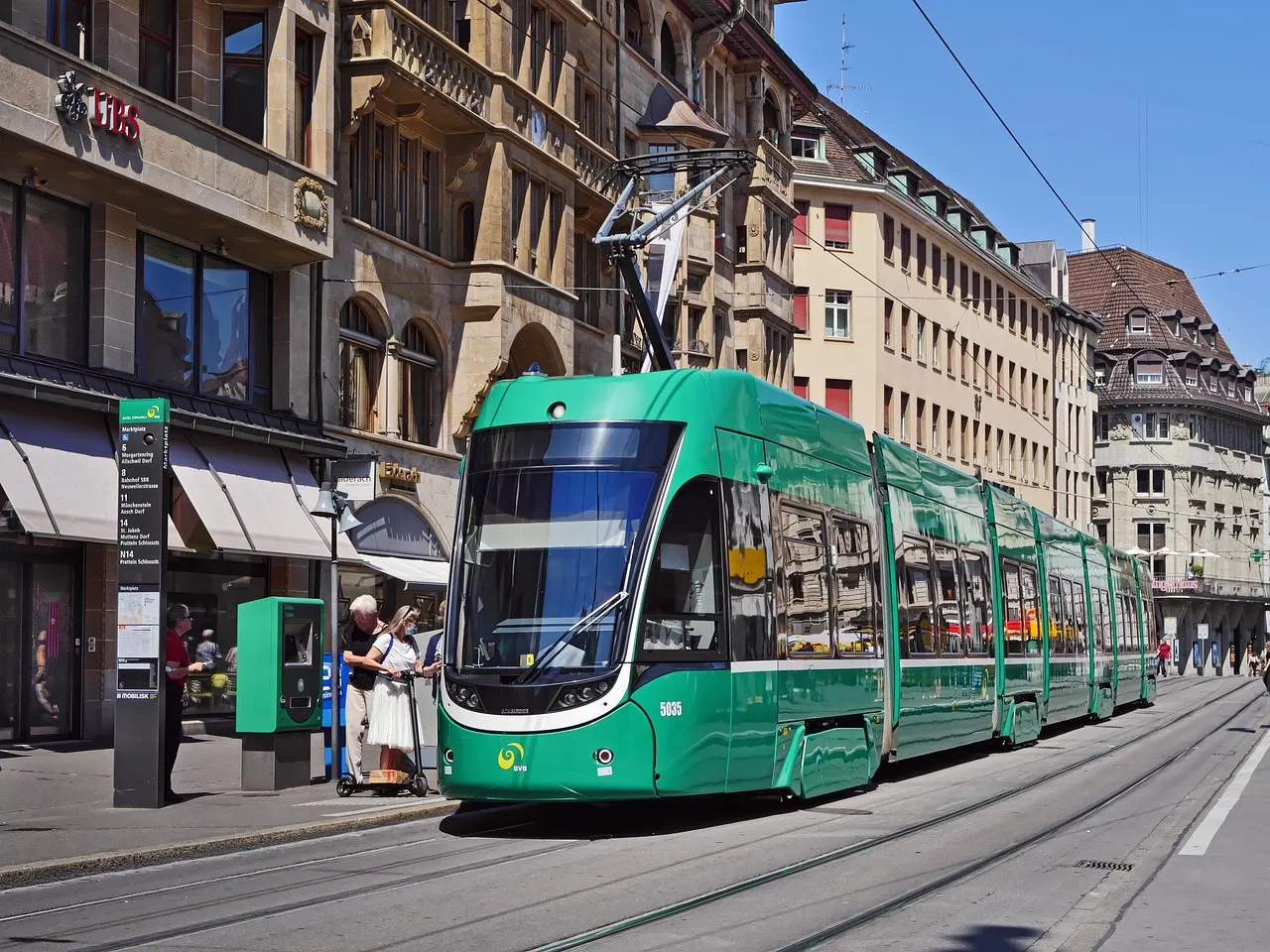
Basel trams to be out of service for 10 weeks this spring and summer
From April to October, the “Marktplatz” tram stop will be undergoing extensive works.
As a result, no trams will run in the centre of Basel for 10 weeks.
It total, seven lines will be out of service, bringing almost all public transport in the city to a standstill.
No replacement buses are currently planned.
Advertisement
Rome wants a special economic zone for cross-border commuters working in Switzerland
The Italian government has committed to creating a Special Economic Zone (SEZ) in the border regions with Switzerland, including the provinces of Varese, Como, Sondrio, and Verbano-Cusio-Ossola.
The aim of this measure is to reduce the gap between Swiss and Italian wages, notably by offering tax advantages, including a “border bonus” paid directly to cross-border workers.
If implemented, this measure would impact Ticino’s economy, depriving it of some of the 70,000 cross-border commuters employed in the canton, according to Luca Albertoni, head of the canton’s Chamber of Commerce.
If you have any questions about life in Switzerland, ideas for articles or news tips for The Local, please get in touch with us at news@thelocal.ch


