


Swiss military is ready for disaster relief in the Valais community impacted by glacier collapse; animal-derived food will be labelled to indicate ‘painful production’ methods; and more news in our Friday roundup.
Update on Valais glacier collapse: Army steps up preparations for disaster relief
The situation in the village of Blatten, where the Birch glacier collapsed on Wednesday, sending tons of rock and ice into the valley below, “continues to be closely monitored and continuously assessed,” the Defence Department announced on Thursday.
To enable rapid intervention, the army has been preparing water pumps, excavators, and other heavy clearance equipment, as well as lighting equipment since yesterday.
The Air Force is also on alert to transport equipment or personnel if necessary.
“The army stands ready to deploy its forces quickly,” the Defence Department said.
READ ALSO: Images reveal how Swiss village was destroyed and flooded in glacier collapse
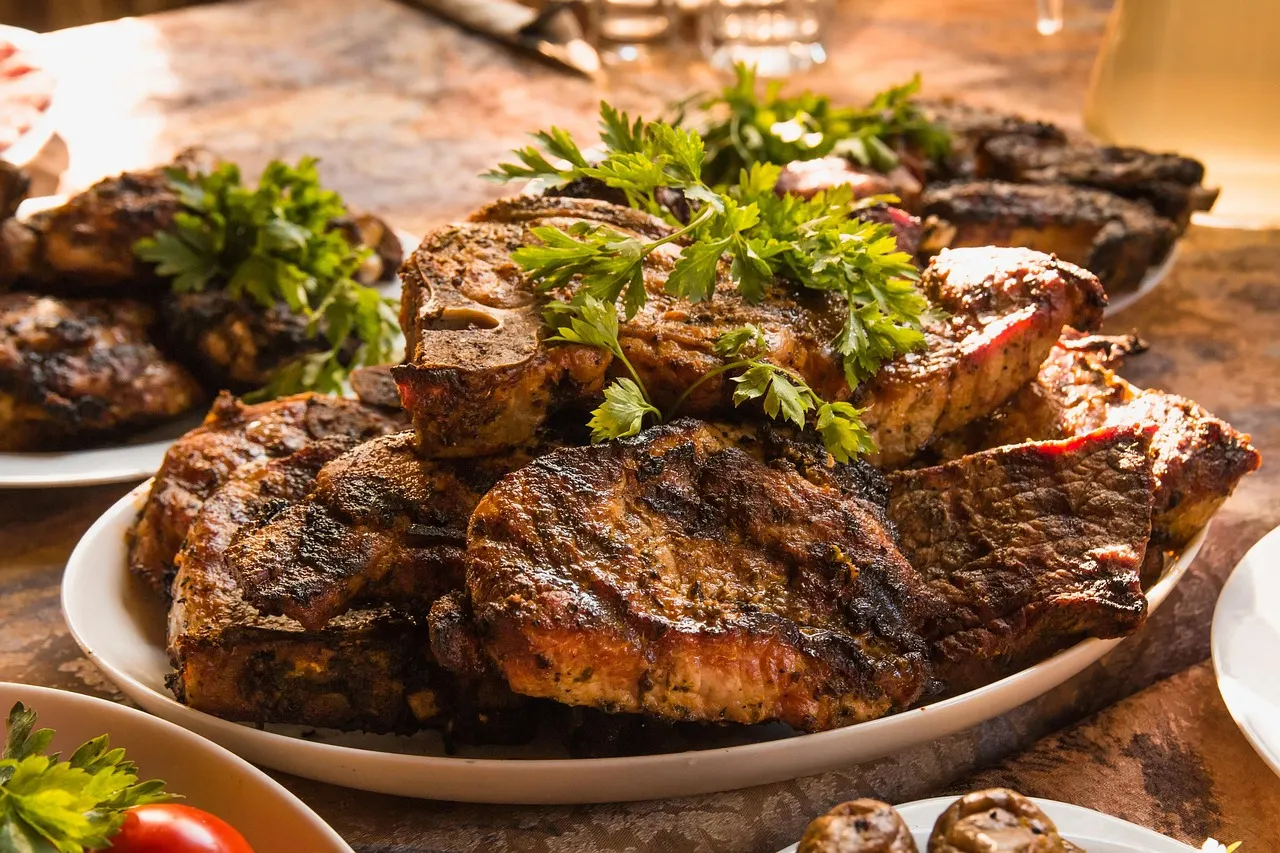
Meat and other animal-based foods to be identified as derived from ‘painful’ production
When purchasing animal-based foods such as meat, milk, or eggs, consumers will have additional information on the production methods, the Federal Council announced this week.
“This will allow them to know whether these foods were produced using painful practices, without the animals being anaesthetised,” the government said.
For instance, from July 1st, castration or dehorning are to be considered painful practices.
Foie gras, derived from force-feeding geese and ducks will also have to be labeled as such.
“While this production method has been banned for over 40 years in Switzerland, it remains permitted abroad,” the government said. “By imposing these mandatory declarations, the Federal Council is increasing transparency for consumers, allowing them to make informed purchases.”
Advertisement
Good news: Swiss pension funds made profit in 2024
Pension funds paid an average interest rate of 4.3 percent last year, the highest in the last two decades, according to a new study by Swisscanto, a subsidiary of the Zurich Cantonal Bank.
However, the 10 percent of the funds with the lowest interest rates only passed on an average of 1.75 percent to the insured, the study shows.
In contrast, the 10 percent with the highest interest rates paid out a whopping 8.25 percent — almost twice as much as the average.
The study also indicated that increasing numbers of people are drawing a lump sums from their pension funds: 38 percent of new pensioners surveyed opted for a full lump-sum withdrawal, while another 39 percent preferred an annuity.
Advertisement
Geneva transfers nearly 400 million francs to France: a new record
The canton is paying 396 million francs to the Haute-Savoie and Ain as its financial compensation for 2025.
This is 24 million francs more than the 372 million paid out in 2024, and the highest figure to date.
The reason is the continued increase in the number of cross-border workers working in Geneva and residing in neighbouring France.
This payment, based on an agreement between Switzerland and the neighbouring countries, is aimed at avoiding double taxation, and authorises cantons to deduct withholding tax from cross-border workers’ salaries.
While most of this money remains in Switzerland, a portion is paid to the employees’ respective countries of residence or regional authorities in that country.
This sum is intended to compensate for the public charges incurred by cross-border workers in their home municipalities. The funds are supposed to be used for infrastructure projects of regional importance.
If you have any questions about life in Switzerland, ideas for articles or news tips for The Local, please get in touch with us at news@thelocal.ch


