Frequently occurring species important for the stability of food webs
Keystone-SDA
Generated with artificial intelligence.
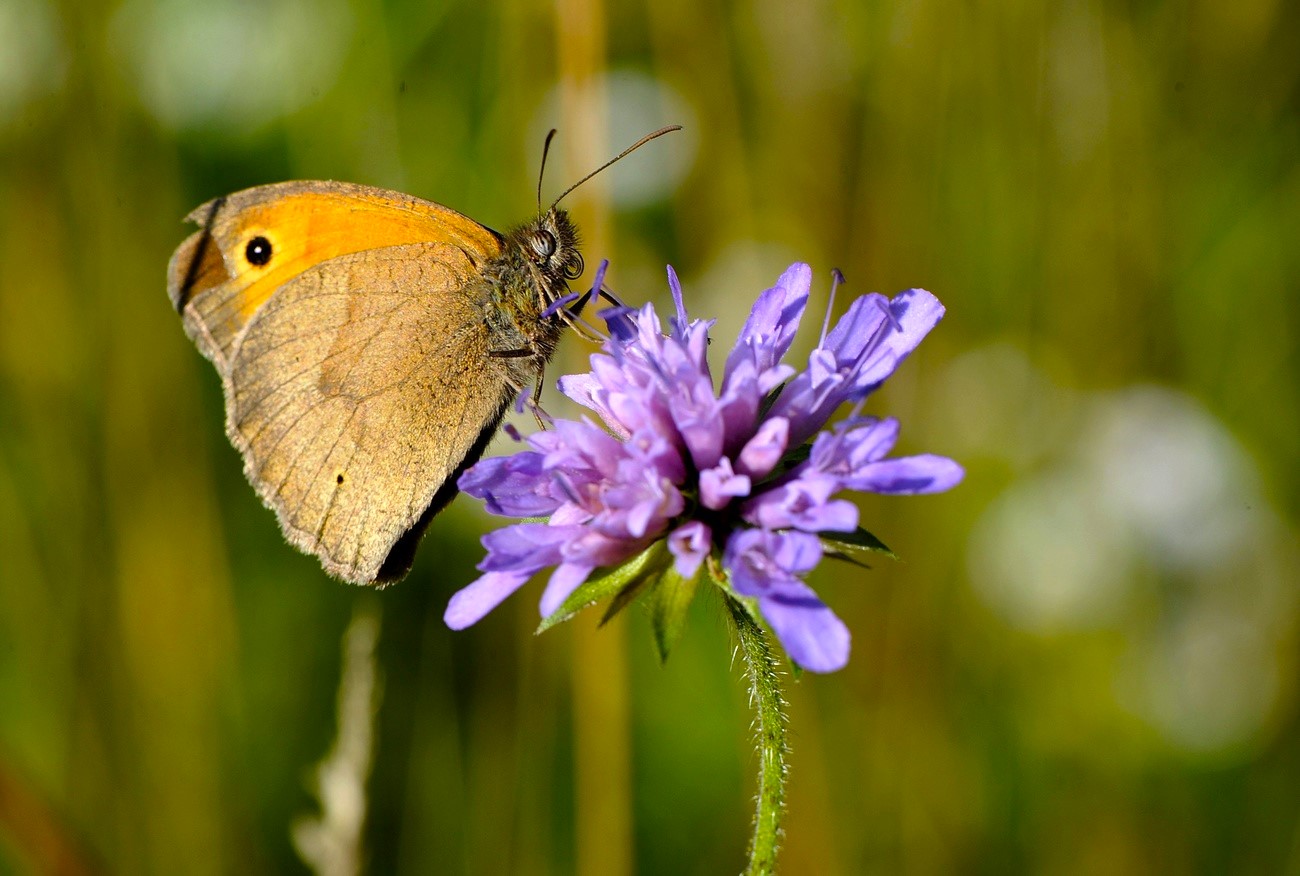
The loss of common flora and fauna species can make food webs unstable, with big consequences for entire ecosystems, a Swiss study has shown.
This content was published on
An international team led by the Swiss Federal Institute for Forest, Snow and Landscape Research (WSL) and the federal technology institute ETH Zurich modelled the effects of various extinction scenarios on regional food webs in Switzerland for the first time.
To do this, the researchers created a complex network with over 280,000 feeding relationships between around 7,800 species of plants, vertebrates and invertebrates. The researchers then simulated the loss of species from various habitat types.
More
More
Biodiversity loss in Switzerland in six graphs
This content was published on
Biodiversity loss in the Alpine nation is above the world average, and over a third of animal and plant species are endangered. Can the trend be reversed?
The study, which was published in the Communications Biology journal, showed that regional food webs collapse quite quickly when common species in key habitats like wetlands or agricultural land are lost. This means, among other things, that ecosystem services such as pollination are no longer guaranteed.
If wetland species are affected, this has far-reaching consequences, according to a press release on Thursday. Wetland species make up only some 30% of all known species. However, they are responsible for almost 70% of all connections in food webs in Switzerland.
Domino effect
Merin Reji Chacko from the WSL, the lead author of the study, said that species from wetlands in particular are often found in several habitats and thus contribute to the functioning of ecosystems in different places – one example is the dragonfly, which lives as larvae in water and as an adult on land.
According to the study, it is not the rare but the common species that have the greatest influence on the stability of regional food webs. If common species are deliberately removed, they also wreak havoc on other species that depend on them. They act as the “linchpin” in a network, as they have many connections to other creatures and often occur in different habitats.
Translated from German by DeepL/dos
We select the most relevant news for an international audience and use automatic translation tools to translate them into English. A journalist then reviews the translation for clarity and accuracy before publication.
Providing you with automatically translated news gives us the time to write more in-depth articles. The news stories we select have been written and carefully fact-checked by an external editorial team from news agencies such as Bloomberg or Keystone.
If you have any questions about how we work, write to us at english@swissinfo.ch
More
US delays delivery of Patriot missiles to Switzerland
This content was published on
The US Department of Defense is reprioritising the delivery of the Patriot systems due to the support provided to Ukraine.