


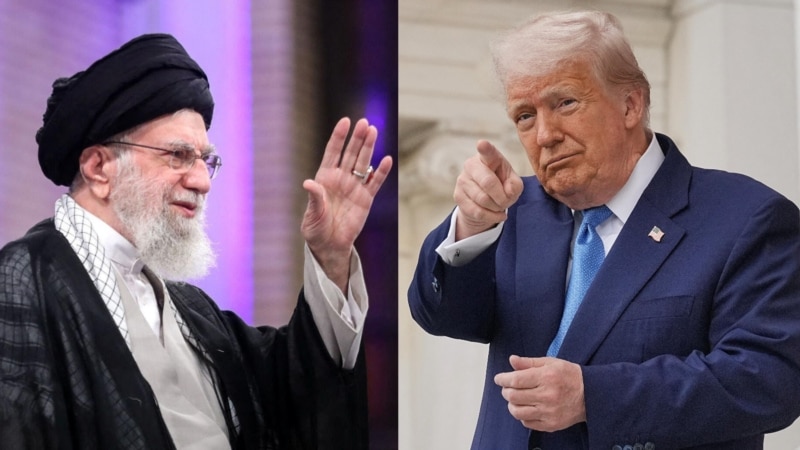
The United States and Iran are poised to return to the negotiating table at a moment when tensions between the two are high and trust is low.
The talks were initially planned for July 10 in Oslo, according to RFE/RL’s sources, who now say the meeting has been postponed — likely to next week.
Whenever they take place, the talks will mark a potential restart of nuclear diplomacy between the longtime adversaries just weeks after joint Israeli-US air strikes targeted Iranian nuclear sites.
Israel launched its attack on Iran on June 13, just two days before Tehran and Washington were scheduled to hold a sixth round of negotiations over Iran’s nuclear program.
US President Donald Trump then authorized joining Israel in striking Iranian nuclear facilities. Afterward, Washington brokered a cease-fire agreement to put a halt to the hostilities.
In a July 8 opinion article for the Financial Times, Iranian Foreign Minister Abbas Araqchi questioned how Tehran could “trust further engagement” after witnessing “our good will reciprocated with an attack by two nuclear-armed militaries.”
While Trump has spoken about reaching a “permanent deal” with Iran, he has not outlined what such an agreement would involve.
But his latest moves suggest a shift from short-term crisis management to a broader strategy — one aimed at securing a deal that addresses Iran’s nuclear program, regional influence, and the Middle East’s wider security architecture.
Iran has insisted — even after the 12-day war with Israel — that it remains committed to diplomacy, though it has asked for assurances that any deal will prevent Israel from launching further attacks.
Since the cease-fire went into force on June 24, Trump has sent mixed signals about whether pursuing a deal with Iran is still worthwhile, given the current state of its nuclear program.
The US president claims the strikes “obliterated” Iran’s nuclear facilities. Iran has acknowledged that the sites have suffered extensive damage but has vowed to press on with its nuclear program and, crucially, uranium enrichment.
Iran may have lost leverage after the strikes, but it still holds some cards.
Before the strikes, Iran had amassed over 400 kg of uranium enriched to 60 percent — a short step from weapons-grade — and reportedly moved some of it to undisclosed locations.
The International Atomic Energy Agency (IAEA) says it does not know the whereabouts of all this material.
Iran, meanwhile, has suspended cooperation with inspectors and suggested that information shared by the UN nuclear watchdog may have enabled the strikes — raising concerns it could be edging toward a full withdrawal from the Non-Proliferation Treaty.
But Trump has warned that he will order another bombing campaign if Iran resumes high-level uranium enrichment.
Still, Tehran and Washington insist they want diplomacy, but Iran arguably needs a deal more than the United States. In the absence of an agreement, not only will the threat of further military action remain, but Iran will also risk being hit by UN sanctions that European powers have threatened to reimpose.
Whether the upcoming talks in Oslo yield real progress or simply buy time, one thing is clear: the road back to diplomacy runs through a minefield of mistrust, missed chances, and mutual threats. Both sides are still talking — but the ever-closing window for a deal may finally be closing for real.


