


After two years of trying, Fribourg will not have a minimum wage law; Swiss government wants to dispense antibiotics by a unit; and other news in our roundup on Thursday.
Fribourg will have no minimum wage
Launched in 2023 by the left and the unions, the measure aimed to anchor the mandatory minimum wage of 23 francs per hour in the law.
MPs, however, rejected the move on Wednesday, preferring collective labour agreements (CLAs) instead.
They based their decision on a recent vote in the National Council stating that extended collective labour agreements should take precedence over cantonal laws regarding minimum wages.
“The current system of wage negotiations within the framework of collective bargaining agreements is the best way to ensure a high level of employment and a competitive labour market,” deputy Olivier Curty explained.
Switzerland radically changes its antibiotic policy
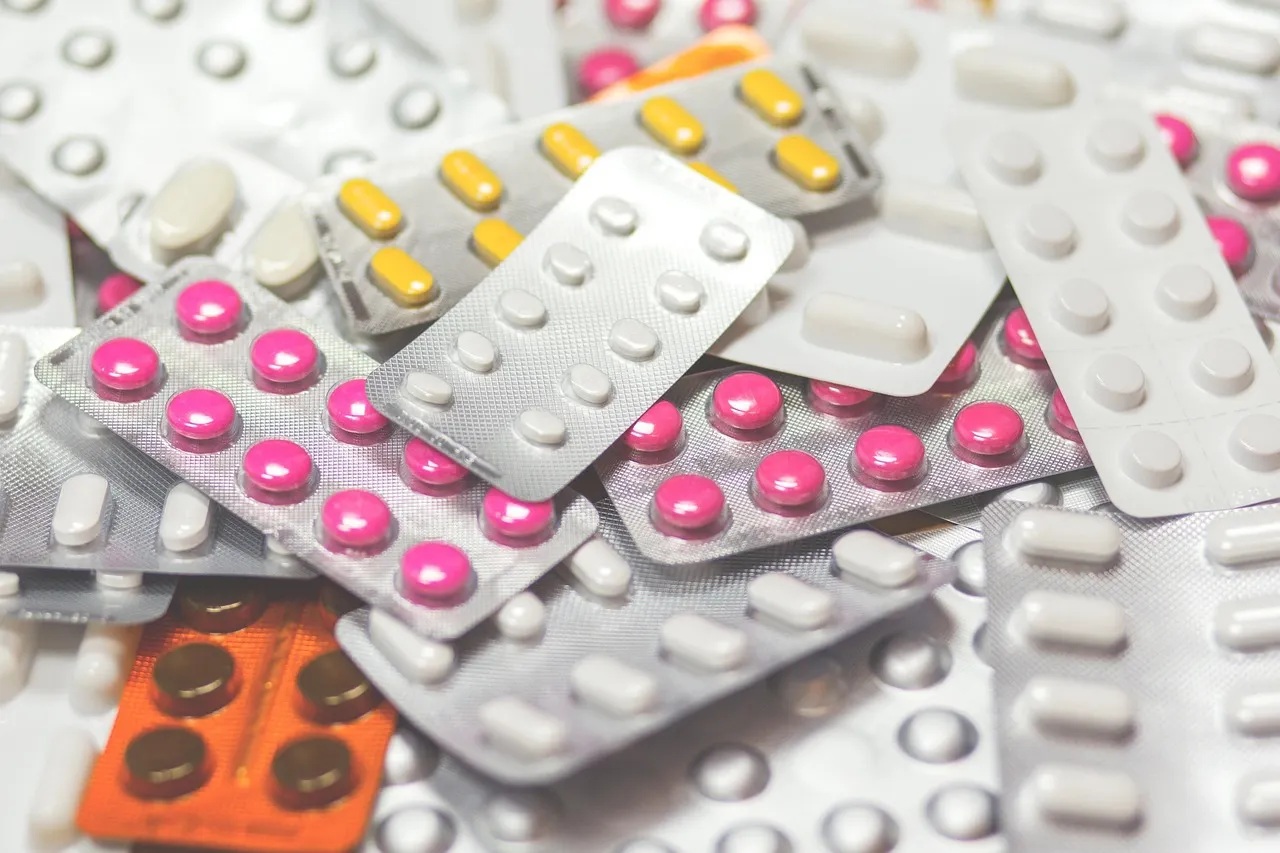
The Federal Council wants to introduce unit dispensing of antibiotics to reduce waste, limit resistance to the substance, and save on treatment.
In Switzerland they are typically sold in the original packaging; in 30 to 50 percent of cases, however, the prescribed quantities of antibiotics do not correspond to the quantity contained therein.
This can lead to inappropriate use of these medicines and cause antibiotic resistance.
Advertisement
Origin and gender play a significant role in schools’ grading process
This is demonstrated by a recent study carried out in secondary school classes by educational researchers Chantal Oggenfuss and Stefan Wolter.
According to their findings, a foreign-language male student can receive up to 0.6 fewer grade points than a German-speaking girl, despite achieving the same level of proficiency.
And these are not isolated cases.
“Students have been receiving unfair grades for years,” Wolter, said, though he added that this practice is not intentional but “a largely unconscious preferential treatment.”
“Boys who speak foreign languages are doubly disadvantaged – because of their language and their gender,” Wolter noted. Foreign boys are most disadvantaged, while Swiss girls are favoured.
Advertisement
Government takes a tougher stance on Ukrainian refugees
Since Russia invaded Ukraine in February 2022, Switzerland has taken in over 68,000 refugees, turning away none, and granting them the right to live and work in Switzerland (status S).
In the future, however, only people from regions of Ukraine where their life or physical well-being is in real danger will be able to obtain the S status, the Federal Council announced on Wednesday.
Before potentially granting the S permit, the State Secretariat for Migration (SEM) will now have to distinguish between regions of Ukraine that are considered safe and those deemed dangerous.
Clarifications are currently underway to classify the risk factors in different areas.
Advertisement
Switzerland ‘assumes’ US tariffs will not be hiked
Swiss government said on Wednesday that talks with Washington led it to assume that steep additional tariffs threatened by President Donald Trump would not be imposed on Switzerland.
Swiss President Karin Keller-Sutter, who is also the country’s finance minister, has said ongoing discussions with Washington aim to “come back to zero tariffs.”
“The United States has repeatedly acknowledged that Switzerland is acting in good faith,” the government said in a statement. (AFP)
If you have any questions about life in Switzerland, ideas for articles or news tips for The Local, please get in touch with us at news@thelocal.ch


