


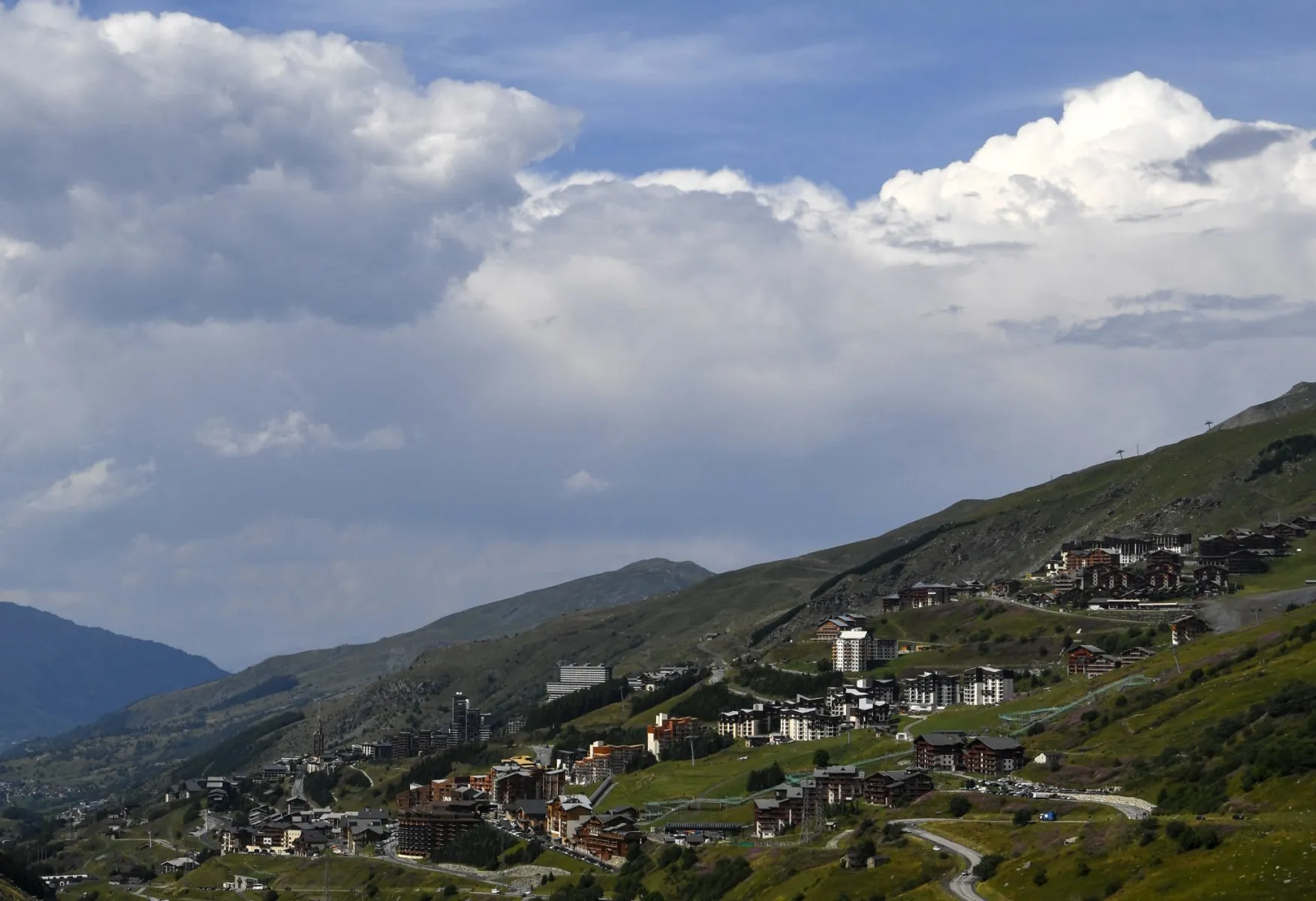
Short, intense summer rainfall in Europe’s Alpine regions is likely to become more frequent and severe in the future because of global warming, according to a study released Thursday by the University of Lausanne (UNIL).
Researchers said that in a scenario where temperatures rise by two degrees Celsius (about 3.6 degrees Fahrenheit), the Alps and nearby regions could experience episodes of intense summer rainfall twice as often as currently.
“With such warming, an intense storm currently expected once every 50 years could occur once every 25 years in the future,” said the Swiss university, which conducted the study in collaboration with the University of Padua in Italy.
“Hot air holds more moisture (around seven percent more per degree), intensifying storm activity”, the researchers said.
“As the Alpine environment warms faster than the global average, it is particularly affected,” they added.
The study used summer rainfall data collected from nearly 300 meteorological stations across the European Alps in Switzerland, Germany, Austria, France and Italy.
They focused on record-breaking rainfall events — lasting from 10 minutes to an hour — that occurred between 1991 and 2020, as well as the temperatures associated with these episodes.
“The sudden and massive arrival of large volumes of water can exceed the soil’s absorption capacity,” which can “trigger flash floods and debris flows, causing damage to infrastructure”, said Nadav Peleg, a researcher at UNIL and the study’s lead author.
Researchers recommend “preparing urban water management systems and other infrastructures” that are ill suited to handle significant rainfall volumes.
Advertisement
“Promptly updating engineering and urban planning standards” would help mitigate potential risks associated with these events, they added, while also emphasising the need to “limit global warming to 1.5C or less above current levels”.
According to scientists from the United Nations’ IPCC panel on climate change, there is a 50 percent chance of global temperatures rising by an average of 1.5C by 2030-2035.
“We are already observing a trend towards intensified summer storms and this trend is expected to worsen in the coming years,” said Francesco Marra, a researcher at the University of Padova and a co-author of the study.


