


After having moved home to Switzerland from the US, Sabine Munshi, 56, was certain she’d be able to find a stable, well-paid job. But with the Swiss job market closed to older jobseekers, she explains why she’s been forced to head back across the Atlantic.
I was born in the canton of Neuchâtel and spent over 30 years living in the United States, where I earned a Bachelor’s degree in Psychology and Linguistics, a teaching credential, a special education credential, and ultimately, a Master’s degree in Special Education.
In 2020, I was offered a position back in Switzerland. It was in Special Education at a school in the Lausanne area. I wanted to be based in Lausanne because I believed the city would offer more professional opportunities and because French is my first language.
The only requirement was to obtain Swiss recognition (équivalence) of my US credentials through the Swiss education authorities in Bern. The school assured me it would not be a problem. I began the process at the end of 2020, but due to COVID-19 delays, it wasn’t until October 2021 that I received a response. By then, the school had already filled the position.
Unfortunately, my application for equivalency was not accepted. Although the school had assumed my degrees would be recognised, they had only considered qualifications from Schengen countries. Since my credentials were from the US, Bern required that I return to university in Switzerland and earn Swiss degrees, dismissing both my US education and decades of experience.
From there, I explored every possible path. I applied to all international and private schools between Geneva, Neuchâtel, and even as far as Villars. I broadened my search to include roles in cafés, bakeries, hotels, retail, and large companies such as Nestlé and Philip Morris. I speak and write both French and English fluently, and I truly believed that with my background and flexibility, I would be a valuable asset somewhere.
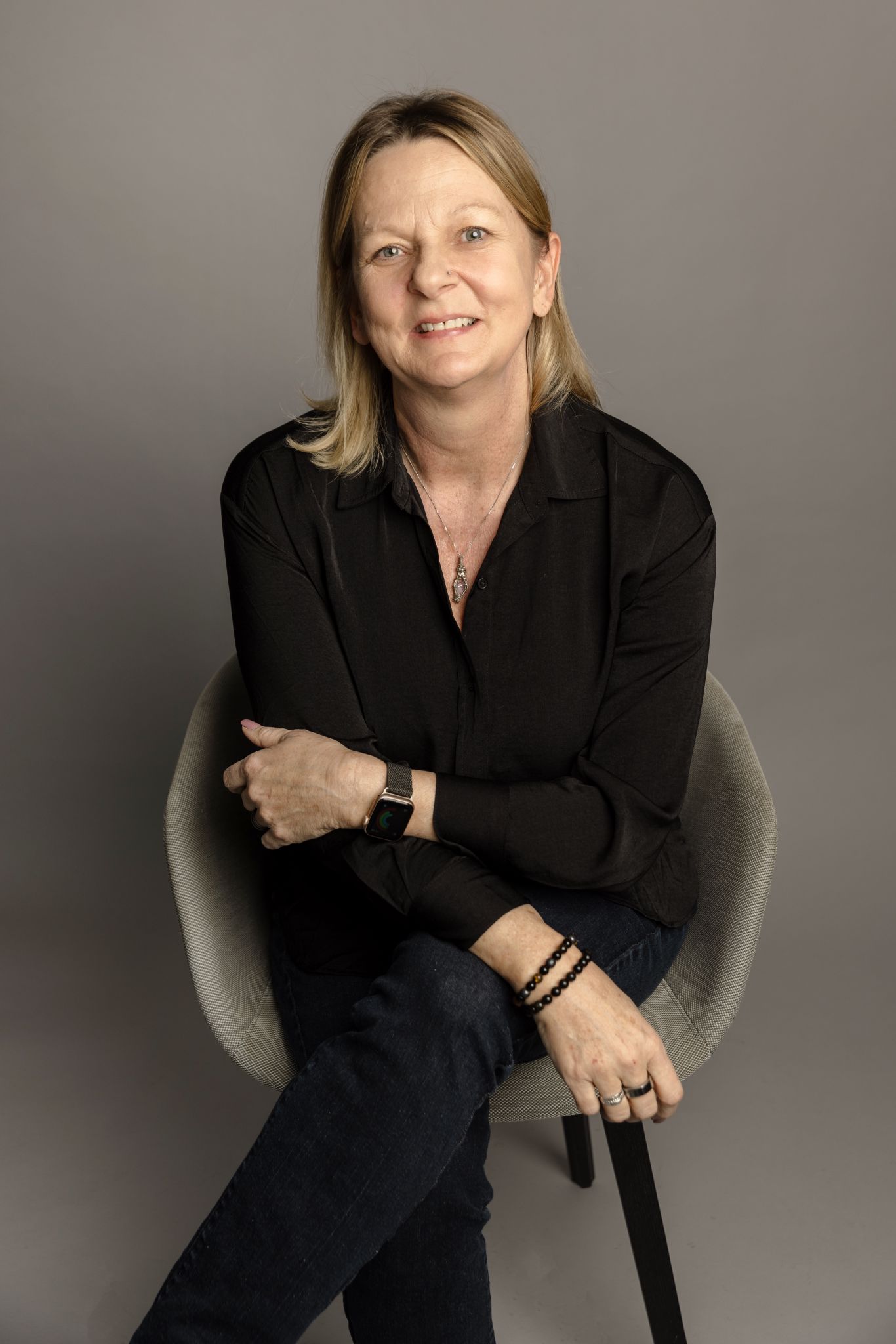
Photo: Sabine Munshi
I sought assistance from the Canton of Vaud’s employment office. While they helped me with my CV, the representative candidly told me I might have better luck in the Swiss-German region—commenting that “they hire people off the sidewalk,” in his words. He recommended I apply to international organisations like the UN and major corporations, which I did, without success.
I also worked with a local career coach and reached out to homes for people with disabilities, offering to work in any capacity. I even contacted childhood friends in education. Despite my efforts, most applications went unanswered. In rare cases, I received polite rejections. One person who called me admitted they wouldn’t know how to place or pay me, given my lack of a CFC or Swiss diploma.
READ ALSO: What are the chances of getting a new job in Switzerland if you’re over 50?
Advertisement
Eventually, I accepted a job with a reintegration foundation. While I was highly motivated and deeply enjoyed working with individuals on disability insurance, the work environment was chaotic and emotionally draining. After experiencing a breakdown, I stepped away and resumed my job search.
Over the past four years, I’ve continued teaching English and accent modification courses to professionals—mostly online. I also taught classes at École Club Migros.
However, these combined roles weren’t financially sustainable. I am now 56 years old (I was 52 when I returned), and despite my qualifications, energy, and desire to contribute, I consistently hit walls.
At one point, I asked the unemployment office if they could advise me on career options. The response was simply to keep applying to the same jobs I had already tried. It was disheartening.
Advertisement
Reluctantly, I applied for a single job in the US one Friday morning. That same evening, I received a reply requesting a Zoom interview the following week. I’ve since accepted the offer and will be returning to the United States. I had not planned to go back—it was always my dream to return home to Switzerland. But in the end, I felt I had no choice.
Switzerland is my country, but it didn’t welcome me back. These four years have deeply shaken my confidence. Ironically, the US — with all its current challenges—is still willing to give people in their 50s and beyond a chance. At this age, many of us have no young children, are experienced, reliable, and bring a lot of life and perspective to the workforce.
Before moving back to Switzerland, I spoke to many people and did a great deal of research. Still, no one warned me of the reality facing job seekers over 47 or 50. Only once I arrived did I start hearing similar stories. Many of my students at Migros were healthy, unemployed individuals in their 50s who had also struggled to find work.
It surprises me that this issue isn’t more openly discussed in Switzerland. It feels too easily accepted.
READ ALSO: How older workers struggle to find jobs in Switzerland
Have you had a similar experience to Sabine? Share it in the comments section below.


