

After a massive glacier collapse in the canton of Valais at the end of May 2025, the Swiss government published a list of other dangers that are likely to impact Switzerland in coming decades.
Scientists say that rising temperatures likely played a role in the disaster, which wiped out the village of Blatten.
“Rising global temperatures are indeed leading to drastic changes in high mountain regions,” researchers at the Federal Polytechnic Institute (ETH) in Zurich pointed out.
Given present and future hazards of the climate change, the Federal Office for the Environment (BAFU) is addressing this issue in its analysis of consequences that warming temperatures will have on the country .
In a report released on June 5th, BAFU identified 34 events that could seriously impact Switzerland from now until year 2060.
All of them result from five inter-related challenges: the increase in both extreme and average heat; the increase in summer heat; greater potential for natural hazards; as well as the increasing modification of natural environments and species composition.
“The risks associated with climate change in Switzerland are diverse. Climate risks within national borders overlap with climate risks abroad, which impact the country,” BAFU wrote. “These risks will intensify further in the coming decades. All sectors and regions of Switzerland are affected.”
These 34 listed derive from the five hazards:
Deterioration of human health (heat-related)
Lower productivity (heat-related)
Damage to transport infrastructure (heat-related)
Damage to electricity supply (heat-related)
Deterioration of animal health (heat-related)
Deterioration of forest services (heat-related)
Loss of agricultural yield (heat-related)
Loss of agricultural yield (drought)
Deterioration of forest services (drought)
Water shortages in lakes
Navigation restrictions
Damage to water supply
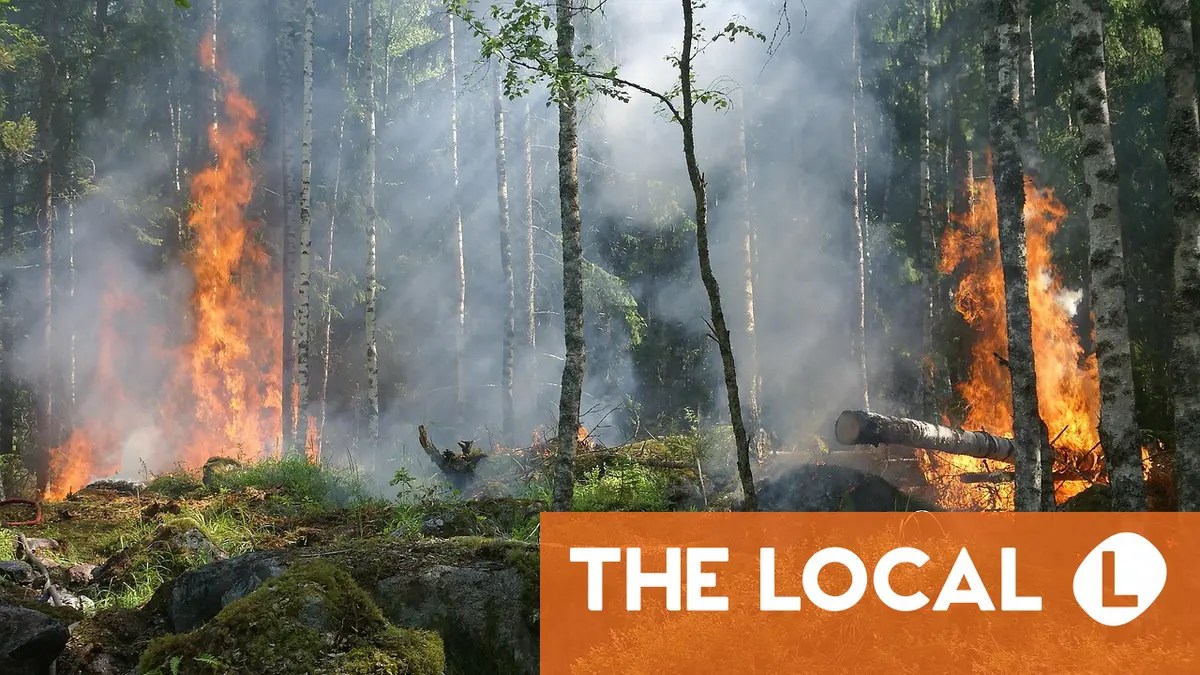
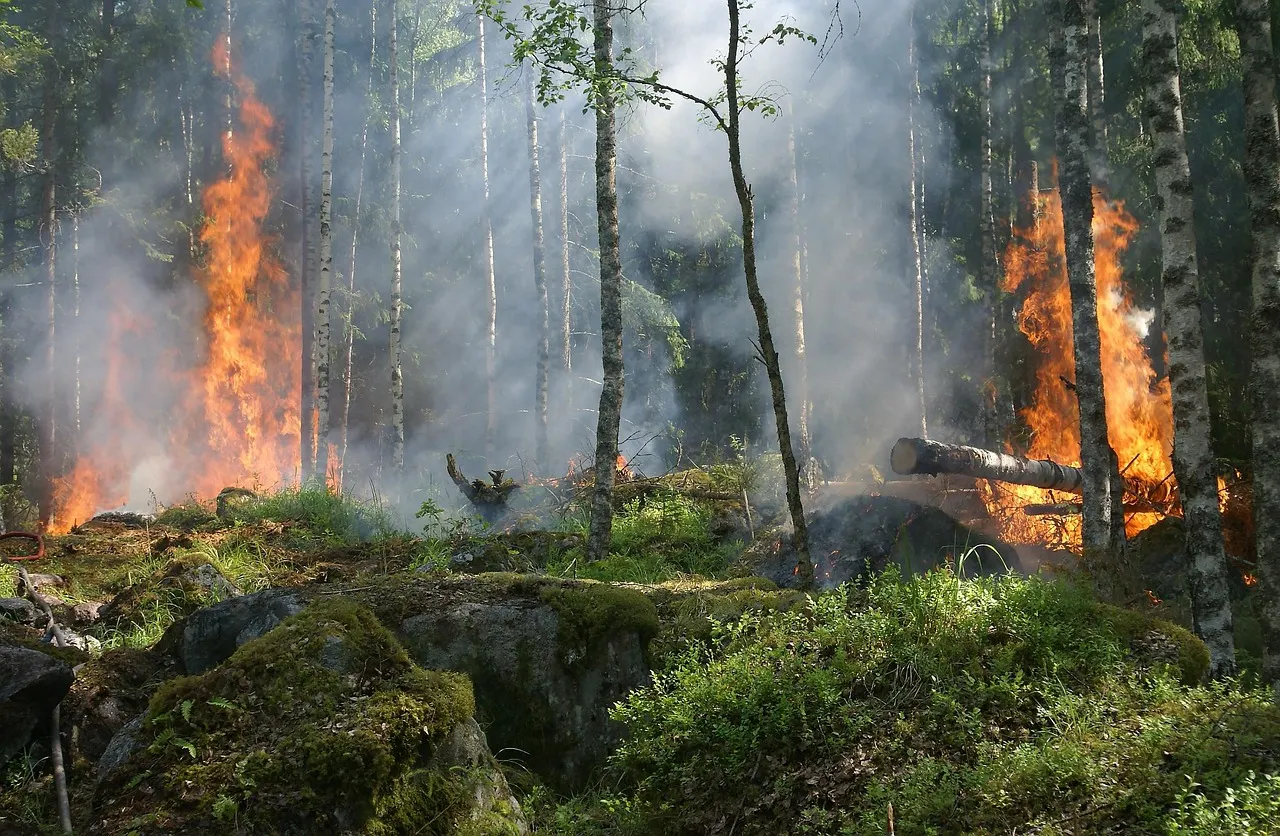
Damage caused by forest fires
Deterioration of animal health (pests)
Property damage caused by flooding
Personal injury caused by flooding
Business interruptions caused by flooding
Property damage caused by runoff
Business interruptions caused by runoff
Property damage caused by earth movements
Personal damage caused by earth movements
Business interruptions caused by earth movements
Property damage caused by hail and storms
Personal damage caused by hail and storms
Business interruptions caused by hail and storms
Losses in the winter tourism sector
Landscape degradation
Degradation of aquatic ecosystems
Degradation of forest ecosystems
Degradation of alpine ecosystems
Degradation of cultivated landscape ecosystems
Degradation of human health (harmful organisms)
Degradation of forest services (harmful organisms)
Losses of agricultural yield (harmful organisms)
Advertisement
Can anything be done to avert these disasters?
Up to a point.
By identifying the high-risk areas, BAFU’s analysis “helps set priorities and deploy resources in a targeted manner. It also shows that adaptation to climate change can reduce vulnerabilities and, to some extent, exposure, and thus climate risks.”
In concrete terms, “it remains essential to systematically reduce greenhouse gas emissions to net zero by 2050 to avoid the most severe and potentially uncontrollable consequences” like those outlined above.


