


“These figures are a clear warning: without bold and coordinated action, the number of people displaced within their own countries will continue to grow rapidly,” said Amy Pope, Director General of International Organization for Migration.
The recent rise in conflicts worldwide – particularly in Sudan, the Republic of the Congo, Lebanon, Ukraine and Palestine has pushed millions more into displacement, adding to the tens of millions who already live in protracted displacement in countries such as Afghanistan, Colombia, Syria and Yemen.
Disasters surging
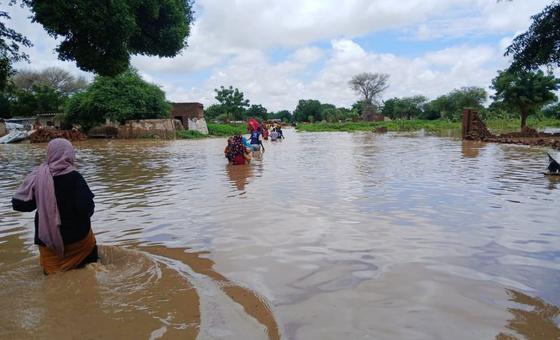
The number of displaced due to disasters has risen massively, climbing from last year’s 26.8 million to 45.8 million. “The number of disaster displacements in 2024 was nearly double the annual average of the past decade,” IOM said in a new report issued by the internal displacement monitoring centre (IDMC).
Almost 30 countries and territories have reported unprecedented disaster displacement – with cyclones accounting for more than one in two people forced from their homes. The United States alone makes up about one in four of those displaced globally by disasters.
With the frequency, intensity and duration of weather hazards continuously worsening owing to climate change, there is little to suggest that the trend will not continue.
“This report is a call for preventive action, to use data and other tools to anticipate displacement before it happens and for the humanitarian and development sectors to work together with governments to develop longer-term solutions to prevent displacement,” Ms. Pope stressed.
Conflict and violence
Displacement caused by conflict and violence remains high and continues to be a major cause for displacement, too – although it did decrease slightly in 2024, compared to the previous 12 months.
Over 20 million conflict-related displacements have been recorded and almost half of these stem from Sudan and the Democratic Republic of the Congo.
“These latest numbers prove that internal displacement is not just a humanitarian crisis; it’s a clear development and political challenge that requires far more attention than it currently receives,” said Alexandra Bilak, director of IOM’s Internal Displacement Monitoring Centre.
“The cost of inaction is rising, and displaced people are paying the price,” she added.


