


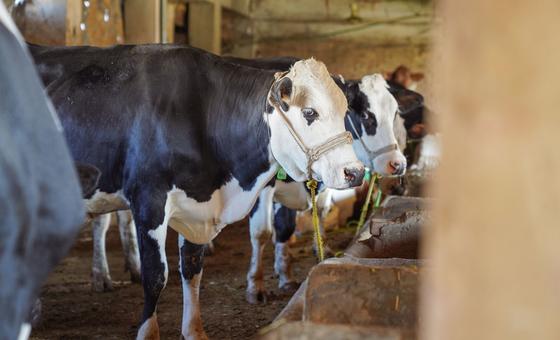
FMD is a highly contagious viral disease affecting cloven-hoofed animals, including cattle, pigs, sheep, goats, and various wild species.
Europe is currently facing its worst outbreak so far this century at the same time as an exotic viral strain has been introduced in Iraq and other countries in the Near East.
Concern for potential spread
“FAO is recommending urgent biosecurity measures and enhanced surveillance following the recent detection of foot-and-mouth disease (FMD) serotype SAT1 in Iraq and Bahrain,” the agency said in an alert.
“This serotype is exotic to the Near East and West Eurasia regions,” the agency continued – meaning the strain is not normally found there – which raises “serious concerns” about its potential spread.
FMD is typically characterized by fever and blisters in the mouth and on the feet of affected livestock, accompanied by lameness. Although few adult animals succumb to disease, young ones may die from sudden heart failure.
The virus spreads rapidly and can affect large numbers of animals, especially in countries or regions that are usually free of the disease or do not regularly use vaccination.
Although FMD is not a public health threat, it severely impacts animal health and welfare, food security and incomes by reducing agricultural productivity, including through decreased milk and meat yields.
The economic impact is also substantial, with global direct production losses and vaccination costs in endemic regions estimated to be $21 billion annually. FAO noted that the true economic burden is likely much higher when disruptions to both international and local trade are taken into consideration.
A major outbreak in the United Kingdom in 2001 led to the culling of more than six million animals and cost the economy billions, devastating the livestock industry and tourism. A series of new measures in response have reportedly reduced the risk and improved resilience, including local and national contingency plans for outbreaks.
Outbreaks and response
The FMD virus was recently detected in parts of Europe normally free of the disease and the continent is now experiencing its worst outbreak since 2001.
Germany detected an outbreak this past January but has since been declared FMD-free, however subsequent outbreaks in Hungary and Slovakia have persisted.
In response, the UK recently announced that it has banned imports of meat or dairy products from European countries where the virus has been detected, as well as Austria due to the outbreak in neighbouring Hungary.
FMD is endemic in the Near East, but the recent upsurge is due to an exotic serotype likely introduced from East Africa. Cases have been reported in Bahrain, Iraq and Kuwait, although other countries are at high risk.
Many strains of the FMD virus continue to circulate in different parts of the world, and the recent outbreaks in both Europe and the Near East highlight the ongoing risk the disease poses to livelihoods, food security and safe trade, said FAO.
Raising awareness
While all governments are urged to be vigilant, the agency said affected and high-risk countries should consider awareness-raising measures among farmers and communities to protect livestock.
Other recommendations include biosecurity measures such as separating sick animals from other livestock and having them examined by professionals, alongside checking vaccination records and verifying FMD contingency plans.
FAO said that by implementing these measures, countries can significantly reduce risks.


