


From promoting gender pay equality to taxes — these are some of the issues at stake in upcoming cantonal referendums in Switzerland.
Four dates have been set aside for referendums in 2025: February 9th, May 18th, September 28th, and November 30th.
In all, except the one in May, voters will weigh in on issues of national importance.
On May 18th, however, no federal votes are scheduled; only cantonal ones will be held.
These are some of them:
Aargau
The popular initiative called ‘Equal Pay in the Canton of Aargau – Now!’ calls for stricter gender pay analysis than mandated by federal law.
On the national level, Swiss firms with 100 or more workers must provide this wage analysis and communicate the results to all their employees, so that the process is totally transparent as to where any improvements need to be made.
READ ALSO: Large Swiss firms must start gender pay gap reporting in 2020
The Aargau initiative, however, goes a step further: it seeks to impose this requirement on companies with at least 50 employees.
Advertisement
Zurich
At stake at the ballot box will be a proposed amendment to the tax law, seeking to lower corporate income taxes by 1 percent.
The current tax rate for businesses in the canton is 19.6 percent, so voters are asked to approve the plan to cut this rate to 18.6 percent.
Though this move, if approved, would generate less revenue for public coffers, the idea behind this proposal is to make Zurich more tax-attractive for companies, consequently creating more jobs and income as well.
Basel-City
Voters will weigh in on the initiative calling for ‘Safe Cycling Routes’ throughout the canton.
It seeks wide, well-marked bicycle priority routes, along with safe crossings for bikes and pedestrians on public roads.
Instigators existing bicycle infrastructure is insufficient and needs to be improved.
Advertisement
Geneva
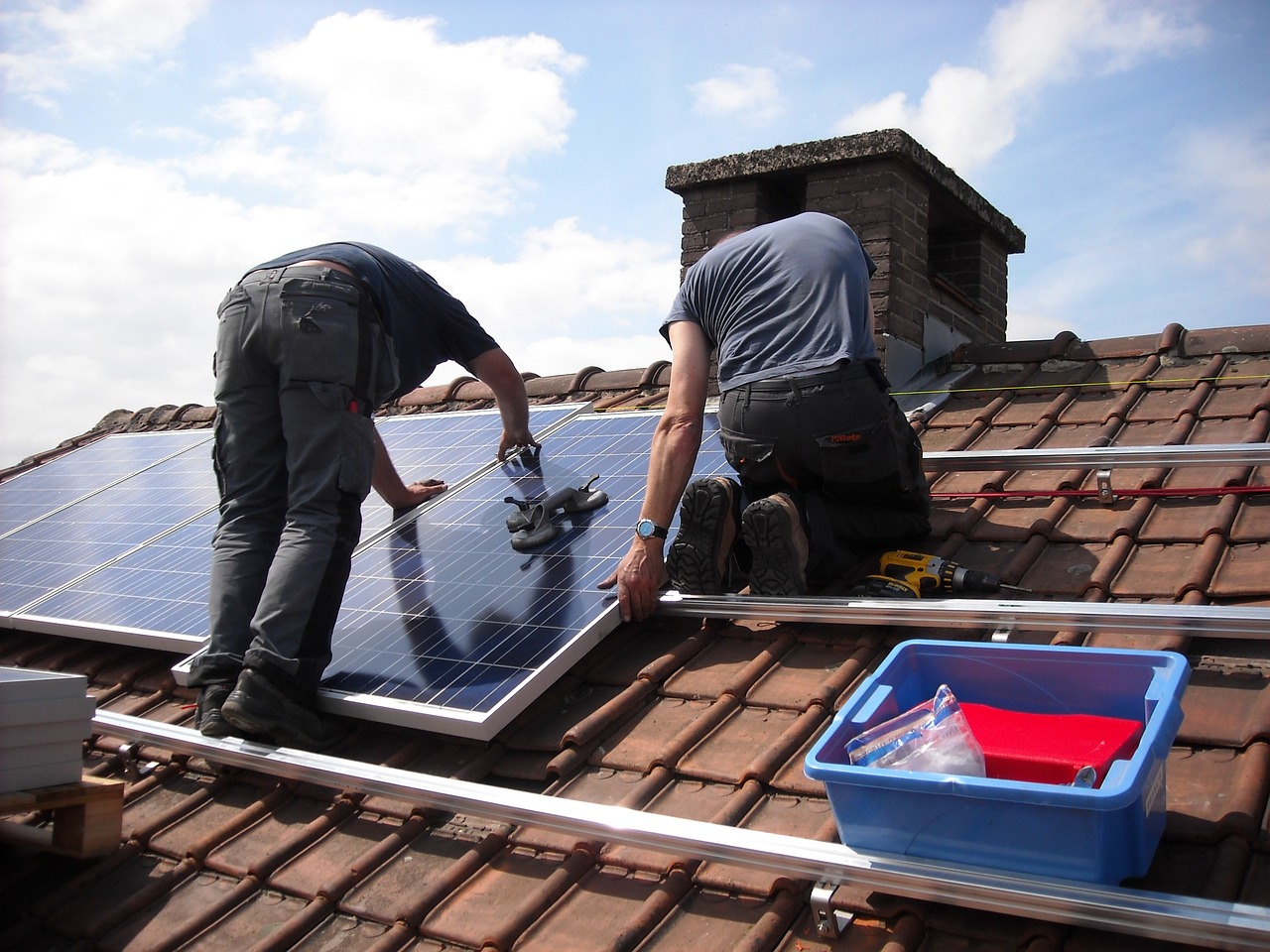
One of the issues on the ballot: A more rapid transition to solar energy.
The initiative aims to make the installation of photovoltaic panels on suitable roofs and facades mandatory, with a target of complete deployment by 2035.
To simplify the implementation of the measure, the initiative provides for an accelerated procedure: projects that comply with federal law would not require an official authorisation.


