


Concerns about rental prices and cultural change caused by rising numbers of tourist flats are moving inland into Spain’s smaller ‘B cities’, with many of the same problems and similar issues in finding solutions.
2024 was truly a year of protest in Spain. Whether it be Madrid, Barcelona, Valencia, Granada, the Canary and Balearic Islands or any of the other major cities in Spain’s traditional tourist hotspots, last year hundreds of thousands of locals took to the streets to protest against mass tourism and, in particular, the impact this has on the rental market.
The post-pandemic boom of short-term tourist rental platforms like Airbnb in Spain has decreased the supply of affordable inner-city housing and inflated the price of what’s left.
In many cities, average rental prices are up by as much as 10 percent year-on-year. Staggeringly, the price rise on room rentals is 90 percent when compared to figures from 2015, according to new data published by property portal Idealista. In many of Spain’s provincial capitals, average rents are north of €1000 per month.
READ ALSO: Why it’s ‘almost impossible’ for Spain to police illegal tourist lets
But this isn’t just a problem in Spain’s major cities, provincial capitals and popular tourist destinations.
Now local Spanish media reports increasingly paint a picture of Spain’s smaller ‘B’ cities also struggling against the rise in tourist accommodation. Like in big cities, this brings inevitable price rises and cultural gentrification, and some fear that prices have increased so sharply in major cities that people are beginning to venture out to smaller cities.
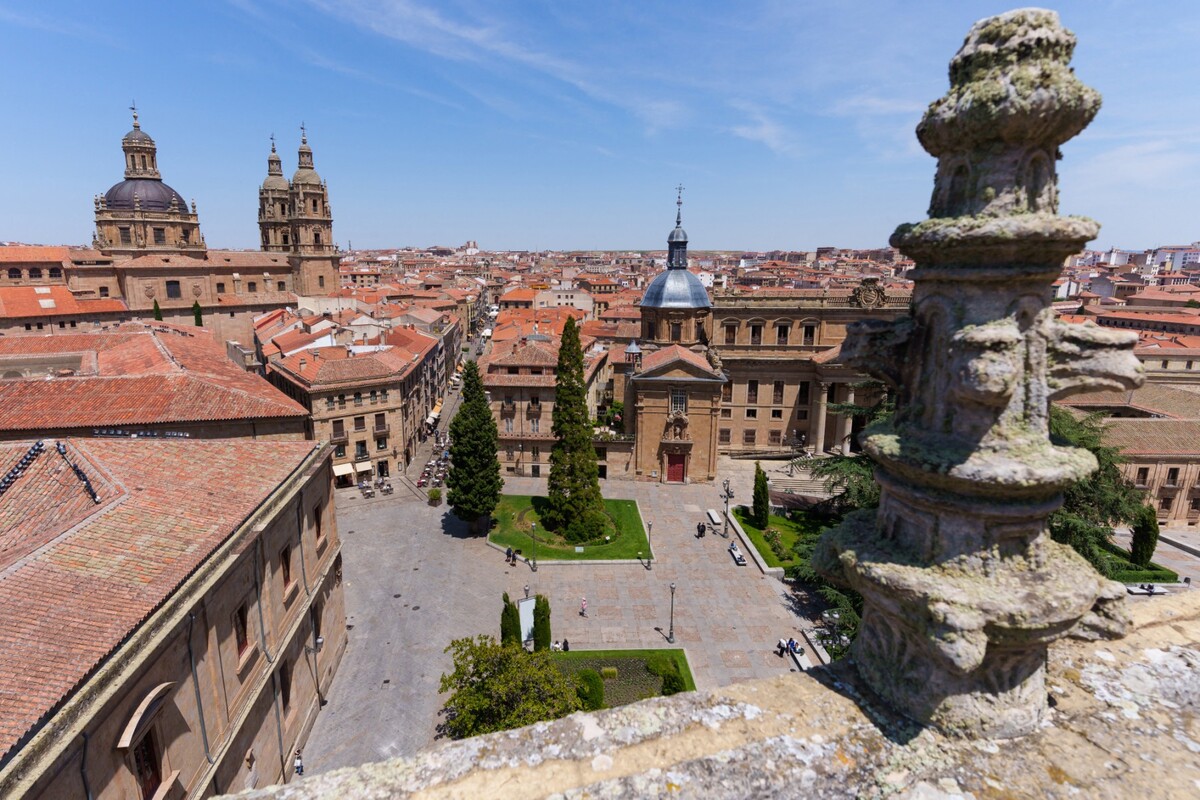
In Salamanca, a medium-sized city of around 140,000 in western Spain, locals have demanded “urgent measures” to slow the proliferation of tourist apartments, with neighbourhood associations joining forces to call on local government to take action.
Locals have, exactly like in major cities, expressed concerns about the impact tourist lets are having on residents; lives, the decline in neighbourhood identity, a steep increase in rental prices due to the reduction in the supply of residential housing, noise and disturbances at night, and the impact on local commerce.
Price data from Idealista shows that average rental prices in the western city are up by almost 10 percent (9.4) overall year-on-year.
Advertisement
In Logroño, a similar sized city in La Rioja, short-term tourist flats are reportedly appearing “without regulation” and have doubled in number in recent years.
Opposition parties in the city are demanding a total moratorium on new tourist accommodation, criticising the incumbent Partido Popular council for failing to present a market analysis previously promised and pointing out that regulations expired in November.
In Toledo, the local government has already approved new regulations governing tourist apartments and homes in the regional capital.
The regulations established that they may not exceed 12 percent of the total number of homes in the Castilla-La Mancha city, and that new rules will be implemented in all neighbourhoods in the city and not just the historic centre.
Figures from Idealista show that average rents in Toledo have risen steadily since the end of the pandemic, with prices in February 2025 almost 7 percent higher than in 2024.
Advertisement
On a regional level, reporting from Cadena Ser suggests that the number of holiday homes in Castilla-La Mancha is skyrocketing, with 1,276 more than four years ago, according to the latest statistics from Spain’s national stats body, INE.
Despite that, Castilla-La Mancha is, in percentage terms, after Extremadura, the region with the fewest tourist homes in Spain, but the direction of travel in these less popular regions, especially in Spain’s so-called ‘B cities’ around the country, seems clear — prices are going up.
READ ALSO: What will happen to rents in Spain in 2025?


