• Login
Thursday, April 23, 2026
Geneva Times
  • Home
  • Editorial
  • Switzerland
  • Europe
  • International
  • UN
  • Business
  • Sports
  • More
    • Article
    • Tamil
No Result
View All Result
  • Home
  • Editorial
  • Switzerland
  • Europe
  • International
  • UN
  • Business
  • Sports
  • More
    • Article
    • Tamil
No Result
View All Result
Geneva Times
No Result
View All Result
  • Home
  • Editorial
  • Switzerland
  • Europe
  • International
  • UN
  • Business
  • Sports
  • More
Home Switzerland

Geneva university challenges ‘hot Jupiter’ planetary theories

GenevaTimes by GenevaTimes
January 17, 2025
in Switzerland
Reading Time: 21 mins read
0
Geneva university challenges ‘hot Jupiter’ planetary theories
0
SHARES
0
VIEWS
Share on FacebookShare on Twitter


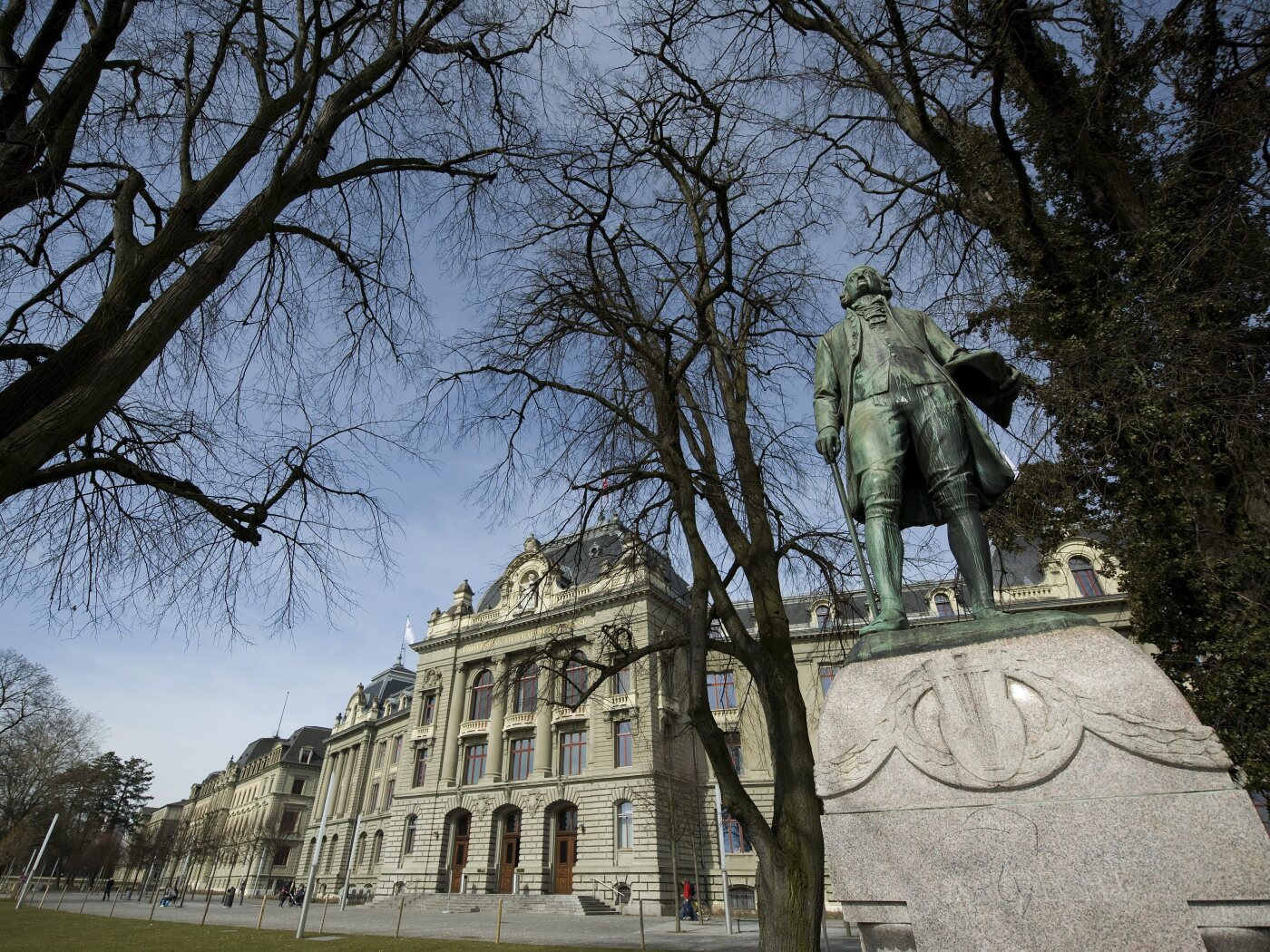
Geneva University: formation of planetary systems falters

Geneva University: formation of planetary systems falters


Keystone-SDA


Generated with artificial intelligence.

Research by astronomers, led by the University of Geneva (UNIGE), challenges current theories about the formation of planetary systems that feature a so-called hot Jupiter planet.


This content was published on


January 16, 2025 – 11:58

+Get the most important news from Switzerland in your inbox

A hot Jupiter is a planet with a mass similar to the Jupiter of our solar system but orbiting very close to its star, which raises its temperature to extremely high levels.

The Geneva scientists’ work, which began in 2006, started with observations of the planet designated as WASP-132b, which is so close to its sun that it takes only seven days and three hours to make one revolution around it. By way of comparison, our Jupiter takes almost 12 years.

The hot Jovian planets have so far only been observed isolated around their star, with no other planets in their vicinity. This observation seemed very solid as there is a theory that explains it. When, during the process of planetary system formation, giant planets migrate toward their star, those in their inner orbits are either incorporated or ejected, said UNIGE.

More

Opinion


More

The humans of tomorrow will live on Mars


This content was published on


Apr 7, 2021


We should accept the challenge of putting humans on Mars because our technology is very close to making it possible, argues Pierre Brisson.


Read more: The humans of tomorrow will live on Mars


In the WASP-132 planetary system, which is about 400 light-years from Earth, the theory does not hold. Its final rejection is not yet consummated, but it is very likely, the note says. A short distance from the star, in addition to hot Jupiter, researchers have identified a rocky planet like Earth, but six times its mass-with an orbit even closer to its sun than the Jovian planet (a year on this planet lasts only 24 hours and 17 minutes).

Giant planets like WASP-132b (which “weighs” 41% of Jupiter) cannot form in the vicinity of their star because there is not enough gas and dust “in place” for them to aggregate. They must therefore form far from the star and migrate as the planetary system evolves.

WASP-132 has other planets in addition to the hot Jupiter and super-Earth: a giant one (five times the mass of Jupiter) that takes five years to make one revolution around the star and, much farther away, an even heavier one, probably a so-called brown dwarf (a special type of celestial object, with a mass larger than that of a planet but smaller than that of the Sun).

More

Opinion


More

We will never live on Mars, or anywhere else besides Earth


This content was published on


Apr 7, 2021


Following a groundbreaking year for Mars exploration, Sylvia Ekström and Javier Nombela argue that our trips there should and will remain robots’ job.


Read more: We will never live on Mars, or anywhere else besides Earth


In order to preserve the architecture of this planetary system, particularly the presence of the super-Earth in the vicinity of the star and the giant five times heavier than Jupiter, the migration process of WASP-132b must have occurred differently than predicted by current theory and models. If not, the orbit of the two planets would have been destabilised: “Their presence rather suggests a more stable and dynamically ‘soft’ migration path in a protoplanetary disk for the hot Jupiter that preserved its (planets’) neighbors.”

“The WASP-132 system is an extraordinary laboratory for studying the formation and evolution of multiplanetary systems. The discovery of a hot Jupiter next to a super-Earth (…) and a distant giant challenges our understanding of the formation and evolution of these systems,” said François Bouchy, a professor in the Department of Astronomy at UNIGE’s Faculty of Science and co-author of the study. “This is the first time we observe such a (planetary) configuration,” added Solène Ulmer-Moll, a researcher at UNIGE and the University of Bern at the time of the study.

The research, published in the journal Astronomy & Astrophysics, also involved the universities of Bern and Zurich and several foreign universities.

Translated from Italian by DeepL/mga

This news story has been written and carefully fact-checked by an external editorial team. At SWI swissinfo.ch we select the most relevant news for an international audience and use automatic translation tools such as DeepL to translate it into English. Providing you with automatically translated news gives us the time to write more in-depth articles.

If you want to know more about how we work, have a look here, and if you have feedback on this news story please write to english@swissinfo.ch.

Teaser: Listen to our Inside Geneva Podcast. Available on all major podcast platforms.

Articles in this story

SIX holds on to Spanish stock exchange BME

More

SIX holds on to Spanish stock exchange BME


This content was published on


Jan 16, 2025


Swiss stock exchange operator SIX has rejected a possible sale of the Spanish stock exchange BME.


Read more: SIX holds on to Spanish stock exchange BME


Geneva Airport back to pre-Covid levels

More

Geneva airport traffic nearly back to pre-Covid levels


This content was published on


Jan 16, 2025


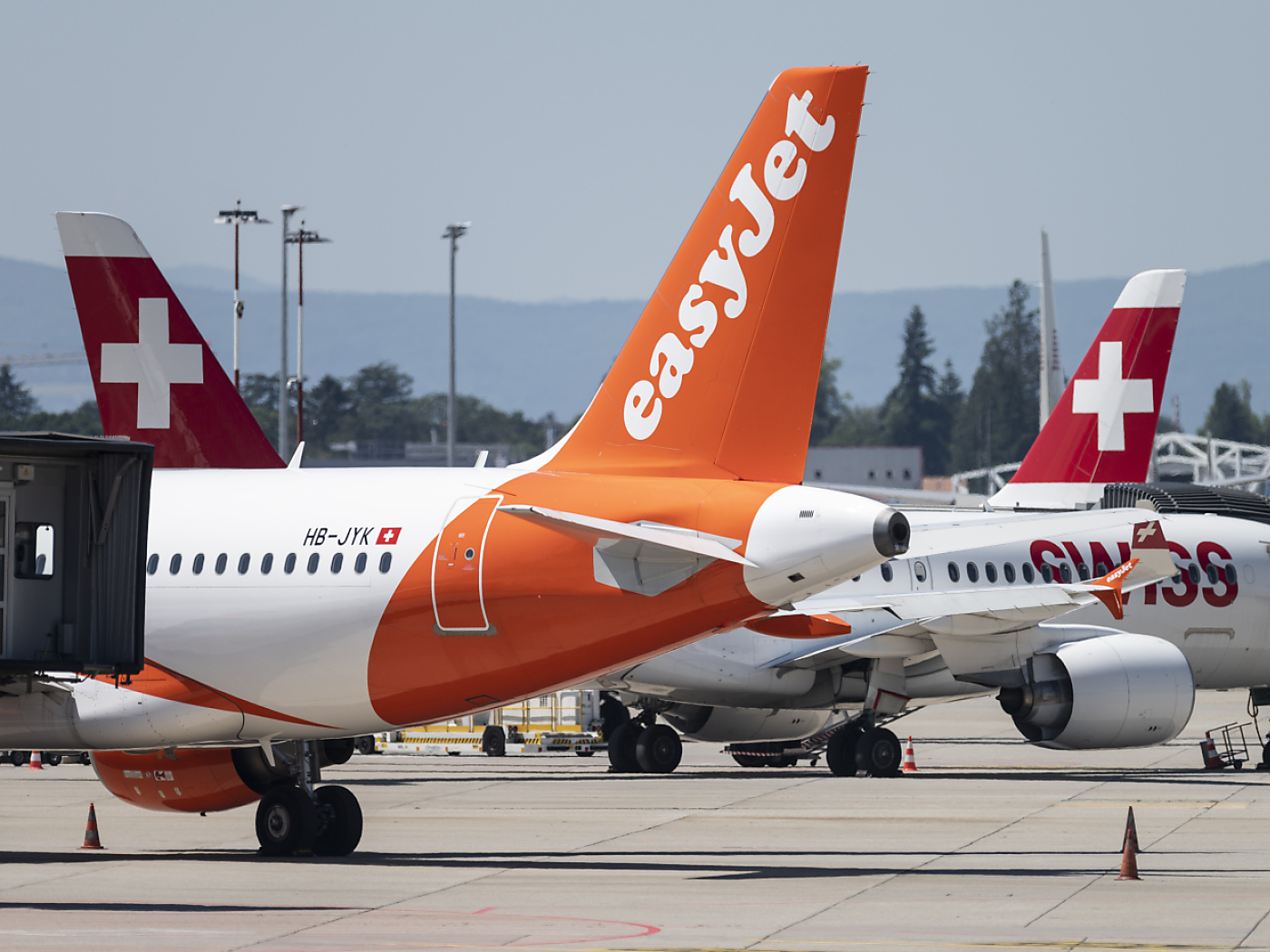
Flights at Geneva airport last year almost regained the passenger levels of 2019, and should even surpass them by 2025.


Read more: Geneva airport traffic nearly back to pre-Covid levels


High Swiss investment in technology start-ups

More

Big Swiss investment in technology start-ups


This content was published on


Jan 16, 2025


Switzerland is one of the frontrunners at investing in technology start-ups, according to a study by the European Patent Office.


Read more: Big Swiss investment in technology start-ups


Temporary braking effect on the Swiss real estate market

More

Swiss property prices cooled at the end of 2024


This content was published on


Jan 16, 2025


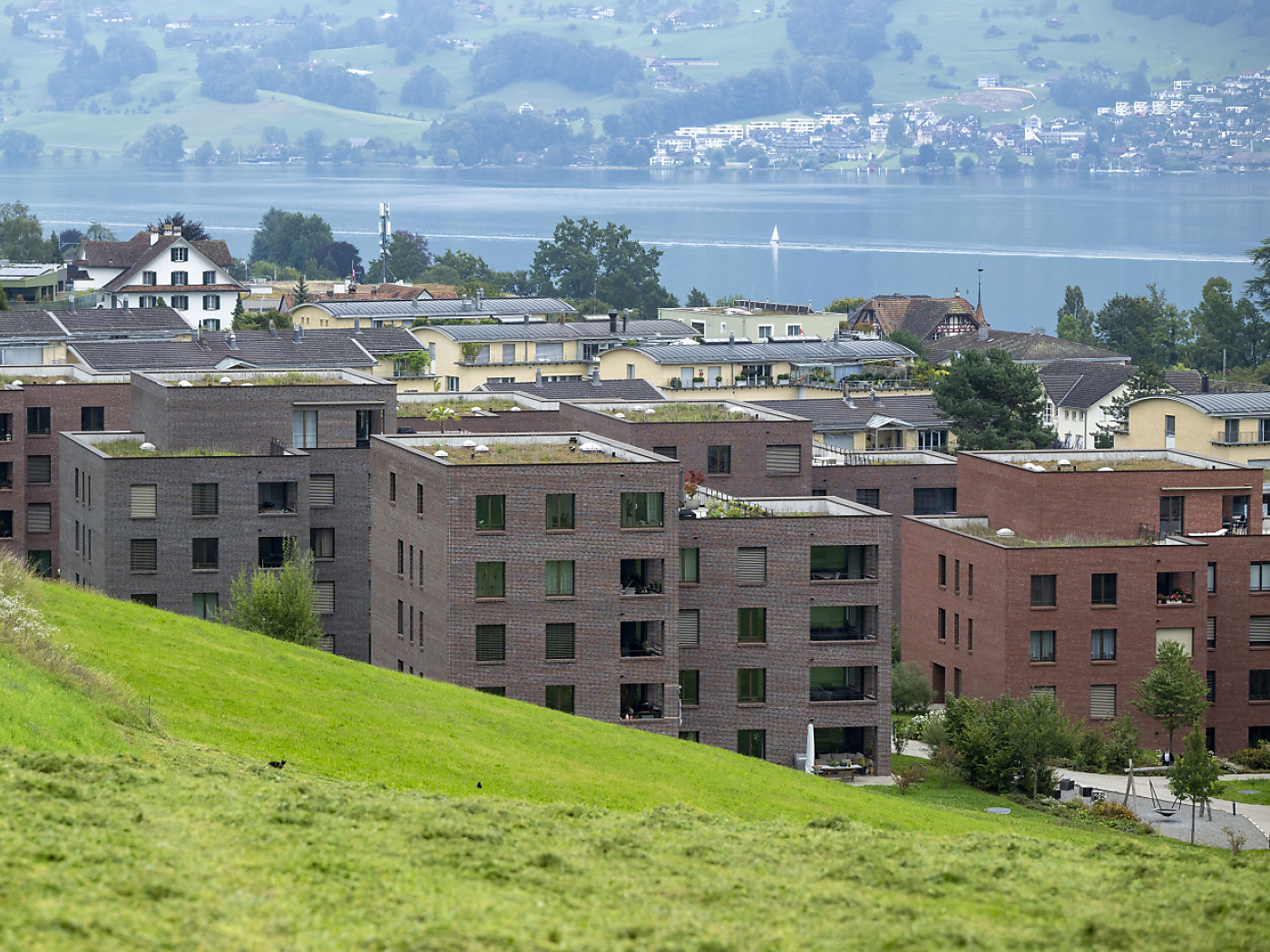
Swiss property prices rose only minimally in the fourth quarter of 2024.


Read more: Swiss property prices cooled at the end of 2024


Swiss resumes flight operations to Tel Aviv

More

SWISS resumes flights to Tel Aviv


This content was published on


Jan 16, 2025


Swiss will resume flight operations to Tel Aviv from February 1.


Read more: SWISS resumes flights to Tel Aviv


Bankruptcies: debtors in Switzerland get another chance

More

Bankrupt debtors to get second chance in Switzerland


This content was published on


Jan 16, 2025


Over-indebted people in Switzerland will be offered a new chance to wipe the slate clean with new procedures to restructure debt.


Read more: Bankrupt debtors to get second chance in Switzerland


Flight operations with Swiss drones suspended after incident in India

More

Swiss drone flights suspended after India incident


This content was published on


Jan 16, 2025


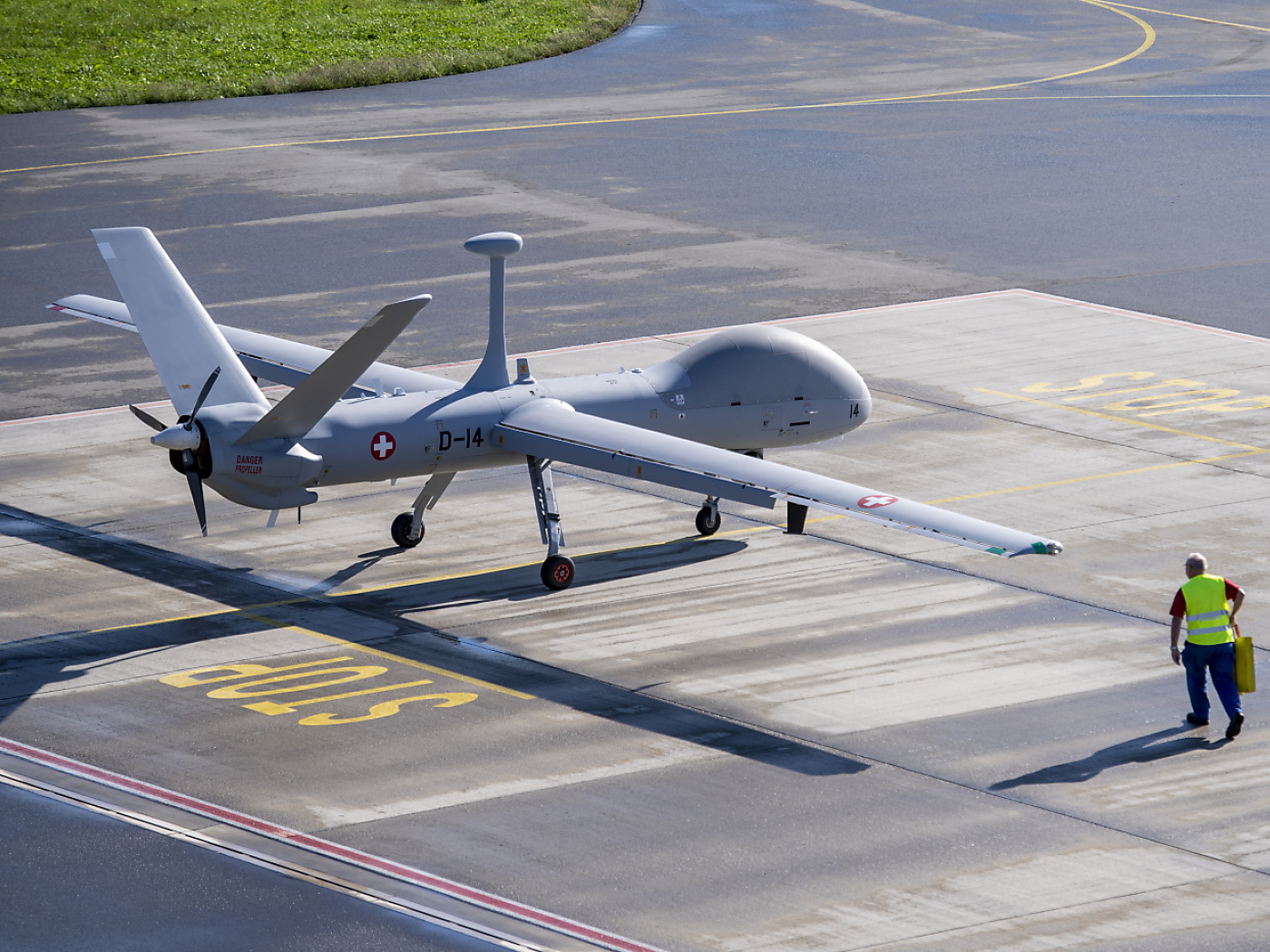
Swiss army suspends ADS 15 reconnaissance drone flights following an incident involving a drone of the same type in India.


Read more: Swiss drone flights suspended after India incident


Traffic signs in Zurich should also depict women

More

Zurich traffic signs get gender diversification makeover


This content was published on


Jan 16, 2025


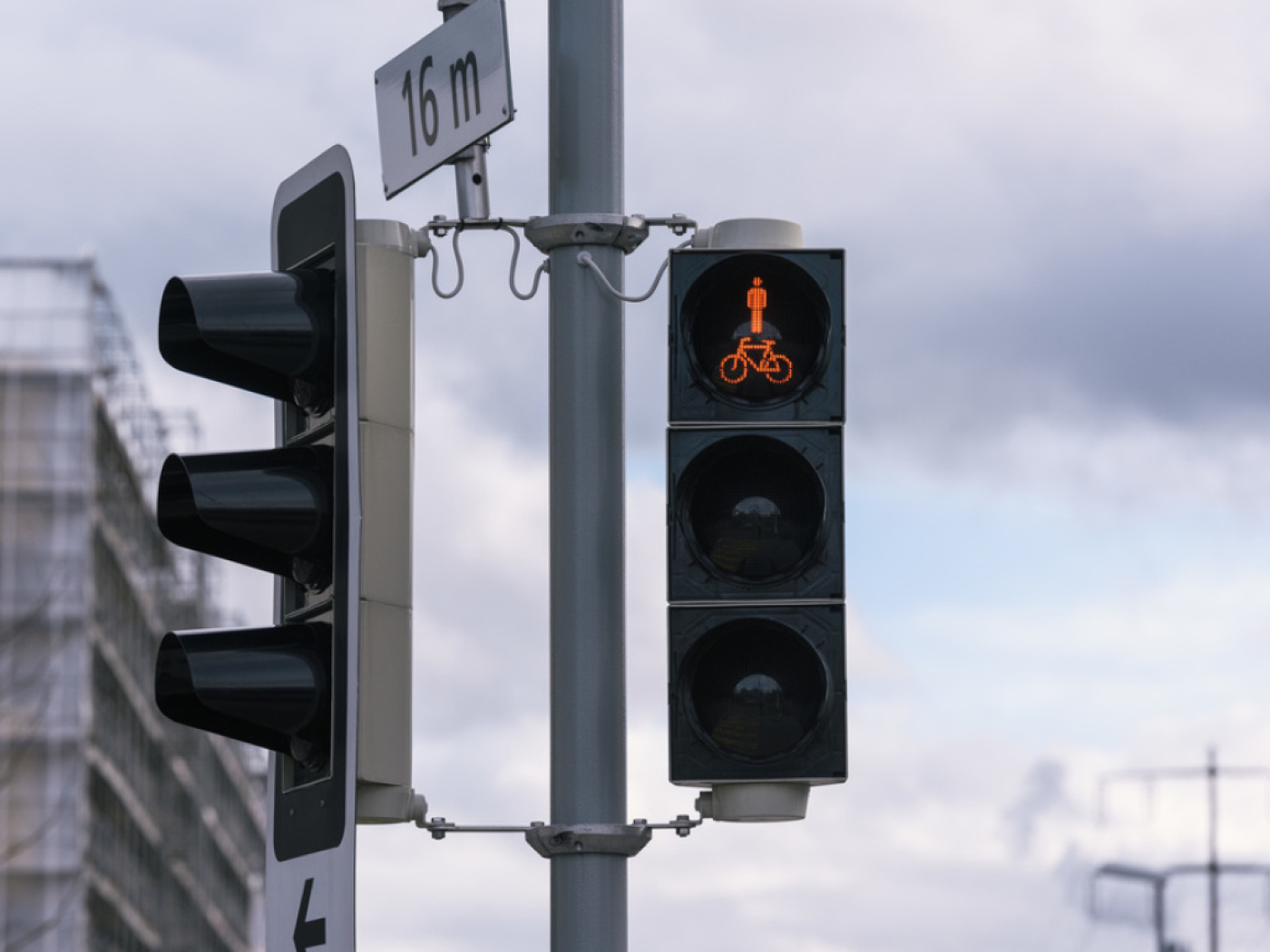
The little men depicted on Zurich street signs are to be joined by women, pregnant women, lesbian couples or senior citizens with walking sticks.


Read more: Zurich traffic signs get gender diversification makeover


Global risks: State conflicts in first place in 2025

More

Global conflict threat tops 2025 risks: WEF


This content was published on


Jan 16, 2025


Global conflict cited as gravest threat to the world this year, in a WEF survey of 900 decision-makers.


Read more: Global conflict threat tops 2025 risks: WEF


The Gulf Stream has not yet weakened, according to new Bern study

More

Gulf Stream not weakening yet, says Swiss study


This content was published on


Jan 15, 2025


A Swiss study suggests that the Gulf Stream hasn’t weakened yet, but it’s too early to sound the all-clear on future climate change.


Read more: Gulf Stream not weakening yet, says Swiss study


Read More

Previous Post

New year sees uptick and expansion of fighting on Ukraine’s frontlines

Next Post

Dylan Harper finishes a tough layup, extending Rutgers' lead over Nebraska

Next Post
Dylan Harper finishes a tough layup, extending Rutgers' lead over Nebraska

Dylan Harper finishes a tough layup, extending Rutgers' lead over Nebraska

Leave a Reply

Your email address will not be published. Required fields are marked *

ADVERTISEMENT
Facebook Twitter Instagram Youtube LinkedIn

Explore the Geneva Times

  • About us
  • Contact us

Contact us:

editor@thegenevatimes.ch

Visit us

© 2023 -2024 Geneva Times| Desgined & Developed by Immanuel Kolwin

Welcome Back!

Login to your account below

Forgotten Password?

Retrieve your password

Please enter your username or email address to reset your password.

Log In
No Result
View All Result
  • Home
  • Editorial
  • Switzerland
  • Europe
  • International
  • UN
  • Business
  • Sports
  • More
    • Article
    • Tamil

© 2023 -2024 Geneva Times| Desgined & Developed by Immanuel Kolwin