Tehran discussed more than nuclear issues with the EU in Geneva
Keystone-SDA
Generated with artificial intelligence.
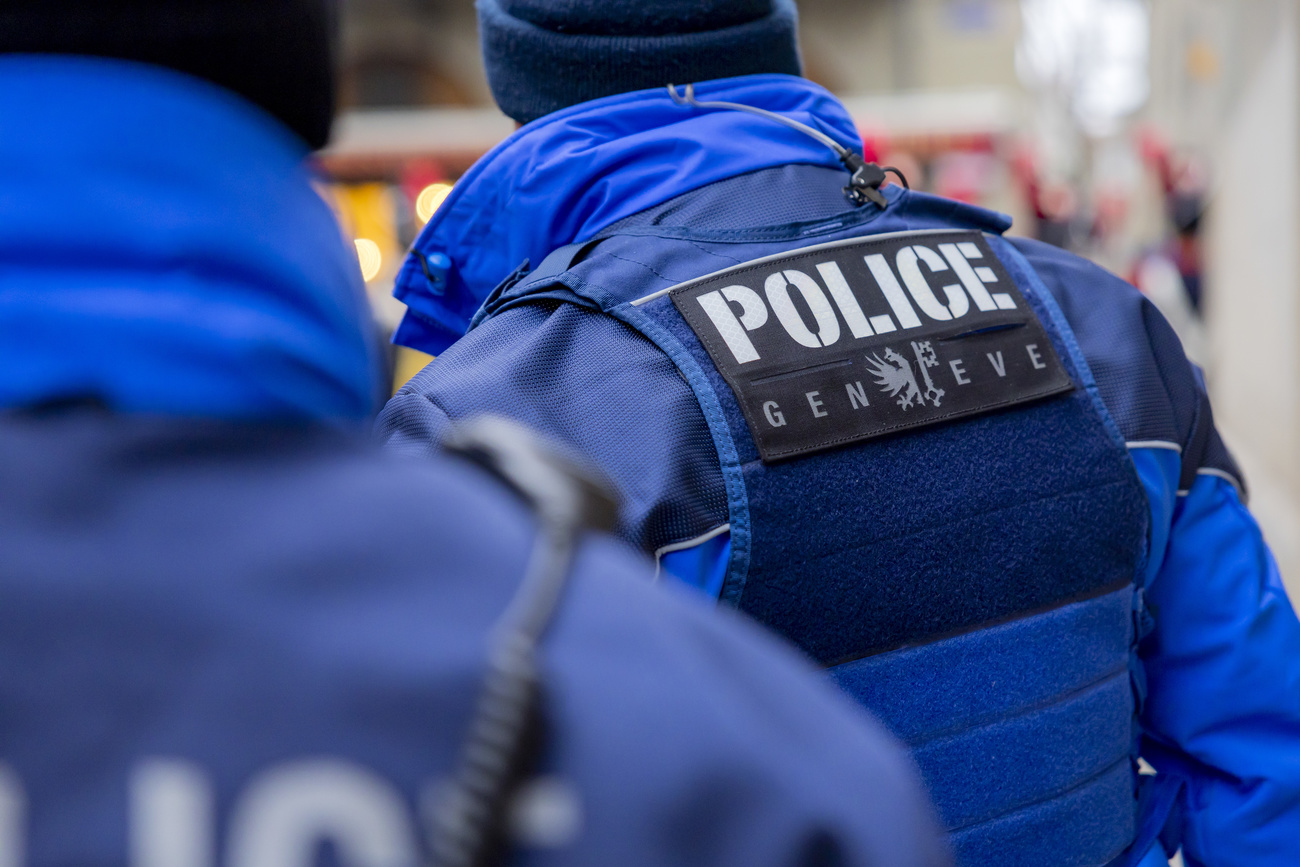
Iran continued its nuclear talks with European officials in Switzerland. After meeting with French, German, and British representatives on Monday, they continued discussions with the EU representatives on Tuesday. The talks also touched on Russia and the Middle East.
On Monday evening, Tehran and the three European states issued brief statements, describing their talks as “serious, frank and constructive”. Tuesday’s discussions with the EU representative followed a similar pattern.
Iran’s Deputy Foreign Minister for International Affairs, Kazem Gharibabadi, described the format as “open and constructive” on social media. He added that the meeting, also attended by Deputy Foreign Minister Majid Takht-Ravanchi, had “mainly” focused on nuclear issues.
They also discussed “issues of common interest” and the “unacceptable European support for the Israeli regime’s crimes in Gaza,” said Gharibabadi.
Enrique Mora, Deputy Secretary General of European diplomacy, said the two sides had “explored avenues for a diplomatic solution to the nuclear issue”. “I also addressed Iran’s unacceptable military support for Russia,” he added using language similar to that of his Iranian counterpart when criticising European actors in the Middle East.
More
Opinion
More
Iran won’t compromise on nuclear issues unless forced
This content was published on
Germany, France and the UK are meeting in Geneva to discuss the future of Iran’s nuclear programme. How can they push Iran to end it?
Following talks in November, these new consultations took place just days before Donald Trump’s return to power. The former and future US president had previously withdrawn the US from the nuclear agreement between Tehran and the West.
Iran aims to get the sanctions lifted. Meanwhile, the three European states are worried about the progress of Iran’s nuclear programme. In early December, they expressed their “concern” in a letter to the UN Security Council, urging Iran not to escalate the situation.
They also stated they were prepared to reimpose sanctions “to prevent it from acquiring nuclear weapons”. Tehran has started using new centrifuges at Fordo, one of the country’s largest facilities, in central Iran. According to the International Atomic Energy Agency (IAEA), Iran is the only non-nuclear-weapon state to enrich uranium to 60%. While Iran claims it intends to use these resources for civilian purposes, the West remains sceptical.
Translated from French by DeepL/sp
This news story has been written and carefully fact-checked by an external editorial team. At SWI swissinfo.ch we select the most relevant news for an international audience and use automatic translation tools such as DeepL to translate it into English. Providing you with automatically translated news gives us the time to write more in-depth articles.
If you want to know more about how we work, have a look here, and if you have feedback on this news story please write to english@swissinfo.ch.
More
Gulf Stream not weakening yet, says Swiss study
This content was published on
A Swiss study suggests that the Gulf Stream hasn’t weakened yet, but it’s too early to sound the all-clear on future climate change.
Lucerne-based steelmaker Swiss Steel has confirmed it will cut 130 jobs in Emmenbrücke, despite the emergency aid promised by Switzerland’s parliament.
European committee raises alarm over police violence in western Switzerland
This content was published on
A Council of Europe committee is concerned about police practices in western Switzerland, citing “allegations of physical mistreatment” against detainees.
WEF: Trump to speak virtually, Zelensky to appear in person
This content was published on
US President-elect Donald Trump will attend this year’s annual meeting of the World Economic Forum (WEF) in Davos via video conference. He is scheduled to speak on January 23.