


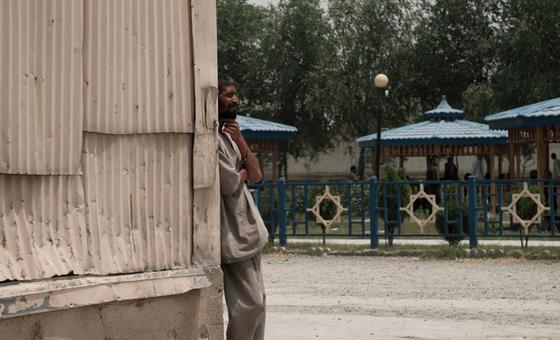
The Mapping of Facilities for Treatment of Substance Use Disorders in Afghanistan report, conducted in collaboration with the UN Development Programme (UNDP), is the first comprehensive survey of the country’s treatment capacity.
While services are operational in 32 of Afghanistan’s 34 provinces, systemic barriers – especially for women – severely limit access to care.
Gender disparities and strained resources
The report found that only 17 per cent of the 82 operational facilities cater exclusively to women, and services for female patients are accessible in just over a third of provinces, leaving many women without adequate care.
The survey also highlights acute shortages of qualified medical personnel, essential supplies, and infrastructure funding.
Over 72 per cent of centres operate at or near full capacity, yet many lack basic resources such as naloxone, a life-saving medication for opioid overdoses.
Additionally, community-based care, a more accessible alternative to residential treatment, remains underdeveloped. Most facilities rely on resource-intensive residential models, disproportionately affecting rural populations who are underserved.
A changing drug landscape
Afghanistan is also experiencing a troubling shift in drug trends.
While opiates such as heroin and opium remain the leading substances driving treatment admissions, the use of synthetic drugs like methamphetamine is rising rapidly.
Methamphetamine-related admissions now account for a growing portion of cases, complicating treatment needs and straining already limited resources.
This shift is occurring alongside a decline in opium production, which in 2024 totalled 433 tonnes – a 30 per cent increase from 2023, but still 93 per cent below 2022 levels, when the de facto authorities began enforcing a nationwide drug ban.
The report warns that without targeted interventions, the proliferation of synthetic drugs could deepen Afghanistan’s public health crisis.
Coordinated action needed
The findings call for urgent collaboration between Afghanistan’s de facto authorities and the international community to address these challenges.
“International efforts must be coordinated to ensure that this decline is not replaced with production of dangerous synthetic drugs such as methamphetamine within Afghanistan or the wider region,” said Ghada Waly, Executive Director of UNODC.
Expanding gender-sensitive services, increasing community-based care options, and addressing critical resource gaps are among the top priorities.
Investment in infrastructure, medical supplies, and workforce training is also essential to improve the quality and accessibility of treatment services across the country.


