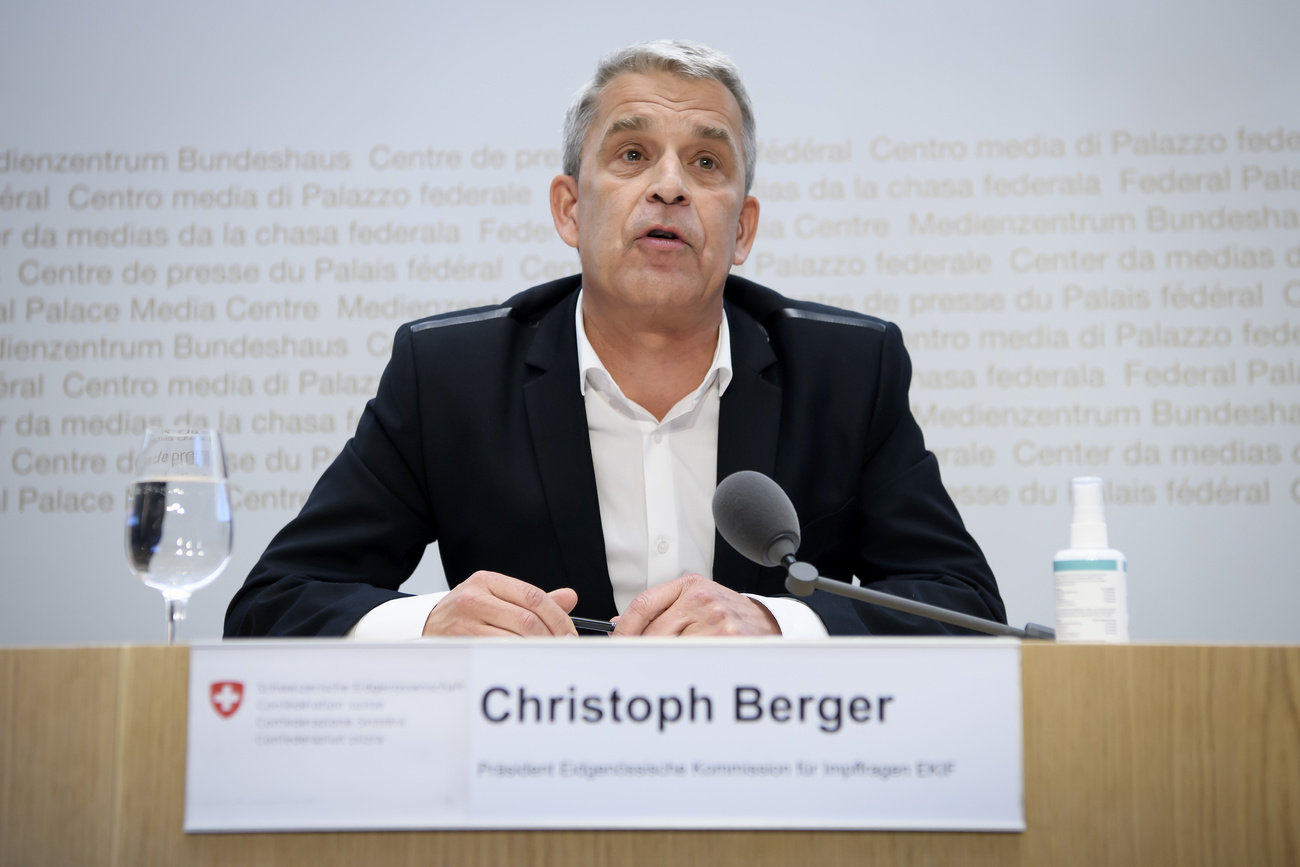
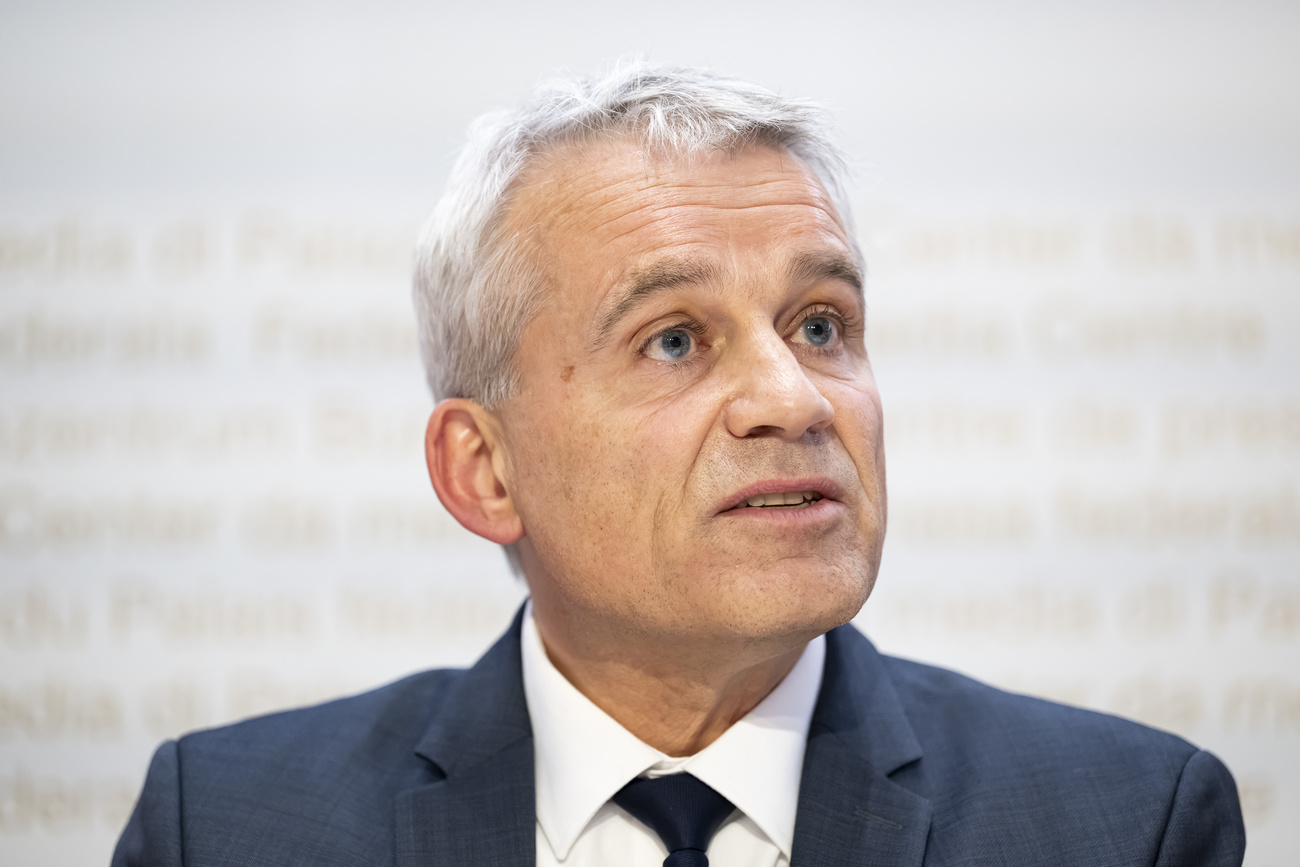
Christoph Berger is leaving the Federal Commission for Vaccination Questions (Efik) at the end of the year.
Keystone-SDA
Generated with artificial intelligence.
Christoph Berger, former president of the Federal Commission for Vaccination Questions, would be “even more cautious today” when it comes to vaccination recommendations for Covid-19. He says in a review of the coronavirus pandemic.
“Of course, those who want to, should be able to vaccinate. But recommendations that are primarily about protecting others and not yourself are difficult,” says Berger in an interview with the SonntagsZeitung newspaper. “That’s why there was resistance during the pandemic,” Berger continues.
One question that Berger would be more concerned with today than back then is: which recommendations are no longer necessary and how do we get back to normality? Berger would also “think and communicate even more clearly in scenarios today, as long as many things are still unclear”.
However, Berger also says that the measures were right at the beginning of the pandemic. They prevented deaths among people at risk and were supported by the vast majority of the population. It was “certainly right” to end the restrictions quickly. “Alain Berset [who was health minister at the time] was right to move forward quickly compared to neighbouring countries.”
Taking vaccination complications seriously
In reflecting on the second coronavirus winter, he said that different measures for those vaccinated and unvaccinated against Covid led to unequal treatment that became “increasingly difficult” for people who were at low risk of developing complications themselves.
“In retrospect, this could possibly have been stopped more quickly after people at risk had had sufficient opportunity to be vaccinated and the effect of the vaccination on transmission was minimal.”
More
More
First Swiss damages awarded for Covid vaccine side-effects
This content was published on
Coronavirus vaccine victim awarded compensation of CHF12,500 and damages of CHF1,360.
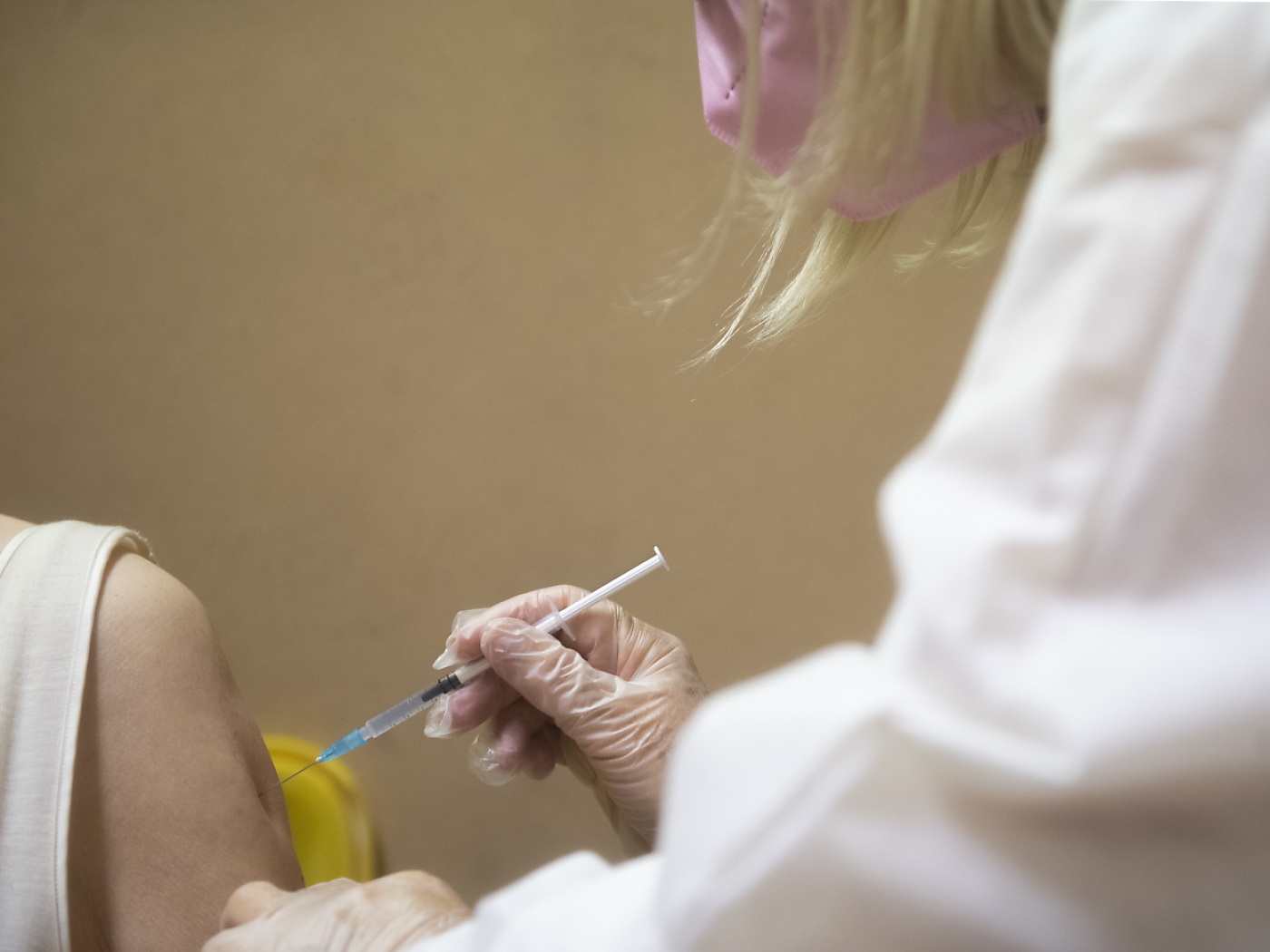
In the interview, Berger also calls for people with complications following vaccination to be taken seriously. Such reports should be investigated and actual vaccination damage recognised. Clarifications on such reports are underway at the federal government. “Unfortunately, those affected will have to be patient until these are finalised.” However, serious side effects after a vaccination are “very rare”.
According to the SonntagsZeitung, Berger is leaving the Federal Commission for Vaccination Questions (Efik) at the end of the year, having already handed over the chairmanship to his namesake Christoph Tobias Berger from Basel.
Berger says: “At some point, enough is enough. There are new people who are willing to get involved and who are doing a very good job.”
Translated from German by DeepL/jdp
This news story has been written and carefully fact-checked by an external editorial team. At SWI swissinfo.ch we select the most relevant news for an international audience and use automatic translation tools such as DeepL to translate it into English. Providing you with automatically translated news gives us the time to write more in-depth articles.
If you want to know more about how we work, have a look here, if you want to learn more about how we use technology, click here, and if you have feedback on this news story please write to english@swissinfo.ch.
More
Swiss man found dead in Jakarta
This content was published on
A 34-year-old Swiss man has been found dead in the room he was renting in Jakarta.
Study finds more heavy metal detected in Swiss grassland
This content was published on
Copper and zinc can be expected to accumulate in the soil, particularly if farmyard manure is used for several years and is greater than the amount of nutrients absorbed by the grass. This was announced by the Federal Office for the Environment (FOEN) on Friday. The findings are based on the results of the seventh National Soil Monitoring of Switzerland (Nabo).
Court rules al-Qaeda supporter can stay in Switzerland
This content was published on
A Kurdish supporter of the Islamist terrorist network al-Qaeda can stay in Switzerland, the Federal Administrative Court has ruled. It has withdrawn the annulment of the man’s provisional admission.