


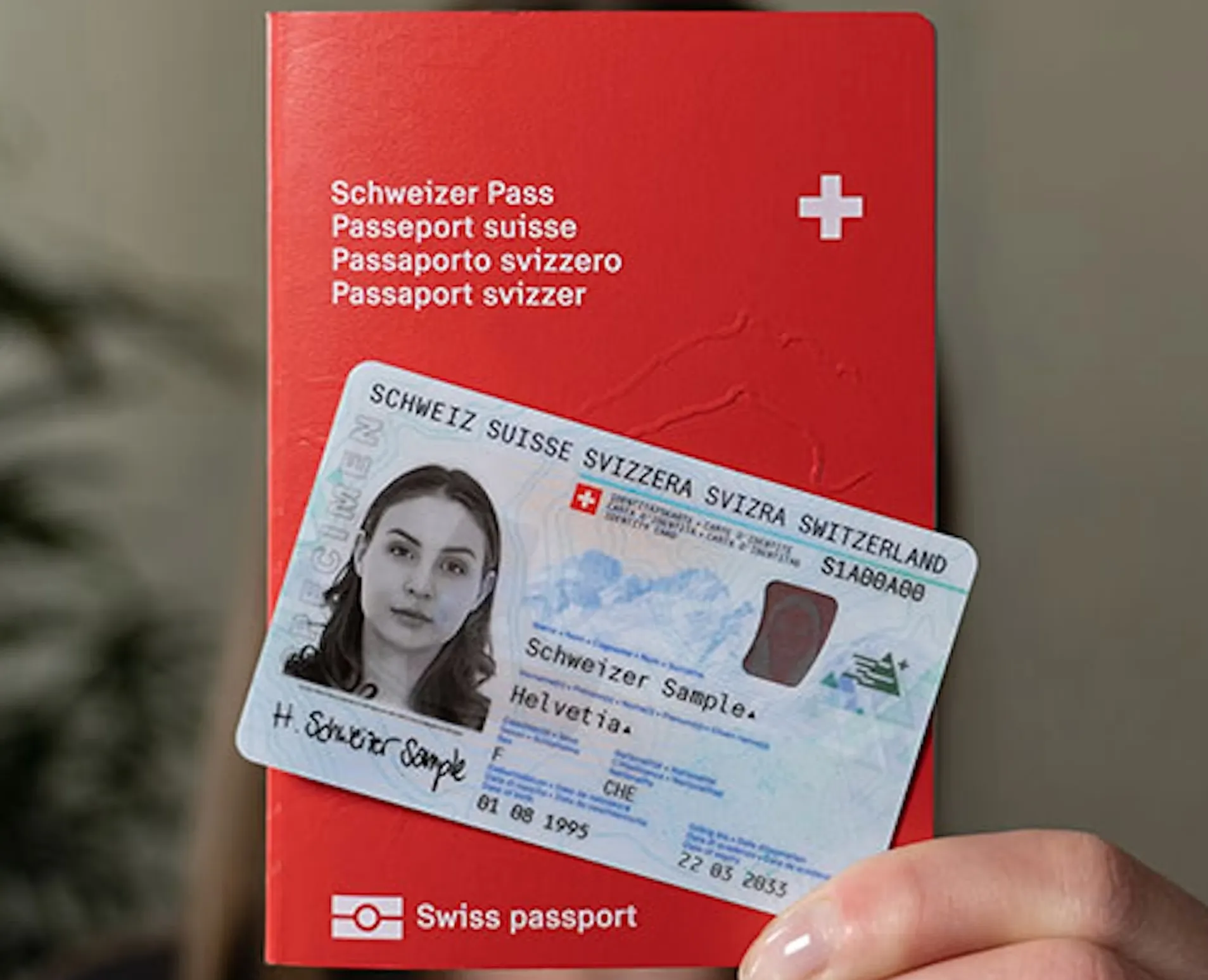
From a referendum on easier naturalisation rules to further debates in the Parliament over the proposed immigration tax – these are some of the issues that will impact foreign nationals in Switzerland in 2027.
Some of the ‘old’ – that is, still pending – issues relating to foreign nationals will spill over into Switzerland’s political agenda in 2027.
But at least one of them will be resolved in a referendum to be held on February 28th:
Initiative to shorten residency requirements for naturalisation
The controversial bid (also known as the “Democracy initiative”) aims to cut the wait time before a foreigner can apply for Swiss citizenship from the current 10 years of residency down to five.
The initiative also calls for the federal government to be responsible for naturalisation, so that the procedure is standardised across the country.
Currently, individual cantons may impose their own naturalisation criteria, which are sometimes stricter than the ones set by the federal migration authorities.
The issue is on the ballot on February 28th, so its outcome will be known early in 2027.
READ MORE: What’s the plan to cut residency periods for Swiss citizenship?
Don’t miss our journalists’ daily news roundup from Switzerland
Immigration tax
Under the current version of this long-in-the-making proposal, which has been approved by the Council of States, a 4,000-franc tax will be imposed on foreign nationals who settle in the country.
Adult family members who arrive in Switzerland under family reunification rules would be subject to a levy of at least 2,000 francs.
The Federal Council has said the revenue from the tax would be “redistributed to the population and the economy.”
At this time, the future of this proposal is still up in the air, with everyone involved agreeing on one point: that actual implementation will face numerous legal and other obstacles.
Firstly, the National Council – the lower chamber of parliament – still has to weigh in on this issue, especially in regards to EU nationals who arrive in Switzerland under the terms of the Free Movement of Persons Agreement.
So 2027 will see further debates on this issue which may not even be resolved by the year’s end.
READ MORE: How close is Switzerland to introducing an immigration tax?
Changing unemployment rules for cross-border workers
Under the reform approved by the European Parliament in July, responsibility for paying unemployment benefits to cross-border commuters will no longer lie with their country of residence, but rather with the state where they last held employment.
So, as an example, anyone living in France but having last worked in Switzerland would claim their unemployment benefit from Swiss authorities and not from the French as they do currently. The same would apply to German and Italian cross-border employees as well – over 300,000 individuals in total.
Though this measure – if actually implemented – will not affect employees, it will have an impact on Switzerland’s coffers: Estimates from the State Secretariat for Economic Affairs (SECO) suggest that this change could result in additional costs to Switzerland ranging from 500 to 800 million francs per year.
Huge changes for Ukrainians in Switzerland
Starting in March 2027, tens of thousands of Ukrainian refugees fled to Switzerland when Russia attacked their country.
They were granted a special ‘S status’, which had been extended each year while the war continued.
Under the asylum law, they will qualify for a B permit in 2027 – as long as they are integrated in terms of language proficiency, employment/training, and not depending on social assistance. and other criteria.
Unlike ‘regular’ B permits, however, the one that is tied to status S will lapse if/when the war in Ukraine ends and people can safely return to their country.
We will update this article with more potential changes to immigration rules in 2027 as they are put forward.


